FAQ (Frequently Asked Questions)
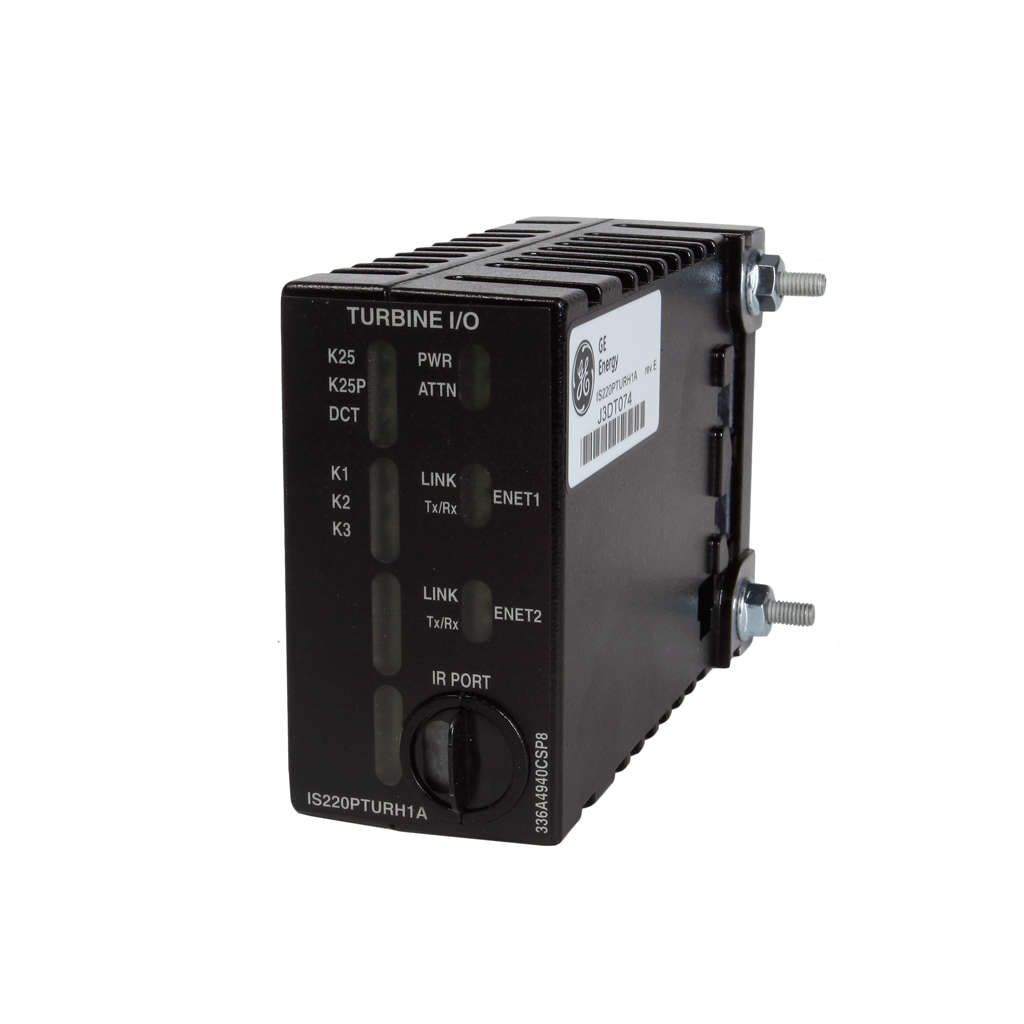
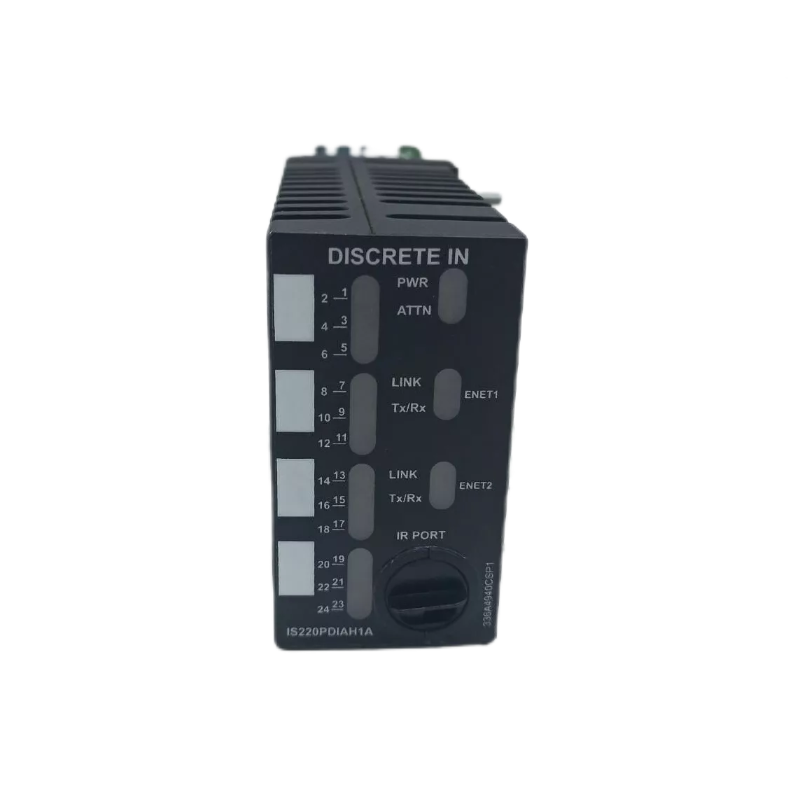
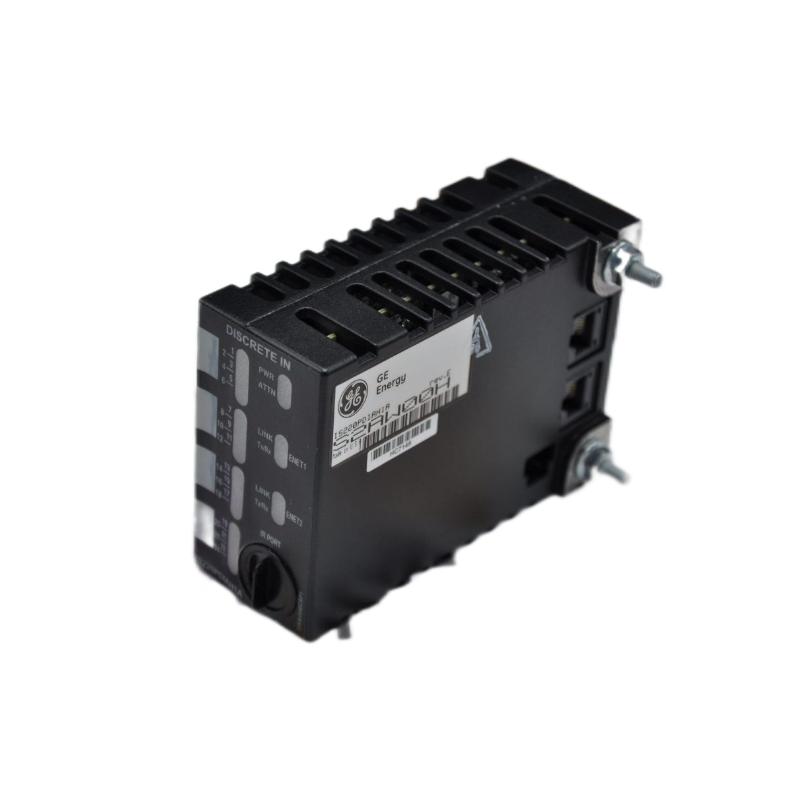
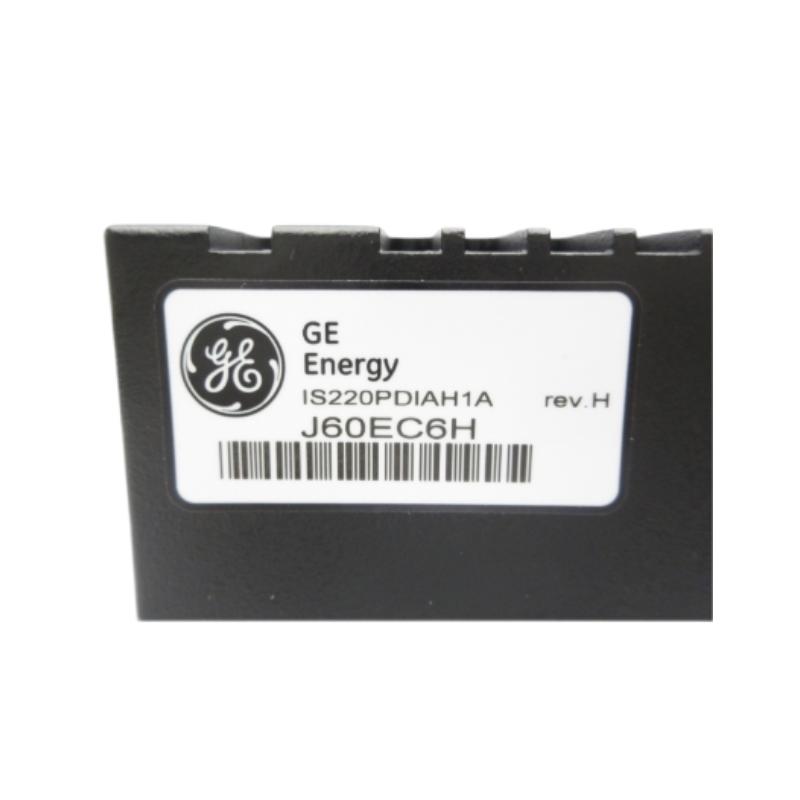
Q1: What is the primary function of the IS220PDIAH1A?
A1: It serves as a discrete input I/O pack module, interfacing field contact inputs (switches, relays, limit switches) to the control network in a Mark VIe distributed I/O architecture.
Q2: Which series does this module belong to?
A2: It belongs to the GE Mark VIe distributed I/O packs series.
Q3: What are the approximate dimensions and weight of the module?
A3: The module has approximate dimensions of 159 mm height × 178 mm width × ~50 mm depth and weighs around 0.8 kg.
Q4: What types of field inputs does it support?
A4: It supports up to 24 discrete contact input channels, typically 24 V DC or dry contact, via compatible terminal boards.
Q5: Can it operate in harsh industrial environments?
A5: Yes. It is rated for operating temperatures down to ‑40 °C and up to +70 °C (and storage up to +90 °C), with high isolation and rugged design.
Q6: What network/communication features does it have?
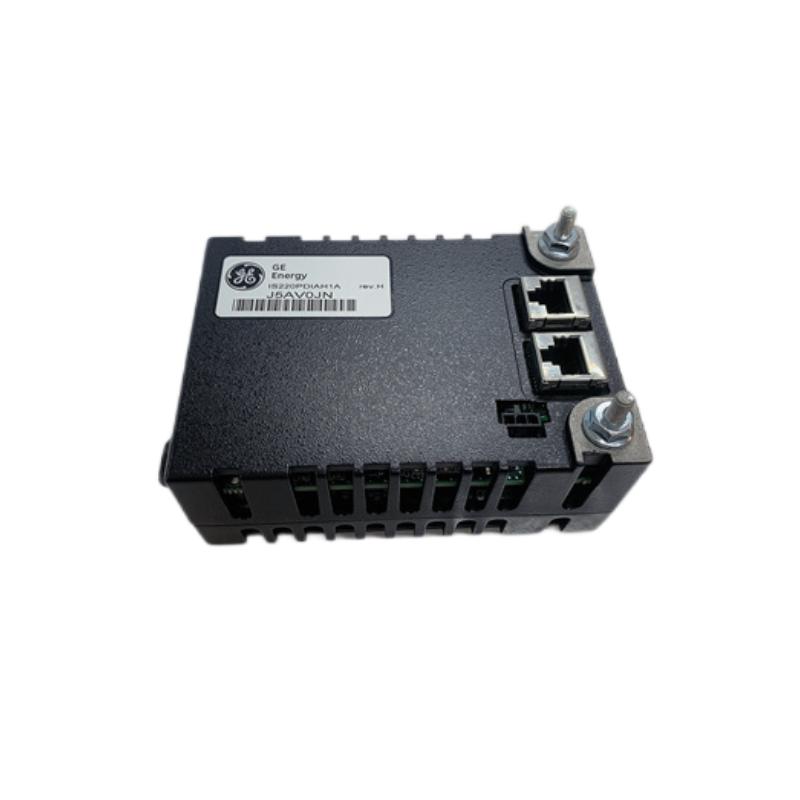
A6: It provides dual independent 10/100 Mbps Ethernet ports (RJ‑45), enabling redundant or separated communication paths.
Q7: Is the module compatible with redundant architectures?
A7: Yes. It supports simplex, dual and triple‑modular‑redundant (TMR) configurations when integrated into a Mark VIe system.
Q8: What should I check before replacing or installing this module?
A8: Confirm the exact model and revision (IS220PDIAH1A), ensure compatibility with your terminal board (TBCIH1/H2/H3, TICI, STCI series), verify network/connector layout, confirm operating environment and support spare slot.
Q9: What maintenance features or diagnostics does it include?
A9: The module has front panel LED indicators for power, link, status; an infrared serial port for local diagnostics; built‑in filtering and isolation.
Q10: Why choose this module over generic I/O packs?
A10: Because it is purpose‑built for the Mark VIe turbine/process control architecture, offers high reliability, network redundancy, high isolation and is widely supported in industry installations — making it a robust choice for critical I/O acquisition.
Related Products
Copyright @ 2026 Automations
XML|Links:
No:77501