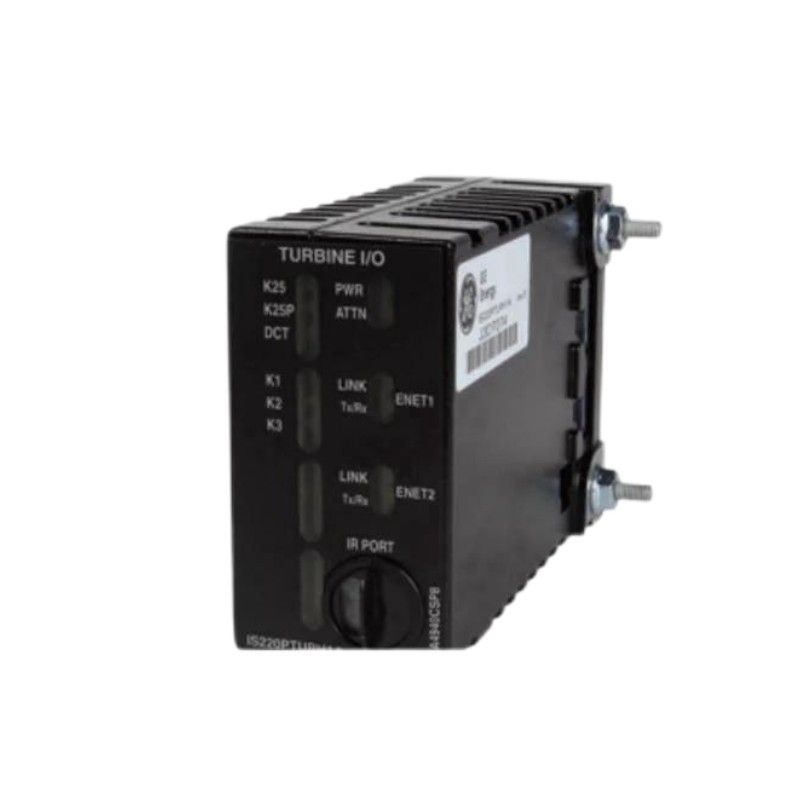
FAQ (10 Questions & Answers)
Q1: What is the primary function of the IS220PTURH1A?
A1: It serves as a turbine speed input module, capturing and processing signals from turbine speed pickups to provide precise rotational data to the control system.
Q2: How many speed input channels does it provide?
A2: The module includes three independent speed input channels that can process signals from magnetic or active speed pickups.
Q3: What is the typical power supply requirement?
A3: It operates at a nominal 28 V DC, within a range of 18 V DC to 36 V DC.
Q4: Can it operate in harsh environmental conditions?
A4: Yes, it operates reliably from –30 °C to +65 °C with humidity tolerance up to 95 % non-condensing.
Q5: What communication options are available?
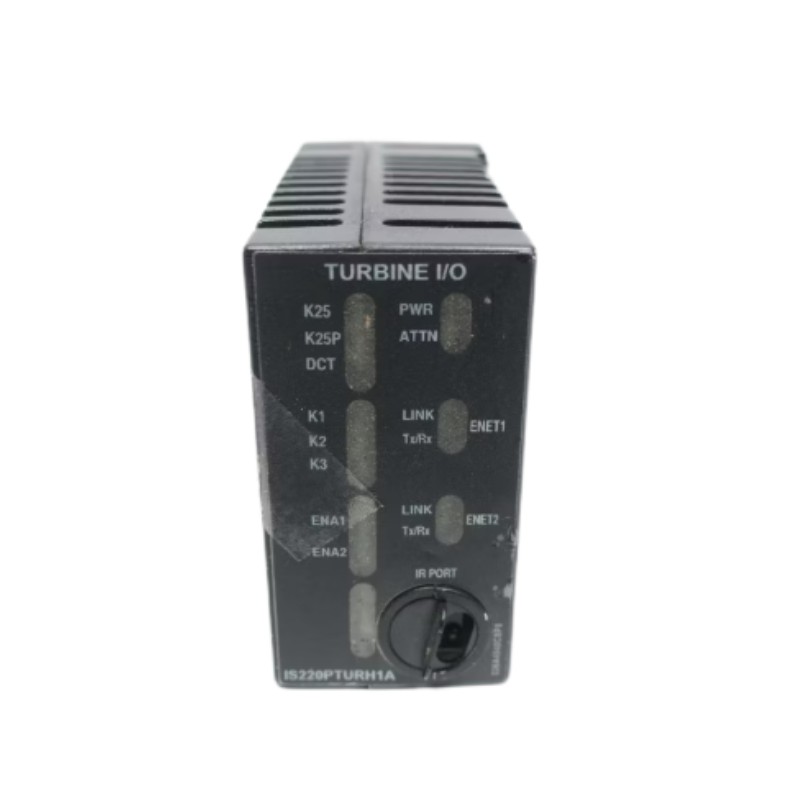
A5: It has two 10/100 Mbps Ethernet ports for redundant communication within the Mark VIe I/O network.
Q6: How does it connect to turbine terminal boards?
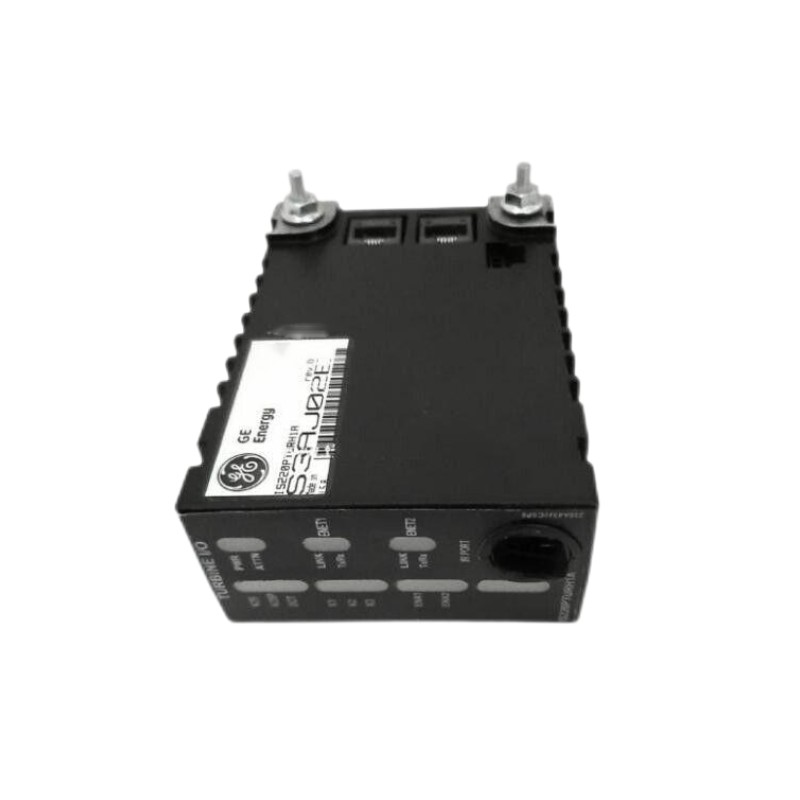
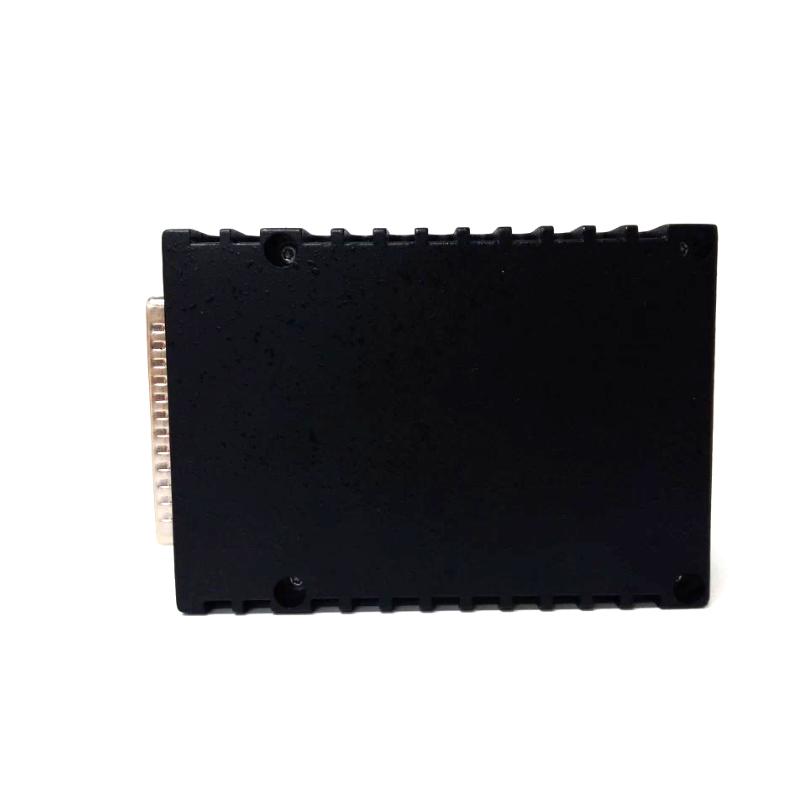
A6: The module plugs directly into compatible terminal boards (such as TRPG or TREG) through a DC-37 style connector, simplifying installation and maintenance.
Q7: Does it support self-diagnostics?
A7: Yes, the module performs continuous internal diagnostics and provides visual LED status indicators for faults, power, and communication activity.
Q8: What are its dimensions and weight?
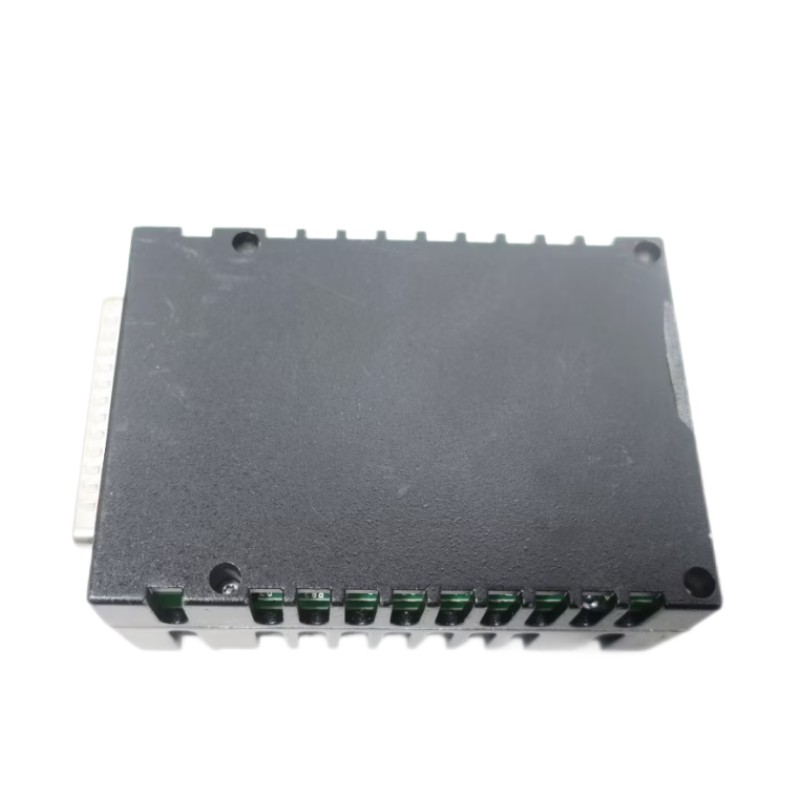
A8: The IS220PTURH1A measures approximately 165 mm × 100 mm × 35 mm and weighs about 0.68 kg.
Q9: Can it be used in redundant turbine protection systems?
A9: Absolutely—its dual network ports and compatibility with TMR architectures make it ideal for redundant safety and protection systems.
Q10: What makes this model different from a generic speed sensor module?
A10: Unlike standard speed interfaces, the IS220PTURH1A integrates advanced diagnostics, dual Ethernet communication, and system-level compatibility within Mark VIe control architectures, providing both precision and reliability.
Related Products
Copyright @ 2026 Automations
XML|Links:
No:77501