FAQ (10 Questions & Answers)
Q1: What is the primary function of the IS220PAICH1B?
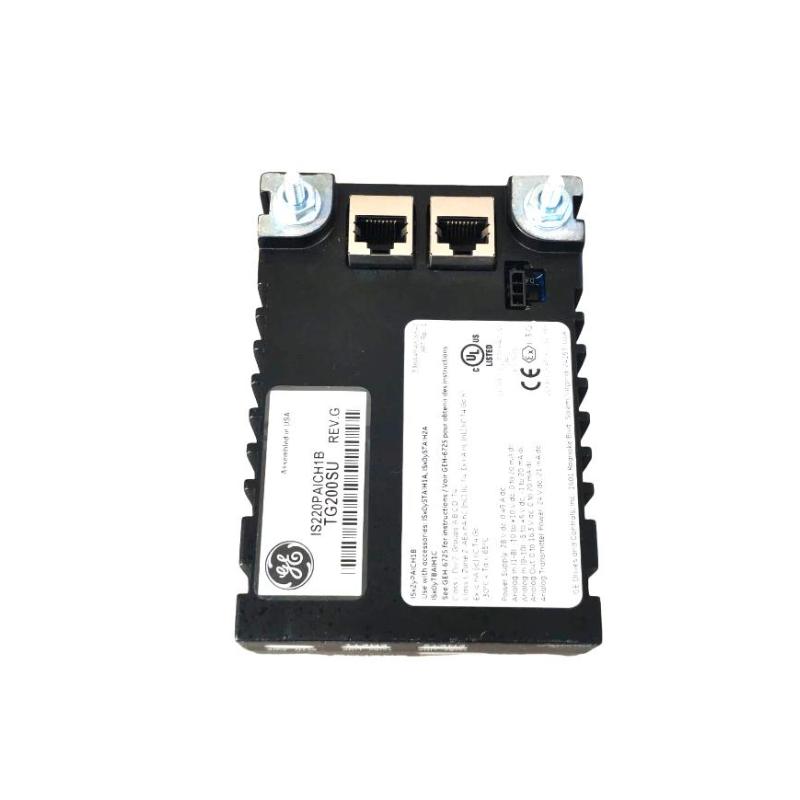
A1: It acts as an analog input/output interface module, converting field analog signals to digital form for the control system and providing analog outputs for control loops.
Q2: How many analog input channels does it support?
A2: It supports up to ten analog input channels; the first eight are configurable for voltage or current loop inputs, the last two can be set for specific current values.
Q3: Does the module provide analog outputs too?
A3: Yes—it provides two current-loop analog output channels (0-20 mA) for actuation or control purposes.
Q4: What are the physical dimensions and approximate weight?
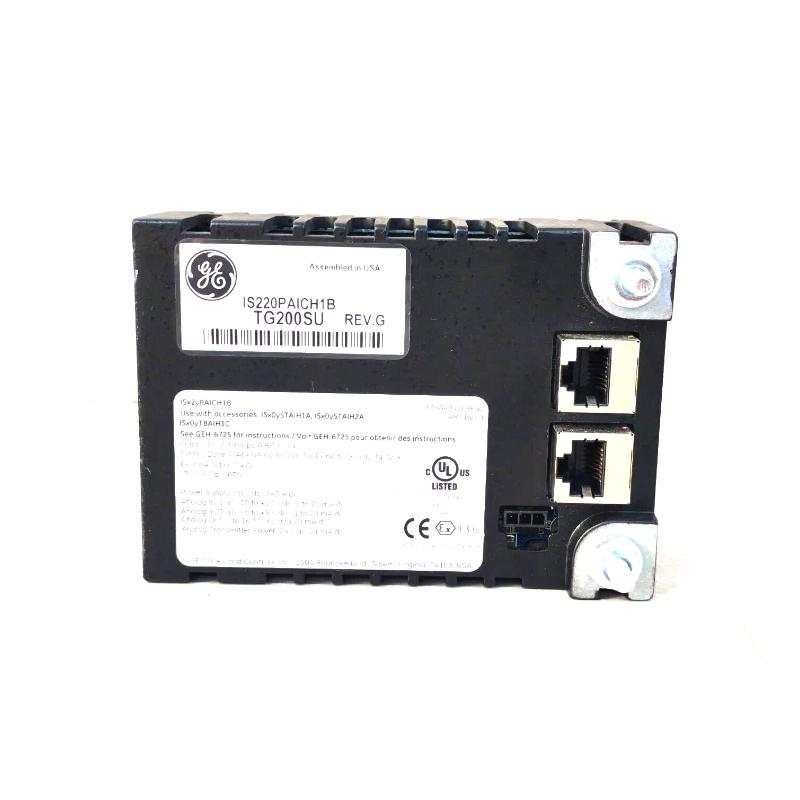
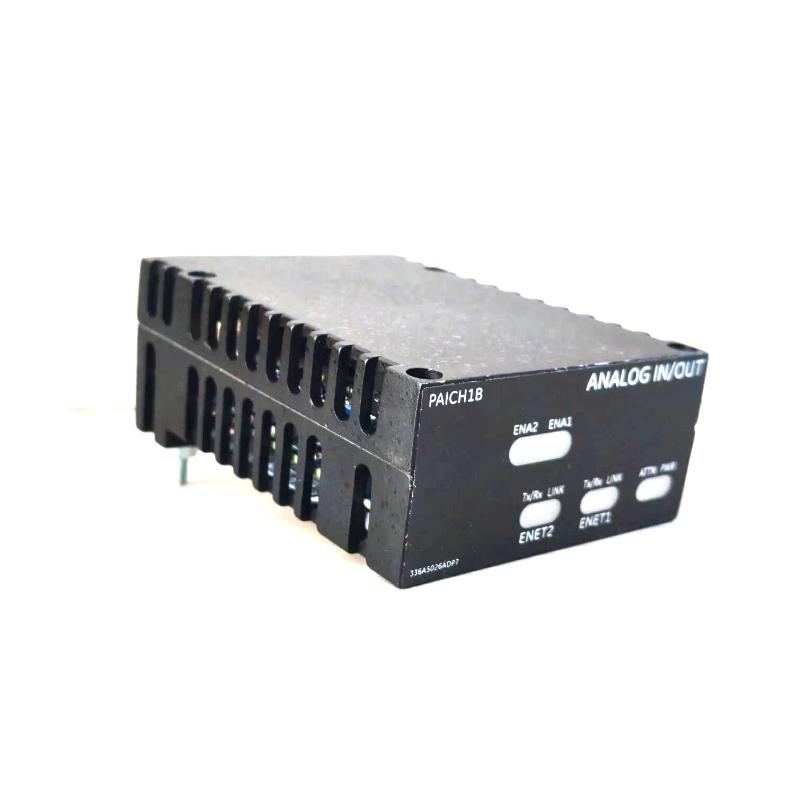
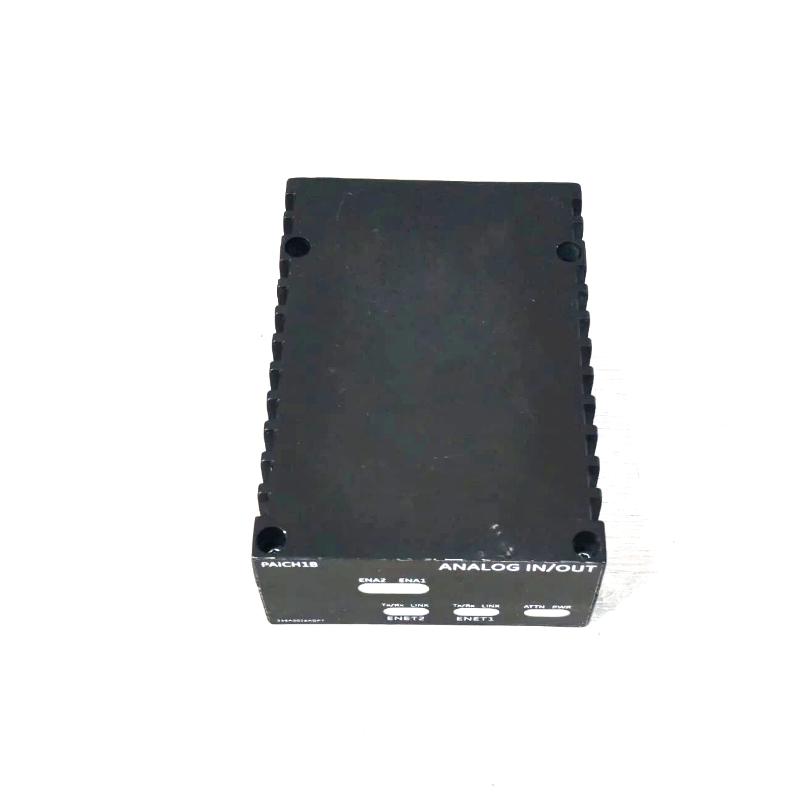
A4: The module’s approximate external size is 13.3 cm × 7.08 cm × 3.93 cm and its weight is about 1.0 kg.
Q5: What power supply does it require?
A5: Typical supply is 24 V DC (or 22.8 V DC for transmitter powering), with design appropriate for Mark VIe I/O racks.
Q6: Can the module operate in hazardous-area environments?
A6: Yes—some versions are certified for Zone 2, Group IIC hazardous locations, and the module supports demanding industrial environmental ratings.
Q7: What sorts of sensors or transducers work with this module?
A7: It supports voltage inputs (e.g., 5 V, 10 V), current loops (0-20 mA), sensors such as temperature, flow, pressure transmitters, level sensors—making it highly flexible.
Q8: Does it support network redundancy?
A8: Yes—dual RJ-45 Ethernet ports allow redundant communication paths and improved system availability.
Q9: How does this module compare to the “2A” or “2B” higher-density versions?
A9: The “1B” version is a standard analog I/O pack with ten inputs and two outputs; higher density versions offer more inputs, higher current loop outputs, or other features, often at slightly larger size or weight.
Q10: What maintenance or service considerations apply?
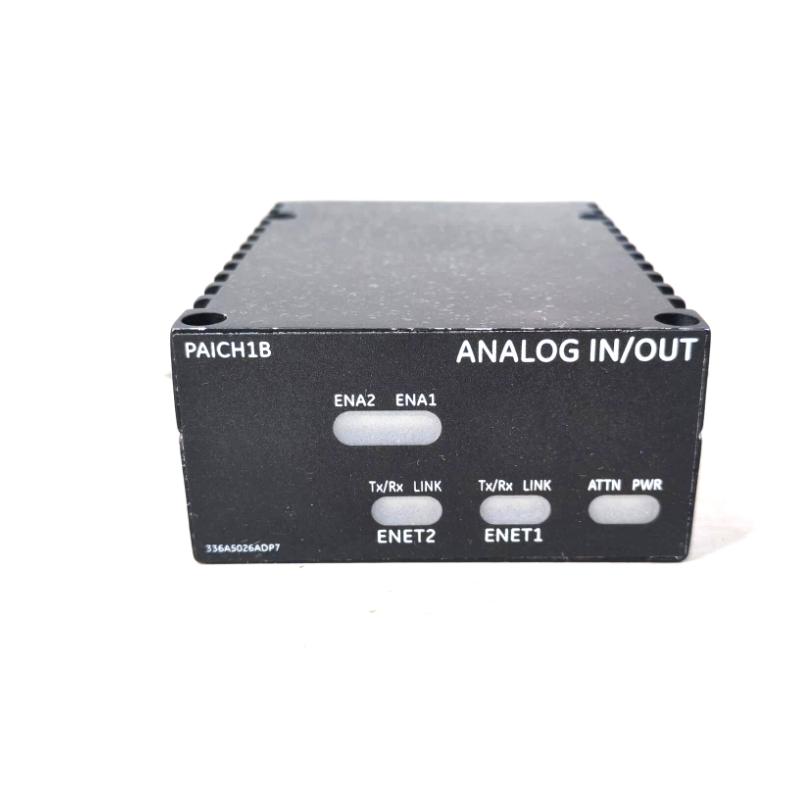
A10: Being a plug-in module, it supports field replacement; monitoring of LED indicators helps diagnostics. During module swap, follow shutdown or safe-replace procedures to maintain system integrity.
Related Products
Copyright @ 2026 Automations
XML|Links:
No:77501