FAQ (Frequently Asked Questions)
Q1: Can the IS220PDIOH1BG module be installed in a standard I/O rack without additional modifications?
A1: Yes, it is designed to plug into the Mark VIe I/O rack and backplane system. However, you must ensure that the rack environment (power bus, wiring, ventilation, terminal boards) meets the module’s requirements.
Q2: Does the module support hot-swapping?
A2: The module supports maintenance‑friendly replacement, but hot‑swapping while the system is live depends on the specific control system configuration and safety protocols. Always refer to your system’s maintenance guidelines.
Q3: Are the input and output channels electrically isolated?
A3: Yes. The module is specified to provide isolation between input channels, between output channels, and between channels and the ground/backplane, which helps prevent noise and fault propagation.
Q4: Can it be used in hazardous (explosive gas) areas?
A4: Yes. The module is certified for use in hazardous areas when installed according to the applicable standards and with approved terminal boards and wiring practices.
Q5: What environmental temperature range does the module support?
A5: The specified operating range is approximately from –30 °C to +65 °C, making it suitable for many industrial settings, including outdoor or poorly‑conditioned cabinets.
Q6: How do I diagnose a failed channel or module fault?
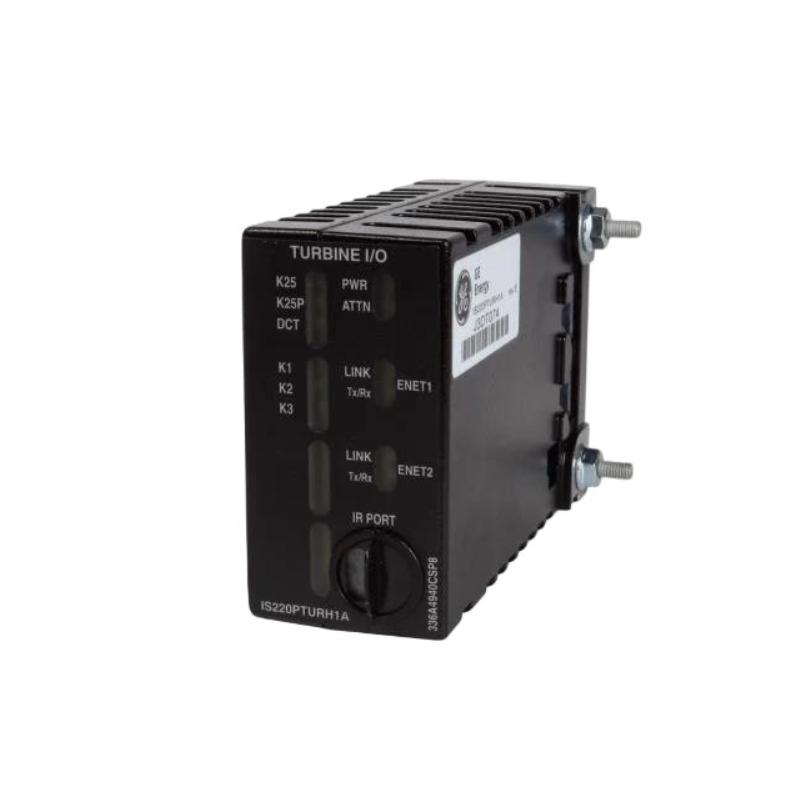
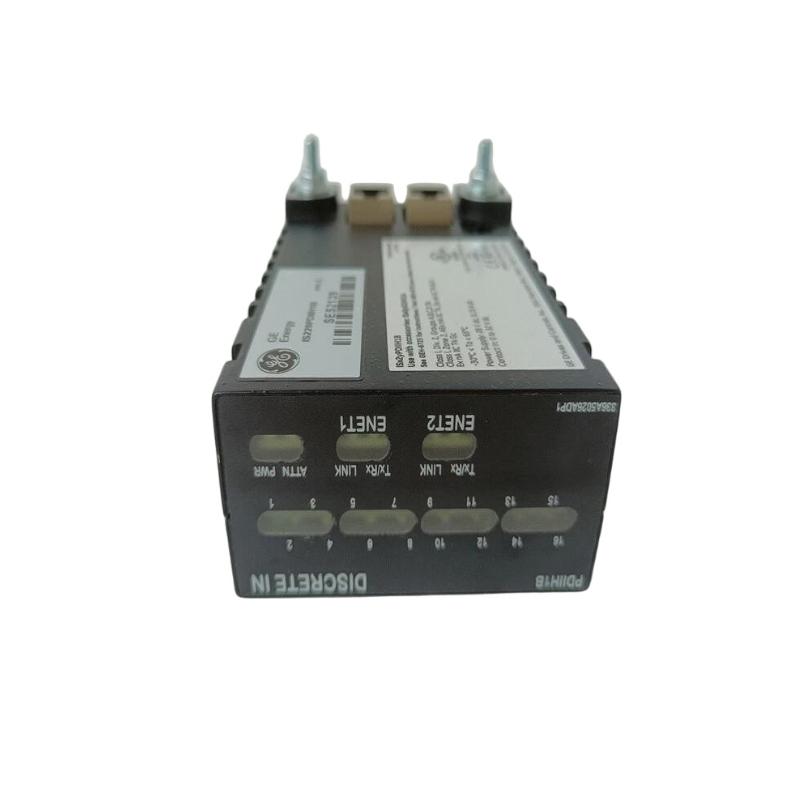
A6: Use the front‑panel status indicators (LEDs) for power, network link, attention/faults. In addition, use the diagnostics tools available in the Mark VIe system or the host control system to read error codes and isolate the fault.
Q7: Which network communication interface does the module use?
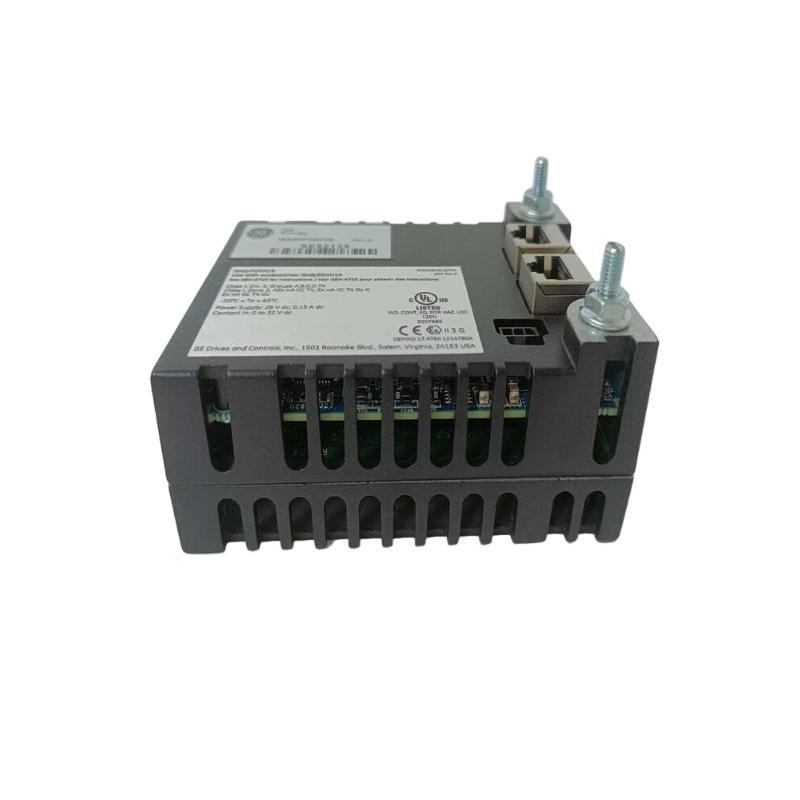
A7: It uses dual RJ‑45 Ethernet ports for IONet or Ethernet network communications. The dual ports support redundancy, improving system reliability.
Q8: What is the maximum current for each output channel?
A8: Typically each output channel can handle up to approximately 1.0 A, but actual permissible load may depend on terminal board and system wiring.
Q9: If I need more outputs, can I use a non‑combined input/output module instead of this one?
A9: Yes, but you’ll need to ensure compatibility with the rack configuration and backplane. Using separate dedicated input or output modules may increase footprint or wiring complexity compared to a combined I/O module.
Q10: What is the expected service life of the module under normal industrial use?
A10: While no module is truly “lifetime guaranteed,” the design is industrial‑grade and intended for many years of service if environmental conditions (temperature, dust, vibration, humidity) are controlled and periodic maintenance is observed.
Related Products
Copyright @ 2026 Automations
XML|Links:
No:77501