FAQ (Frequently Asked Questions)
Q1: What exactly does the IS220PVIBH1A monitor?
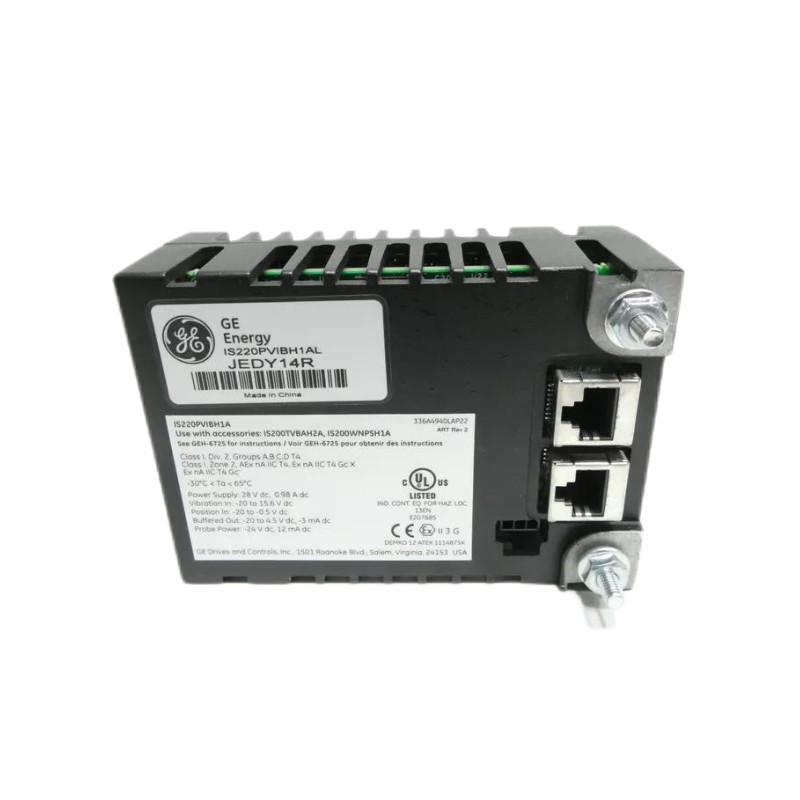
A1: It monitors vibration data (from accelerometers or velomitors) and proximity/shaft‑displacement signals (from proximity probes) on rotating machinery, converting those sensor signals into data for the control system.
Q2: How many sensor channels are supported?
A2: This module supports 13 independent channels for vibration and proximity monitoring.
Q3: What temperature range can it operate in?
A3: It is rated for ambient operation from approximately –30 °C up to +65 °C, suitable for industrial conditions.
Q4: What are the physical size and weight of the module?
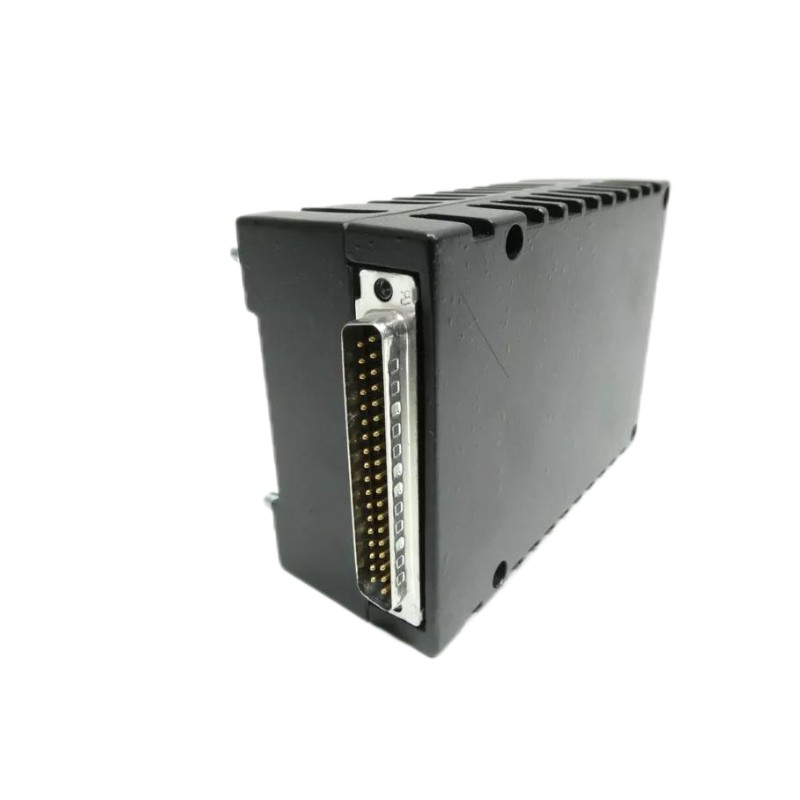
A4: The dimensions are roughly 8.26 cm (height) × 4.19 cm (width) × 12.1 cm (depth) and the weight is about 0.38 kg.
Q5: What kind of network connectivity does it have?
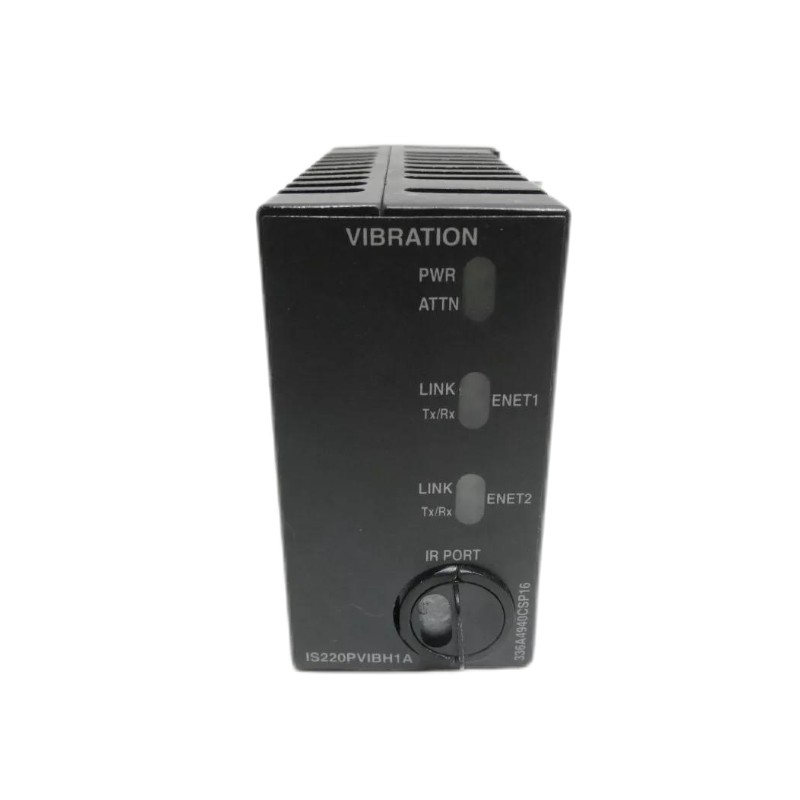
A5: It uses dual Ethernet ports in a redundant configuration, allowing data to flow reliably into the control system even if one network path fails.
Q6: What sensor types can be used with it?
A6: The module supports accelerometers, velomitors, proximity probes and other vibration/displacement sensors appropriate for rotating machinery health monitoring.
Q7: Is the module suitable for hazardous or explosive areas?
A7: Yes, when installed with the correct accessory terminal board (e.g., vibration terminal board) and according to the approved configuration, the module is suitable for such environments.
Q8: How does it help reduce maintenance and downtime?
A8: By providing real‑time vibration and displacement data, the module enables early fault detection (bearing wear, imbalance, misalignment), allowing preventive maintenance rather than reactive repairs, thus reducing unplanned downtime.
Q9: Can this module be replaced easily if it fails?
A9: Yes, the pack‑module design allows replacement in the I/O rack; front‑panel status LEDs help identify fault conditions quickly, aiding maintenance response.
Q10: Why choose this module over simpler monitoring devices?
A10: Because it integrates into the Mark VIe control system architecture, supports many channels, offers redundancy, industrial durability and advanced processing – it is designed for mission‑critical rotating equipment monitoring, not just basic vibration sensing.
Related Products
Copyright @ 2026 Automations
XML|Links:
No:77501