FAQ (Frequently Asked Questions)
Q1: What is the primary role of the IS220YSILS1B module?
A1: Its primary role is to serve as a core safety protection I/O pack within heavy industrial control systems—monitoring safety‑related signals, executing protective logic, and interfacing with sensors/actuators critical to safety functions.
Q2: Can this module be used just like a standard I/O pack for non‑safety signals?
A2: While technically it can interface I/O signals, the module is specifically designed for safety‑critical functions; using it for non‑safety signals may under‑utilize its capabilities and may not be cost‑effective.
Q3: What environments is it suited for in terms of ambient temperature?
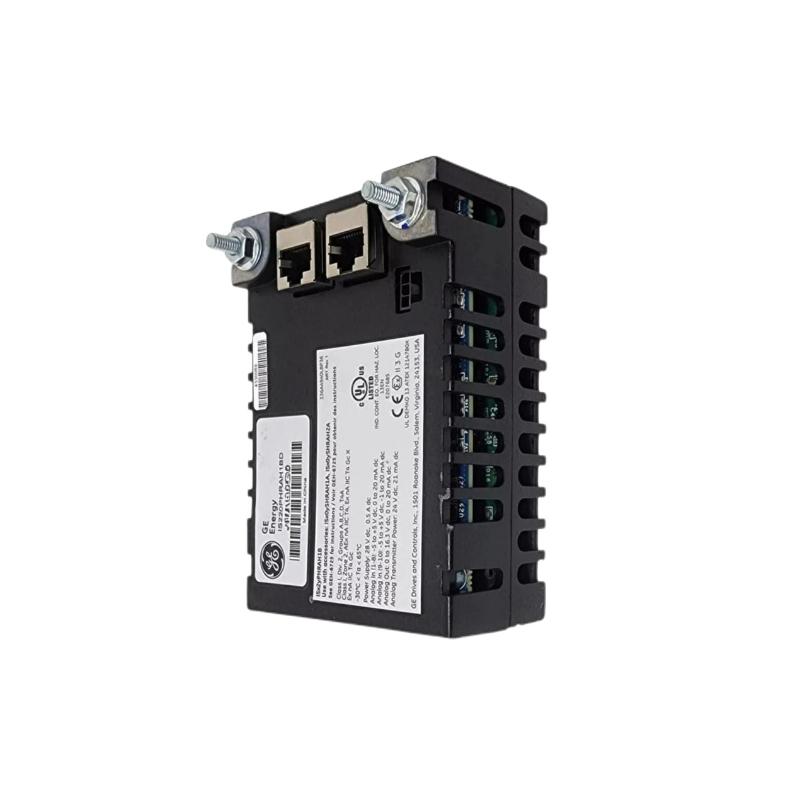
A3: It is rated for an ambient operating temperature from about ‑30 °C up to +65 °C, making it suitable for typical industrial environments including some harsher ambient cabinets.
Q4: What physical size and weight should we expect for this module?
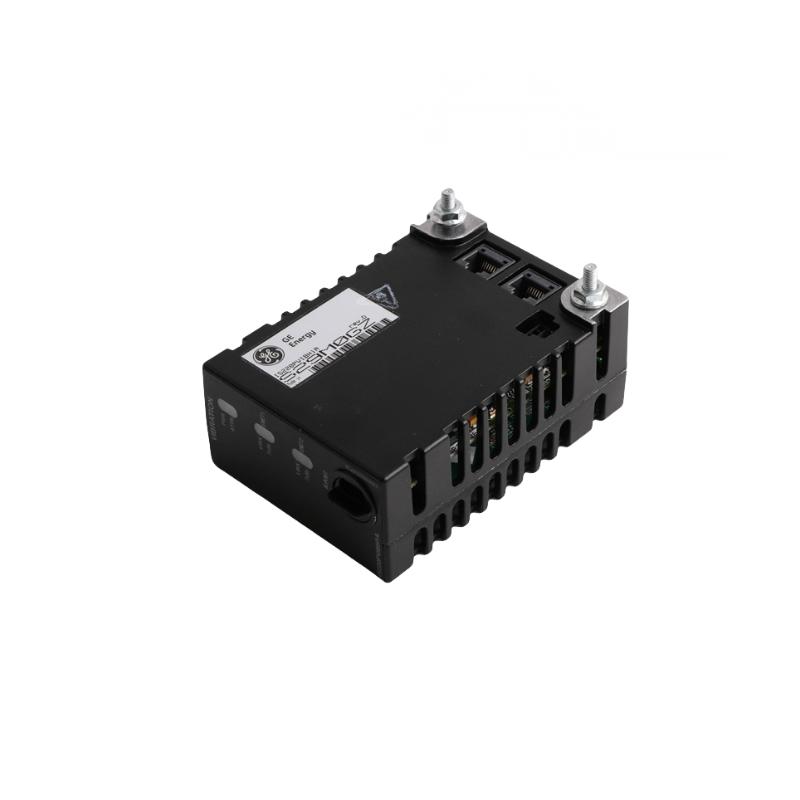
A4: The module has approximate dimensions of 16 × 16 × 12 cm and a weight around 1 kg, allowing easy installation in standard I/O rack frames.
Q5: Does the module support diagnostics and fault indication?
A5: Yes—it includes diagnostic LEDs and supports fault monitoring and reporting, which supports maintenance teams in identifying issues quickly and reducing downtime.
Q6: Is the module compatible with the rest of the Mark VIe/VIeS system?
A6: Yes. The module is part of the Mark VIeS I/O pack family and is built for seamless integration with the Mark VIe/VIeS control‑system architecture, including racks, backplanes, and associated terminal boards.
Q7: What kind of isolation performance does the module offer?
A7: It offers high insulation resistance (>100 MΩ at 500 VDC) and withstand voltages (up to 1500 V AC for 1 minute between input/output) which help safeguard signal integrity and system reliability.
Q8: Can the module be installed in hazardous (explosive‑gas) areas?
A8: While the module is rugged and built for industrial use, installation in hazardous areas should be verified against certified accessories and system requirements. The “safety” I/O pack role suggests higher reliability, but compliance still depends on the full installation.
Q9: What happens if a channel on the module fails or detects a fault?
A9: The module uses diagnostic indicators and communicates fault codes to the control system. Maintenance personnel can then inspect the LED status, review system logs, isolate wiring/terminal board issues, and replace the module if needed.
Q10: Why choose this module over a standard I/O pack?
A10: Because this module is specially designed for core protection/safety functions, it offers higher reliability, better diagnostics, greater isolation, and ruggedness—making it ideal for applications where safety, availability, and uptime are critical rather than just normal process control.
Related Products
Copyright @ 2026 Automations
XML|Links:
No:77501