Frequently Asked Questions (FAQ)
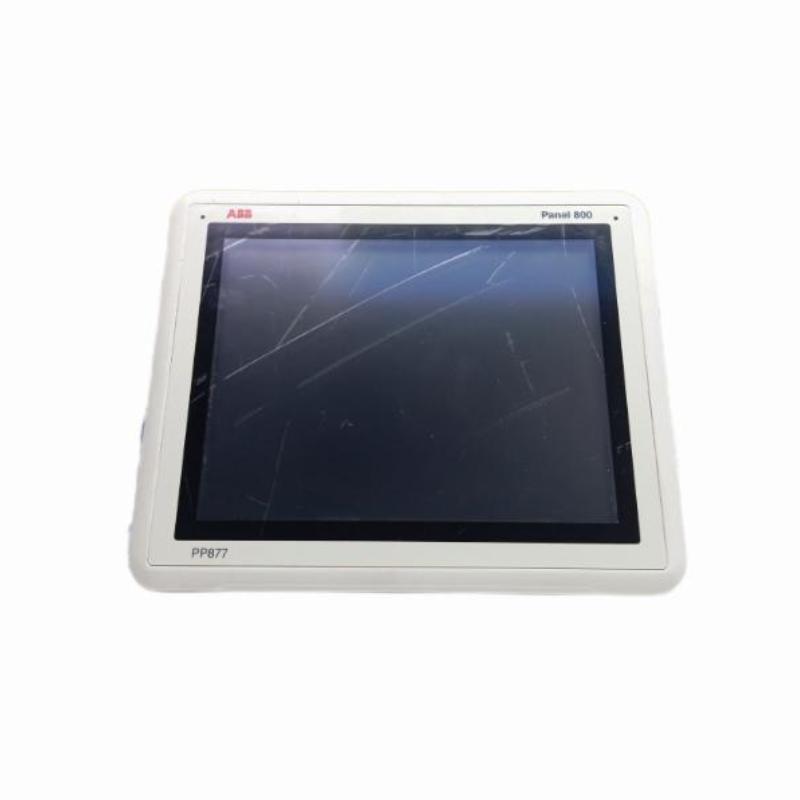
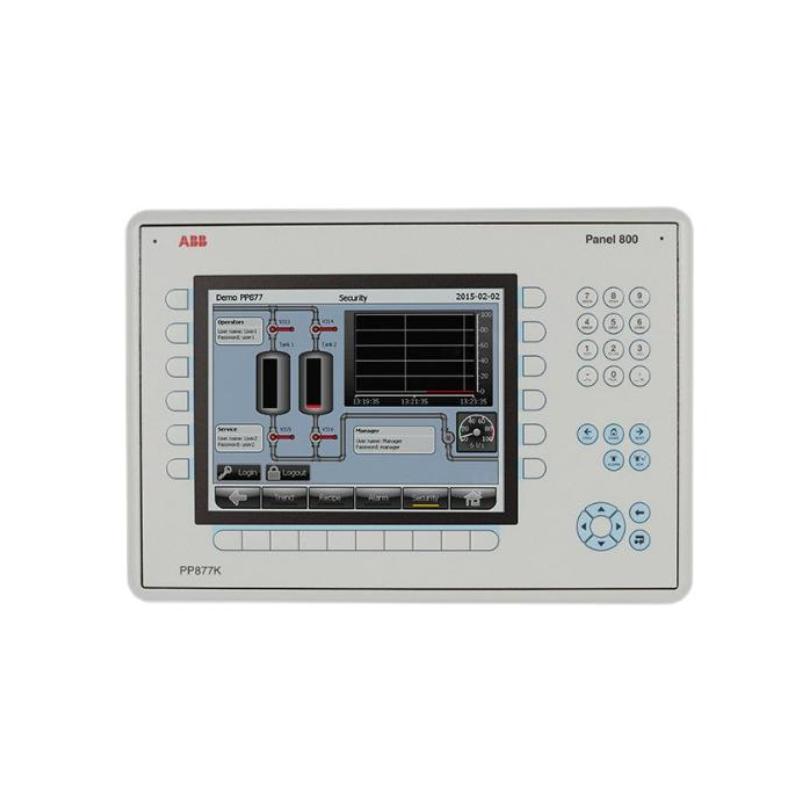
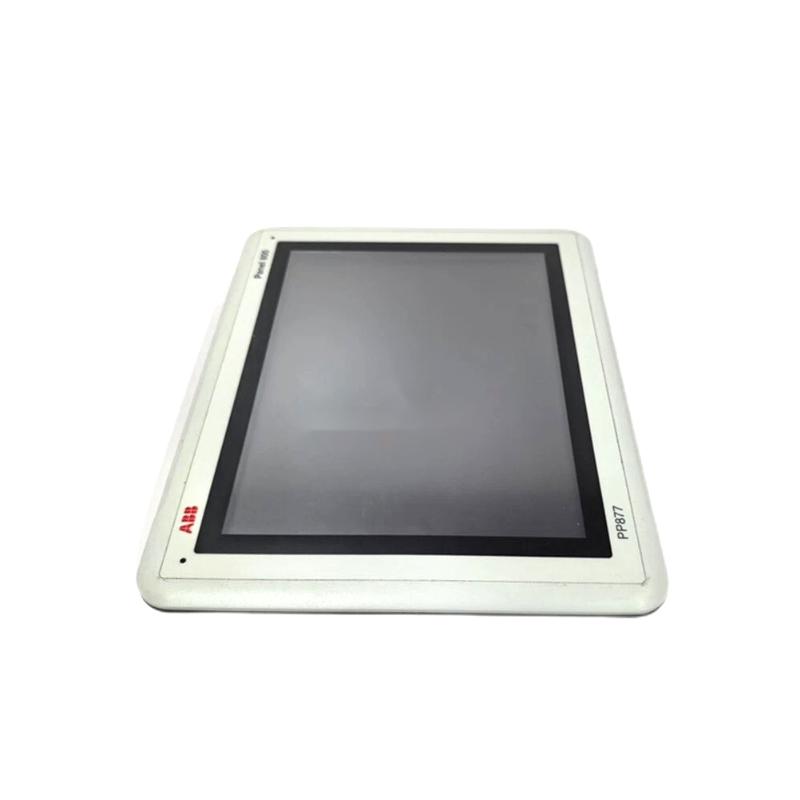
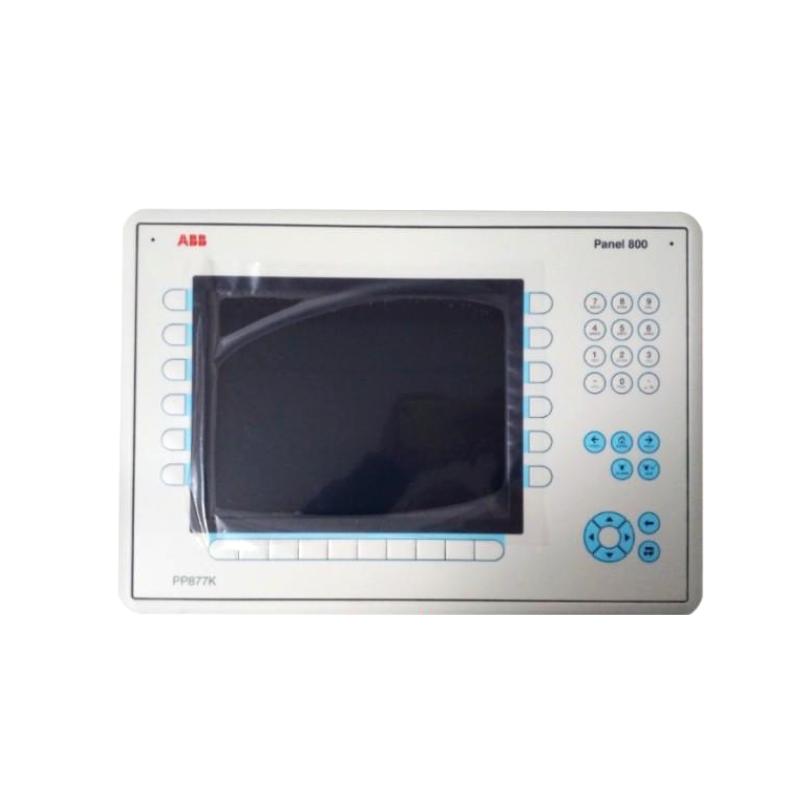
Q1: What is the primary function of the ABB PP877?
A1: The ABB PP877 is used for high-performance control and automation in various industrial applications. It regulates processes in systems like manufacturing, energy management, HVAC, and more.
Q2: How does the ABB PP877 integrate into existing automation systems?
A2: The PP877 can be integrated into existing systems via its standard communication interfaces, including RS-485, Modbus, and Profibus, ensuring seamless connectivity with other devices.
Q3: What is the maximum current capacity of the ABB PP877?
A3: The ABB PP877 supports a maximum current rating of 15 A.
Q4: Is the ABB PP877 suitable for outdoor installation?
A4: Yes, the PP877 has an IP65 environmental rating, which makes it suitable for outdoor installation in environments where exposure to dust and water is common.
Q5: Can the ABB PP877 be used in high-temperature environments?
A5: The operating temperature range of the ABB PP877 is -10°C to +50°C, and it can withstand temperatures as high as +85°C during storage, making it suitable for most industrial environments.
Q6: How is the ABB PP877 mounted?
A6: The ABB PP877 is designed for easy installation on a DIN rail, allowing for quick and secure mounting in control panels or other equipment.
Q7: What are the key advantages of using the ABB PP877?
A7: The key advantages include high precision, durability, energy efficiency, and compatibility with a wide range of industrial automation systems.
Q8: Does the ABB PP877 come with customizable settings?
A8: Yes, the ABB PP877 allows for customization through its communication interfaces, making it flexible enough to adapt to various industrial process requirements.
Q9: What is the weight of the ABB PP877?
A9: The weight of the ABB PP877 is approximately 1.2 kg, which makes it easy to handle and install in industrial settings.
Q10: How can I ensure the long-term reliability of the ABB PP877?
A10: To ensure reliability, it is recommended to install the PP877 in a controlled environment within its specified temperature and humidity range and to follow maintenance procedures provided by the manufacturer.
Related Products
Copyright @ 2026 Automations
XML|Links:
No:77501