FAQ (10 QA)
Q1: What is the primary function of the SDCS‑FEX‑2A board?
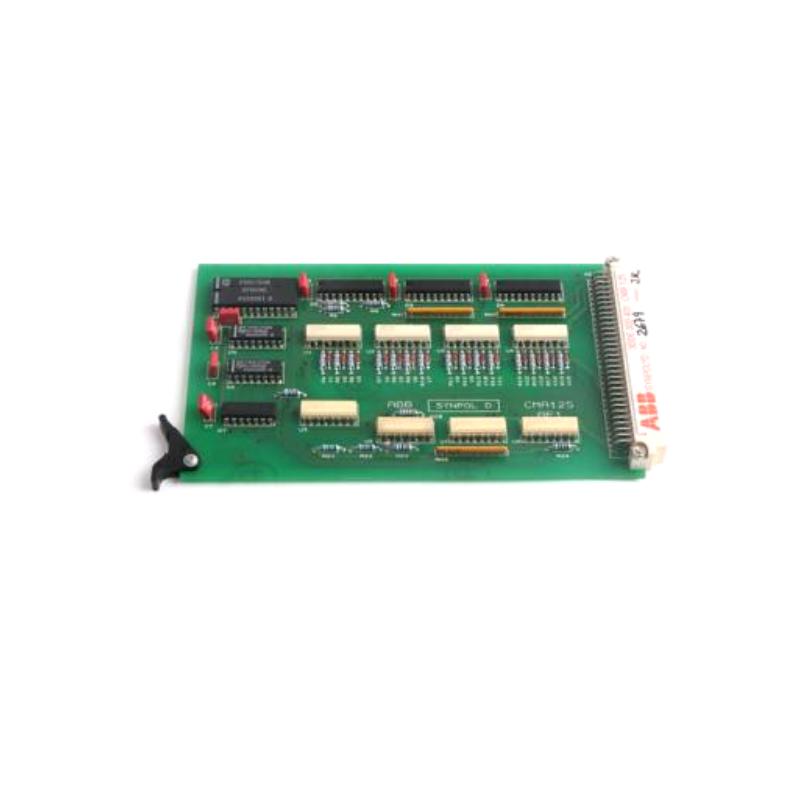
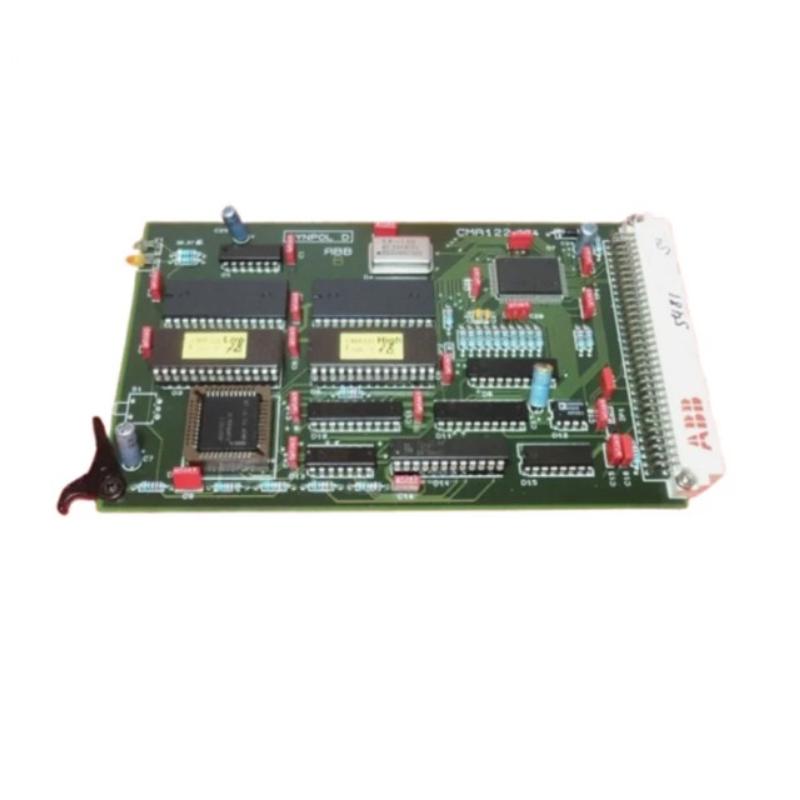
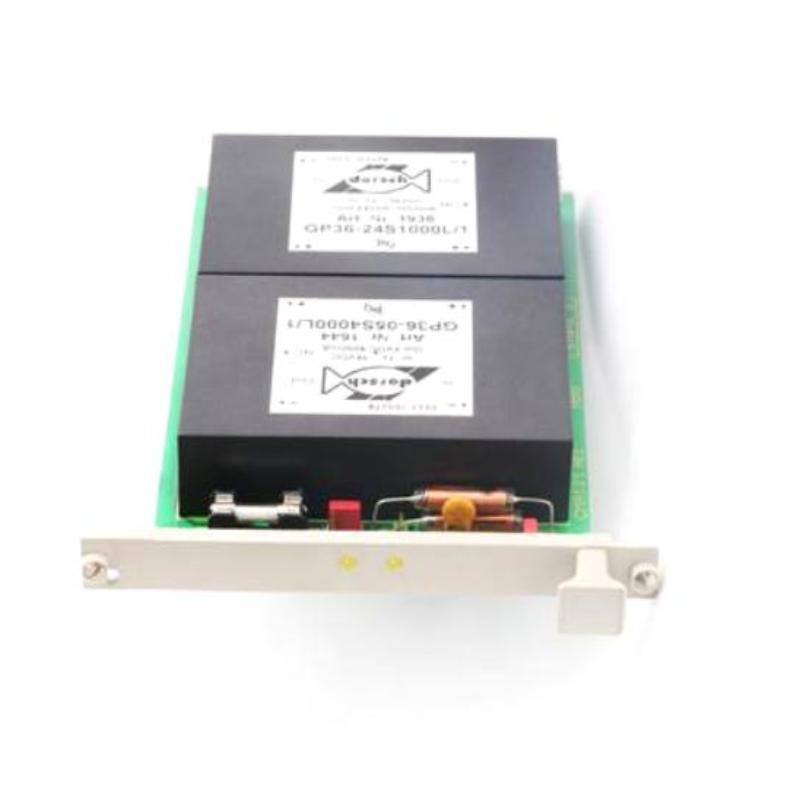
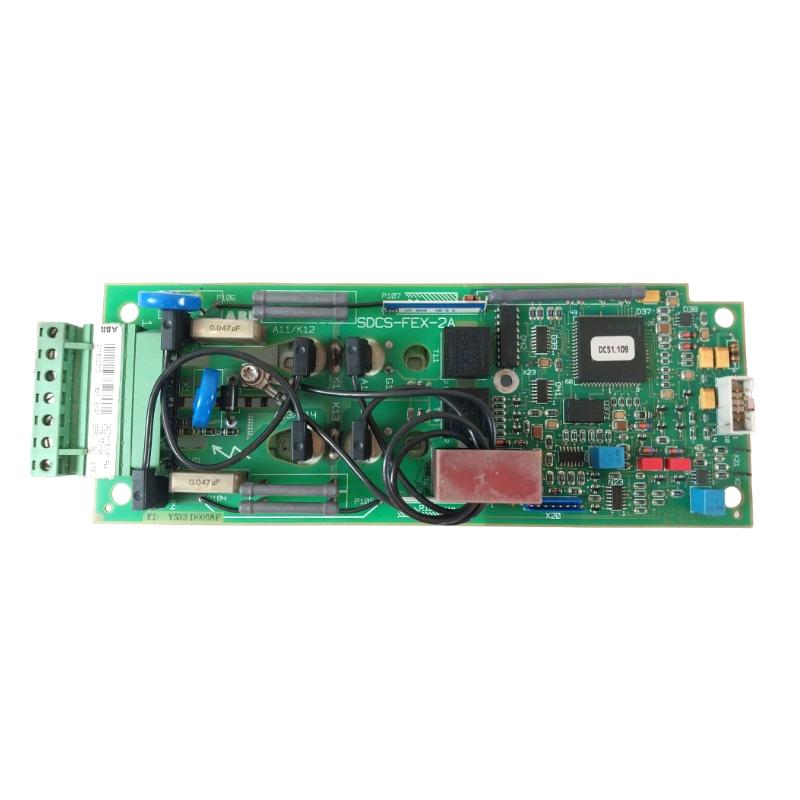
A1: It serves as a field‑excitation or auxiliary power supply module, regulating field current or auxiliary board power within a drive rack.
Q2: What voltage supply does the board typically expect?
A2: A nominal input of ~220 V AC is listed, with switching output and control logic support.
Q3: What are the approximate dimensions and weight?
A3: Dimensions around ~95 mm × 63 mm × 241 mm and weight roughly ~0.30–0.40 kg.
Q4: What types of applications is this board used in?
A4: Industrial drive systems, synchronous motor excitation, auxiliary provisions in drive racks, retrofits in mining, steel or marine sectors.
Q5: How does it support system maintenance?
A5: Its modular plug‑in design enables quick replacement, reduces downtime and simplifies spare‑parts management.
Q6: Does it operate in harsh environments?
A6: Yes — it supports operating temperatures up to +70 °C and humidity up to 95% (non‑condensing).
Q7: What advantage does the “2A” variant provide?
A7: The “2A” variant supports higher current or more demanding field‑excitation loads compared to earlier FEX‑1 or FEX‑2 models, enabling system upgrade potential.
Q8: Can it be integrated into older drive systems?
A8: Yes — if the system supports the modular specification and required field‑excitation current, it can serve as an upgrade or replacement board.
Q9: How does it improve overall drive system performance?
A9: By supplying stable excitation or auxiliary power, it improves motor stability, reduces transient effects, enhances uptime and simplifies maintenance.
Q10: What series does this module belong to and why is that important?
A10: It belongs to the DCS Field‑Excitation / Auxiliary Module series, ensuring compatibility with ABB’s modular drive architecture and simplifying integration with other COM, CON, POW boards.
Related Products
Copyright @ 2026 Automations
XML|Links:
No:77501