FAQ (Frequently Asked Questions)
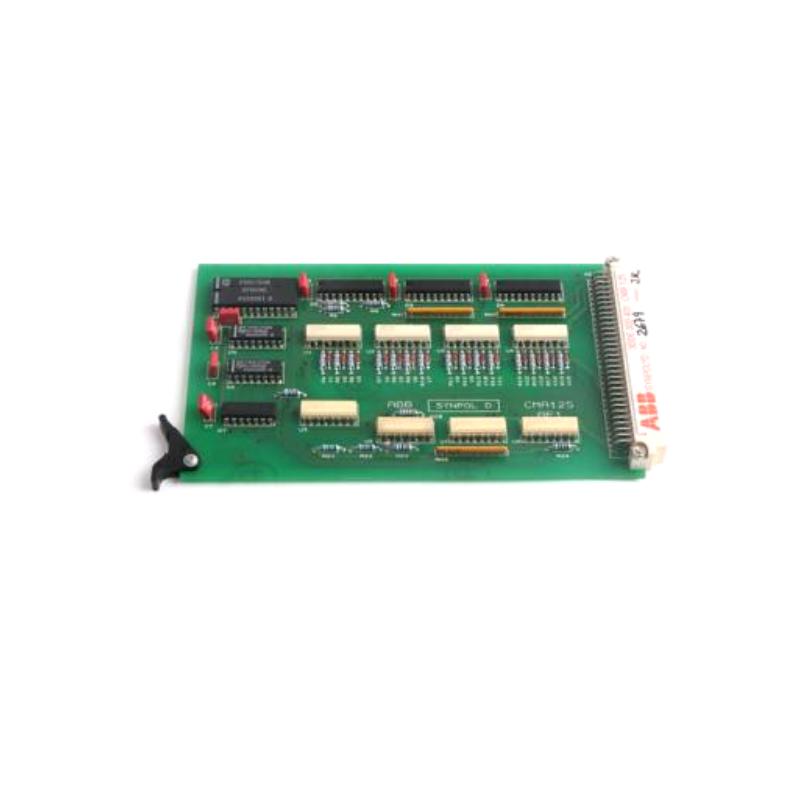
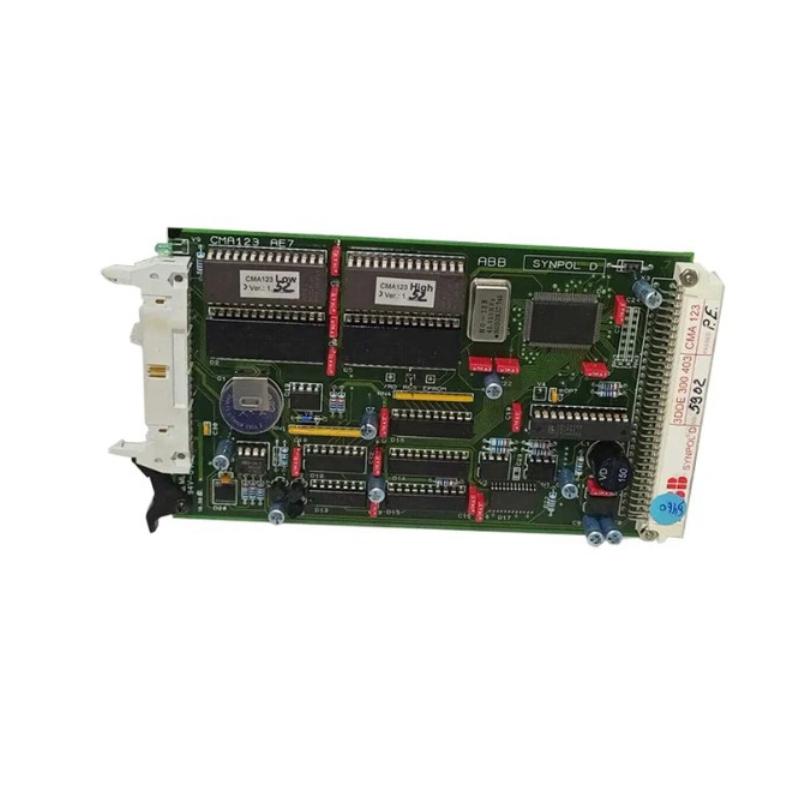
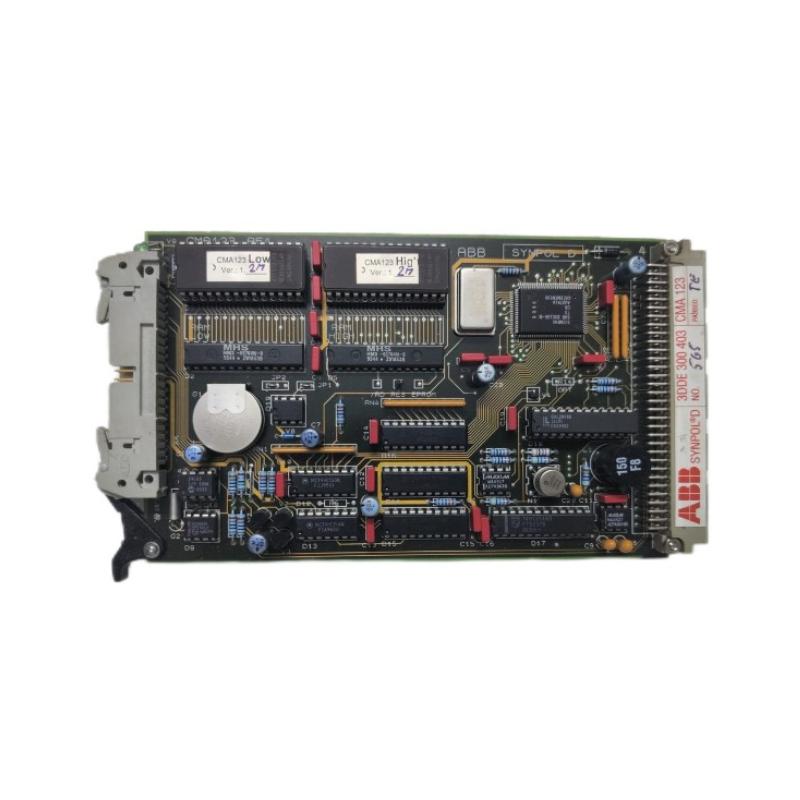
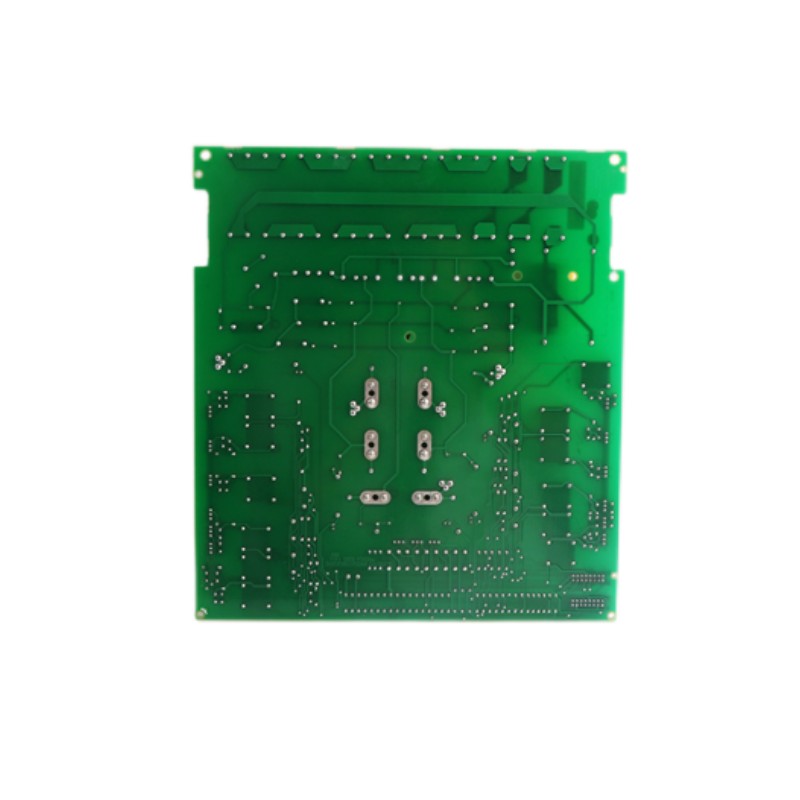
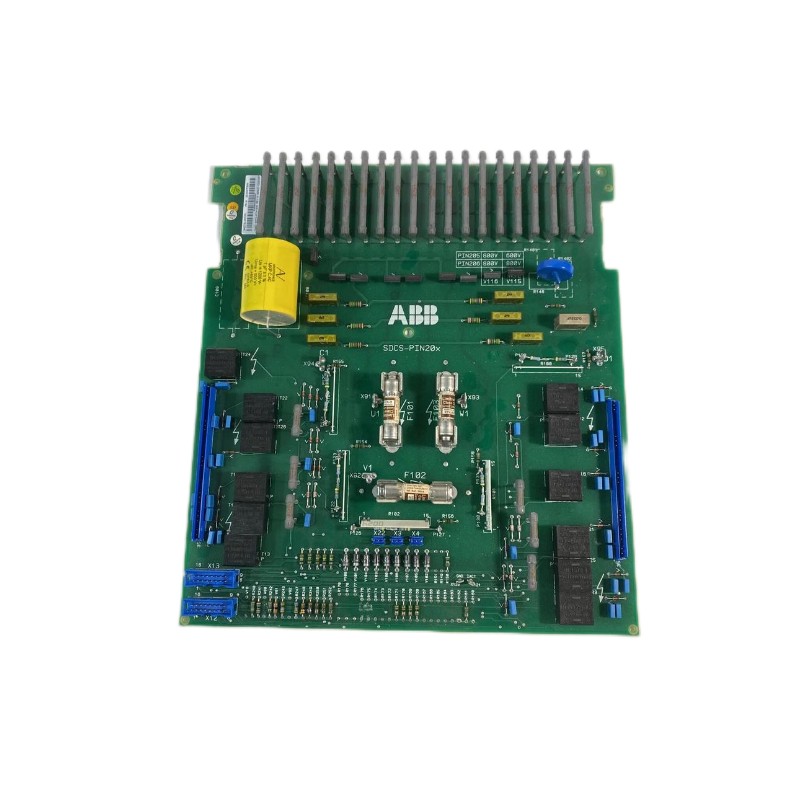
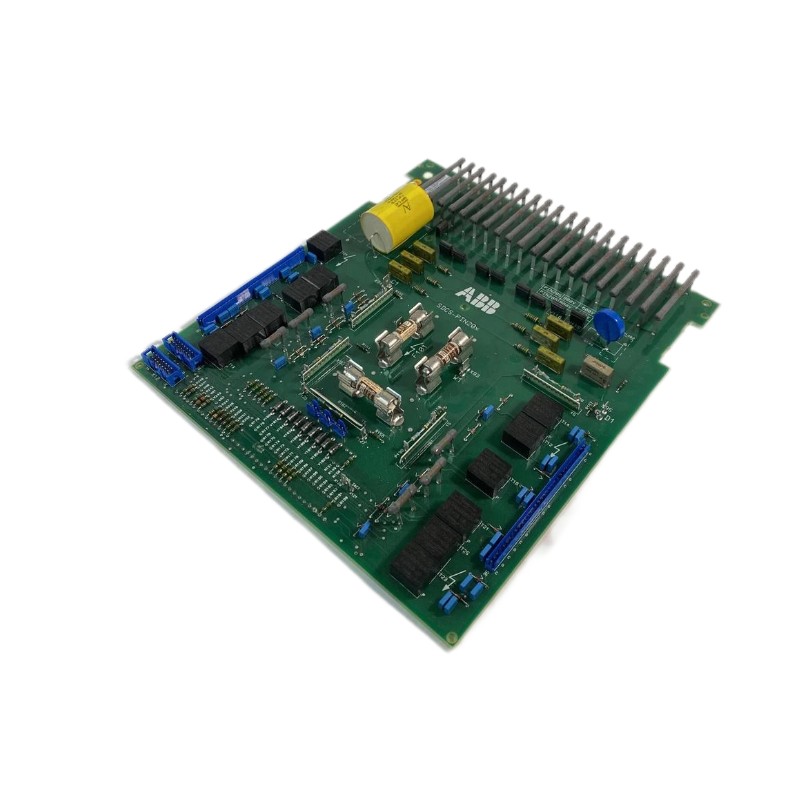
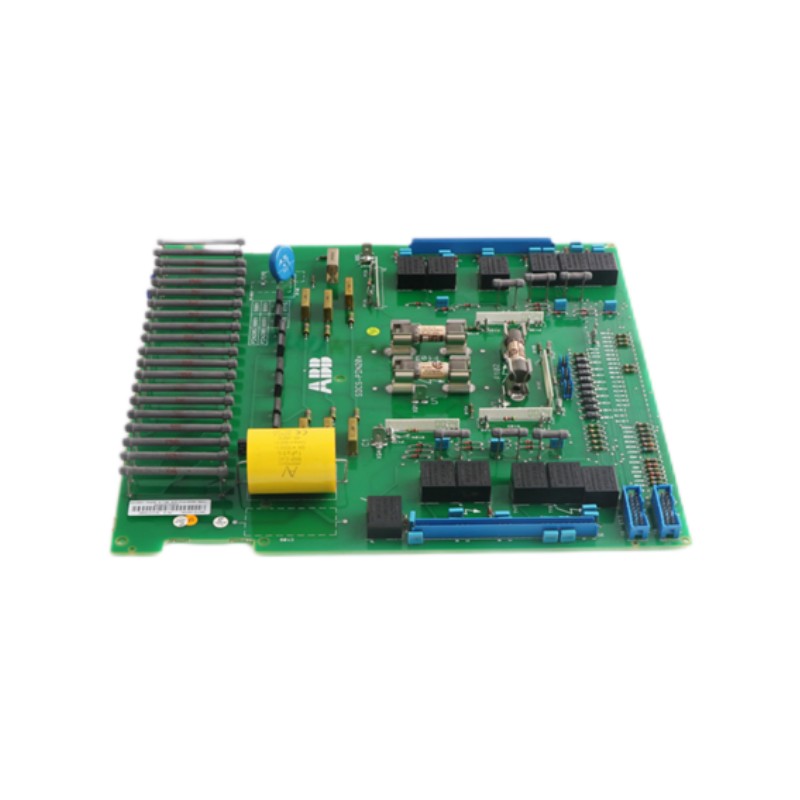
Q1: What is the primary role of the SDCS‑PIN‑205C board?
A1: It functions as the interface board between high‑power drive converter modules and control electronics, handling measurement, snubber networks and signal routing.
Q2: What are the approximate dimensions and weight of this board?
A2: Dimensions are approximately 160 mm × 120 mm × 80 mm and weight about 1.06 kg.
Q3: Which current/voltage range is this board compatible with?
A3: It is designed for high‑current converter modules (industrial drive applications) within the modular DCS architecture.
Q4: What temperature range can it operate in?
A4: Typically –10 °C to +55 °C for operation; storage up to –40 °C to +70 °C.
Q5: Can this board be used as a spare part for drive systems?
A5: Yes – because it is a standard interface board, it can be stocked as a service spare to enable fast replacement.
Q6: How does using this board reduce downtime?
A6: Modular replacement means you swap the interface board rather than the entire converter assembly, significantly reducing repair time.
Q7: Is this board suitable for retrofit installations?
A7: Yes – for existing modular drive systems, it is designed to be compatible and support upgrade/maintenance activities.
Q8: Why is the board heavier than typical I/O modules?
A8: Because it handles high‑power interface tasks, including snubbers, measurement circuits and heavy copper traces—hence greater mass.
Q9: What are the advantages of a standardized interface board like the 205C?
A9: Simplifies inventory, installation, serviceability and enables consistent performance across multiple drive installations.
Q10: What mounting method is typical for this board?
A10: It is installed in a drive cabinet modular slot or board rail mounting; proper interface to converter and control modules is required.
Related Products
Copyright @ 2026 Automations
XML|Links:
No:77501