FAQ (Frequently Asked Questions)
Q1: What is the difference between the 5 mm and 8 mm probes?
A1: The primary difference is the diameter: the 5 mm version is suited for tighter spaces, while the 8 mm version offers greater sensitivity and measurement range.
Q2: What types of machinery is this probe suitable for?
A2: The probe is suitable for rotating machinery such as turbines, motors, compressors, and pumps in industrial applications requiring vibration monitoring.
Q3: What is the maximum vibration that the probe can measure?
A3: The probe can measure a maximum vibration of 100 mils (2.54 mm), which is sufficient for most industrial machinery.
Q4: How does the Bently Nevada 21504-000-008-10-02 probe work?
A4: The probe uses eddy current technology to detect changes in the position and vibration of rotating machinery components, providing accurate data on their condition.
Q5: What temperature range can the probe operate in?
A5: The probe operates within a wide temperature range of -40°C to +120°C, making it suitable for harsh industrial environments.
Q6: Is the probe compatible with other Bently Nevada systems?
A6: Yes, the 21504-000-008-10-02 probe is fully compatible with the Bently Nevada 7200 series vibration monitoring systems.
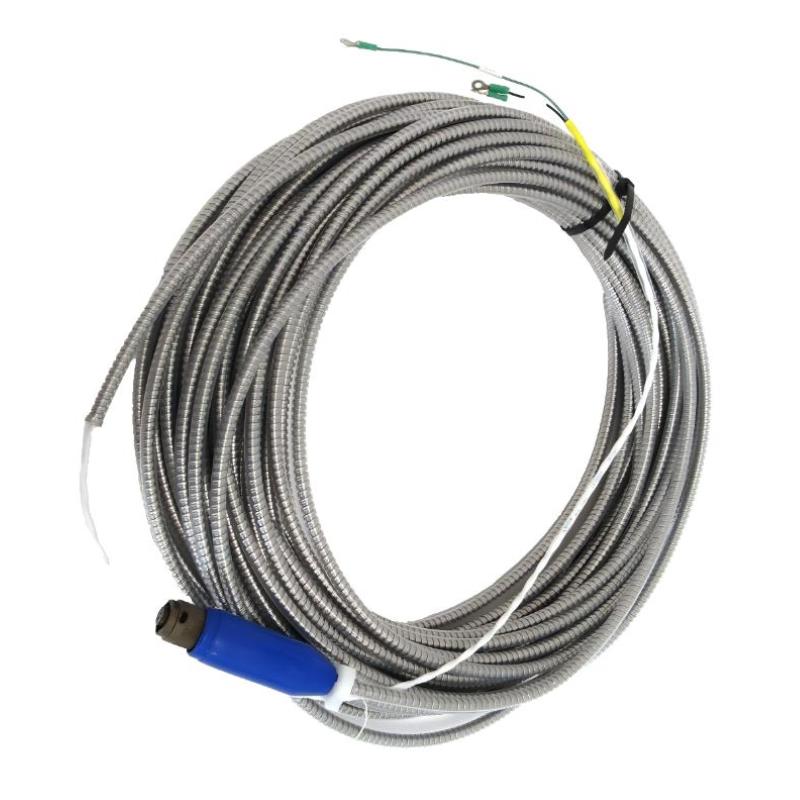
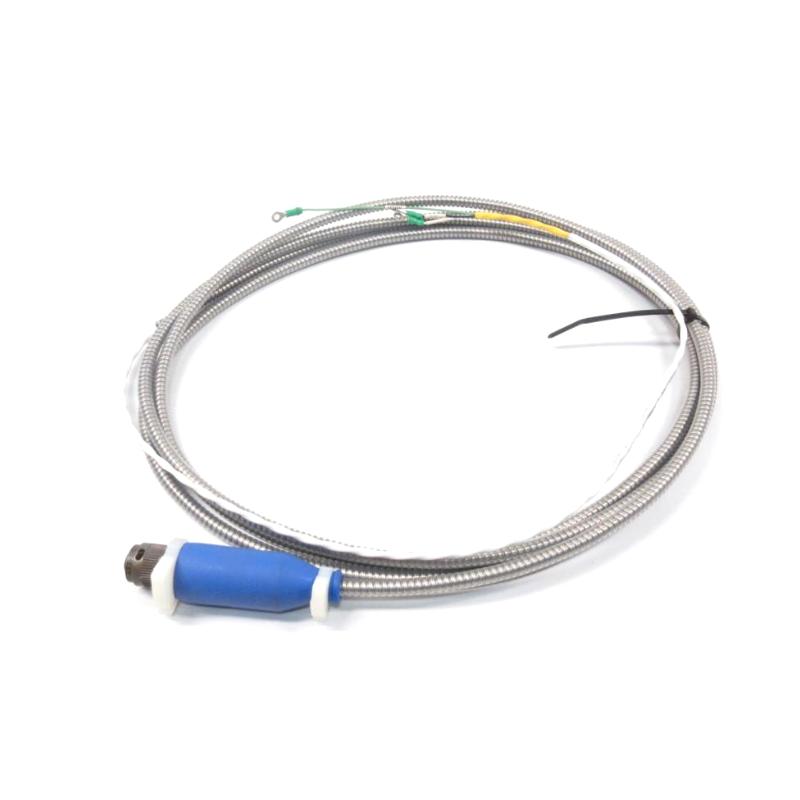
Q7: How long is the cable on the probe?
A7: The cable length is customizable, and you can contact the manufacturer for specific requirements.
Q8: What industries typically use this probe?
A8: This probe is used across various industries, including oil and gas, power generation, and manufacturing, for vibration and condition monitoring.
Q9: What output does the probe provide?
A9: The probe provides a 4-20 mA output signal, commonly used for vibration monitoring and integration into monitoring systems.
Q10: What are the installation requirements for the probe?
A10: The probe is designed for standard installation, and can be easily integrated into most machinery setups with minimal adjustments.
Related Products
Copyright @ 2026 Automations
XML|Links:
No:77501