Frequently Asked Questions (FAQ)
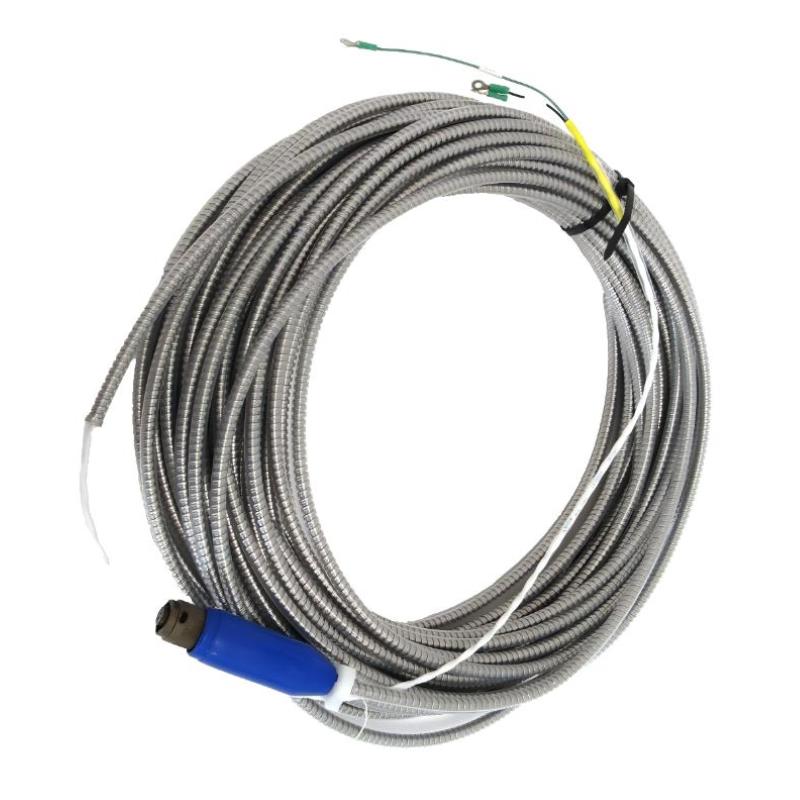
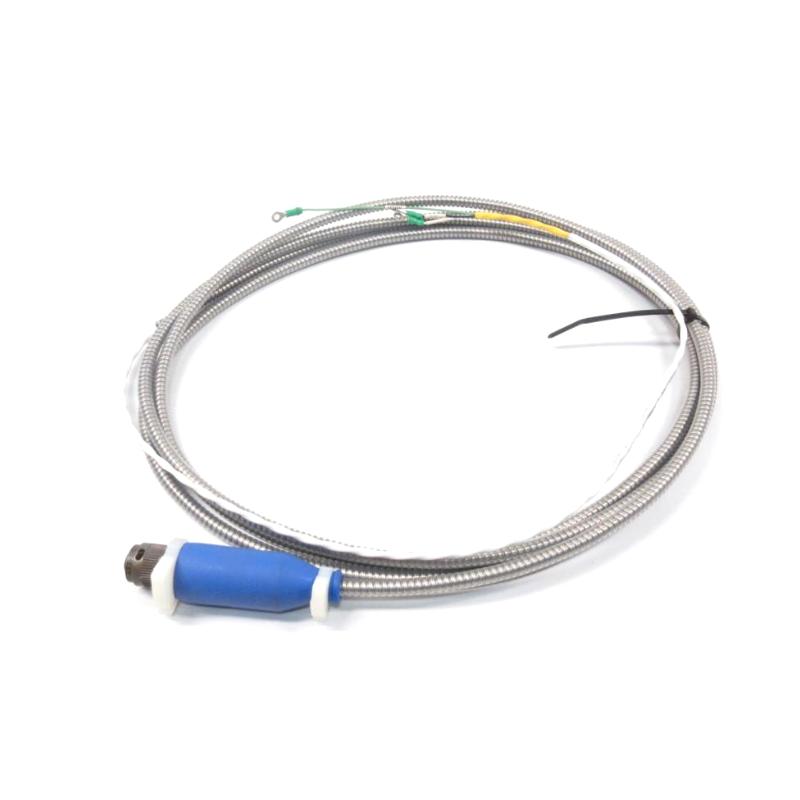
Q1: What is the primary function of the Bently Nevada 330101-00-10-10-02-00 sensor?
A1: The primary function of this sensor is to measure vibrations in rotating machinery. It provides detailed data on vibration displacement, velocity, and acceleration, which is critical for identifying potential faults such as unbalance or misalignment.
Q2: What industries use this vibration sensor?
A2: The 330101-00-10-10-02-00 sensor is widely used in industries like oil & gas, power generation, chemical processing, and manufacturing, where machinery reliability and predictive maintenance are critical.
Q3: How does the sensor communicate data?
A3: The sensor provides a 4-20 mA current loop output, which can be connected to monitoring systems for continuous data collection and analysis.
Q4: What is the measurement range for the sensor?
A4: The sensor measures vibration velocity up to ±10 mm/s and displacement up to ±5 mm, providing detailed insights into the health of machinery.
Q5: Can I use this sensor in extreme temperatures?
A5: Yes, the sensor can operate within a temperature range of -40°C to +85°C, making it suitable for challenging industrial environments.
Q6: How do I install the Bently Nevada 330101-00-10-10-02-00 sensor?
A6: The sensor can be easily installed using its flange mount design, and it is compatible with both screw terminal and cable assembly connections.
Q7: How accurate is the Bently Nevada 330101-00-10-10-02-00 sensor?
A7: The sensor offers an accuracy of ±0.5% of full scale, ensuring reliable and precise vibration measurements for predictive maintenance.
Q8: What is the weight of the sensor?
A8: The 330101-00-10-10-02-00 sensor weighs approximately 0.55 kg, making it lightweight and easy to install.
Q9: Is this sensor compatible with other Bently Nevada monitoring systems?
A9: Yes, this sensor can seamlessly integrate with other Bently Nevada vibration monitoring systems, providing a comprehensive approach to machinery health.
Q10: How often should I calibrate the sensor?
A10: The sensor should be calibrated periodically, typically on an annual basis, or as recommended by the manufacturer to ensure accurate performance.
Related Products
Copyright @ 2026 Automations
XML|Links:
No:77501