FAQ
Q1: What is the linear measurement range for this probe?
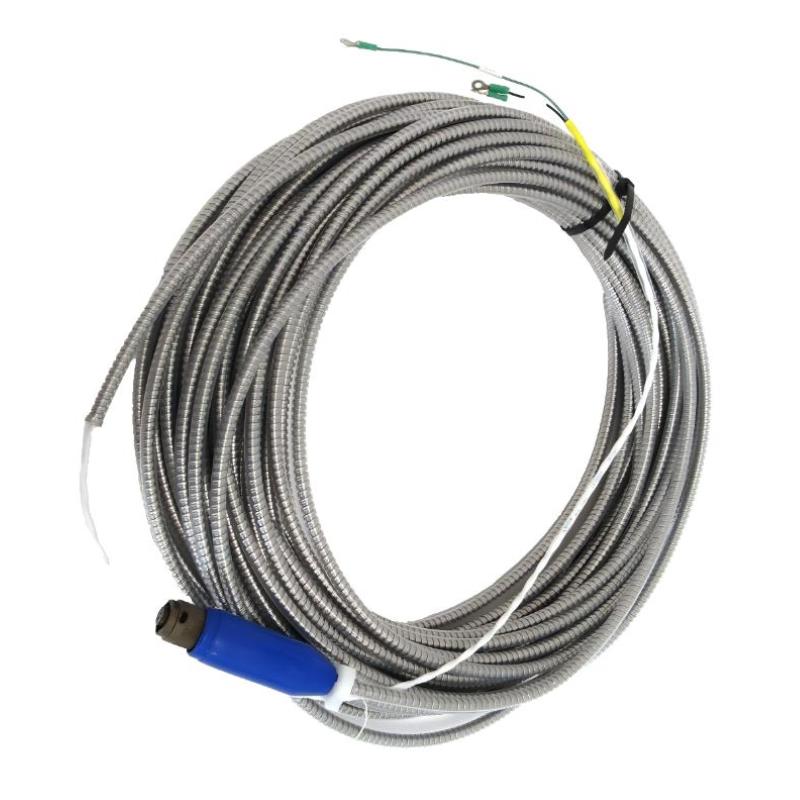
A1: The probe measures displacement within a linear range of 0.13 to 1.27 mm (5 to 50 mils).
Q2: What materials are used for the probe construction?
A2: The housing is stainless steel 303/304 and the probe tip is made from durable PPS plastic.
Q3: Is this probe compatible with standard monitoring systems?
A3: Yes, it is compatible with most industrial vibration monitoring systems, especially within the 3300 XL series.
Q4: What is the operating temperature range?
A4: The probe operates reliably between -52°C and +177°C.
Q5: How is the probe installed?
A5: It is installed using a 3/8-24 UNF threaded fitting, maintaining proper clearance to the shaft.
Q6: What kind of output signal does the probe generate?
A6: The probe produces a voltage signal proportional to the gap, with sensitivity typically around 200 mV per mil.
Q7: What is the weight of the probe per meter of cable?
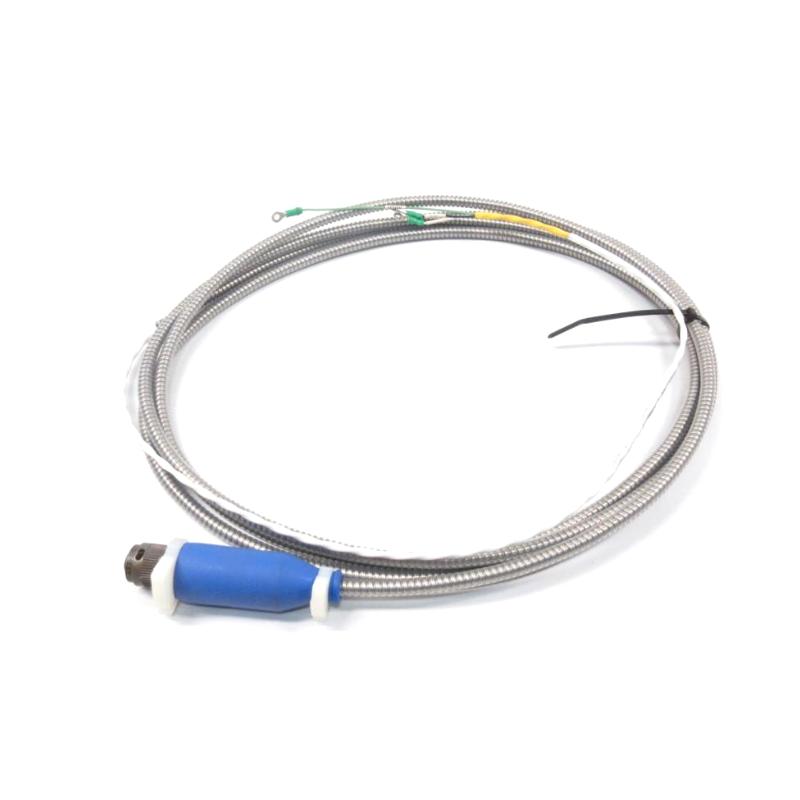
A7: Approximately 0.32 kilograms per meter, including the cable and probe.
Q8: How does the probe handle harsh environmental factors?
A8: The probe uses a Viton® O-ring seal.
Q9: How often should the probe be inspected or maintained?
A9: Regular inspections are recommended every 6 to 12 months, depending on operating conditions. Maintenance includes checking the probe gap, cable integrity, and connector condition to ensure accurate measurements.
Q10: Can this probe be used in explosive or hazardous environments?
A10: The probe itself is rugged and sealed for moisture and dust, but whether it is suitable for explosive environments depends on the overall system certification. Users should consult safety regulations and ensure the entire monitoring setup complies with hazardous location standards.
Related Products
Copyright @ 2026 Automations
XML|Links:
No:77501