8. FAQs (Q&A Format)
Q1: What is the standard measuring range for this probe?
A: The linear measurement range is approximately 0.25 mm to 2.3 mm.
Q2: What is the recommended shaft gap voltage for this model?
A: The typical shaft gap voltage is about -9 Vdc at a 1.27 mm gap to ensure accurate readings.
Q3: What temperatures can this probe safely operate in?
A: It operates reliably within -52°C to +177°C (-62°F to +350°F), with the probe tip able to withstand up to +218°C (+425°F).
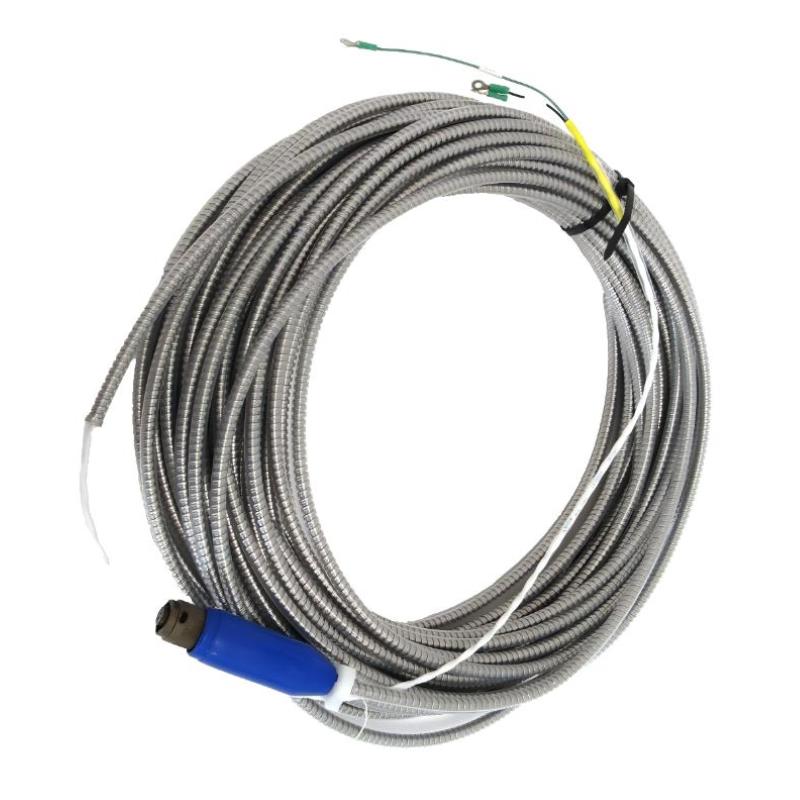
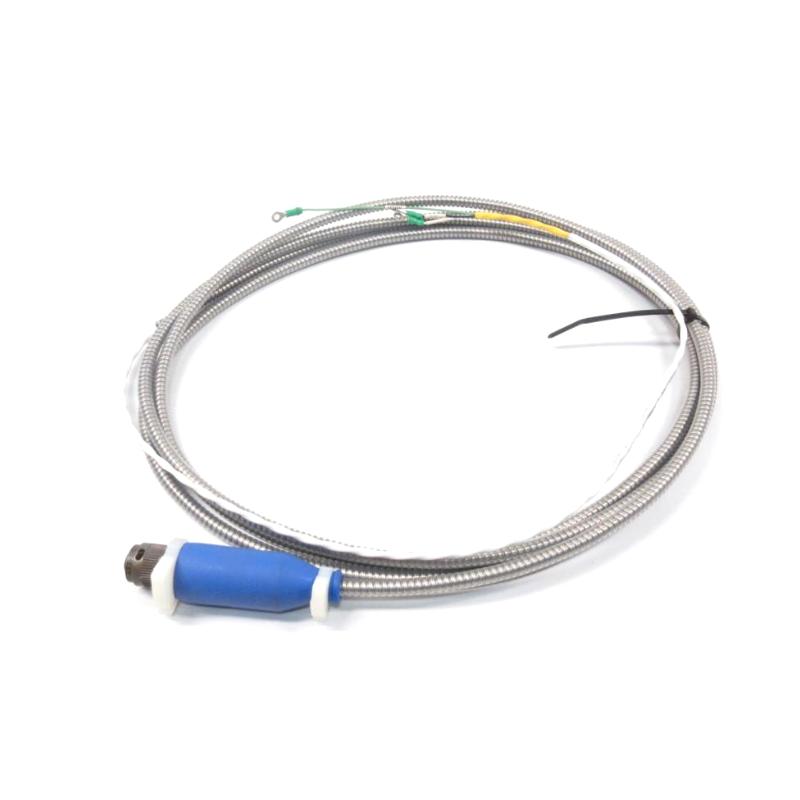
Q4: How does the cable length affect the probe’s signal?
A: Longer cables increase capacitance, which can reduce signal quality. The standard 0.5 m cable length is optimized for performance and minimal signal loss.
Q5: Can this probe be used in hazardous or explosive environments?
A: Yes, variants of this model are certified for hazardous environments, ensuring safety and compliance.
Q6: What maintenance is recommended for this proximity probe?
A: Periodic inspection and cleaning are advised to prevent contamination. The probe and cable can be replaced independently if damaged.
Q7: How is the probe connected to the monitoring system?
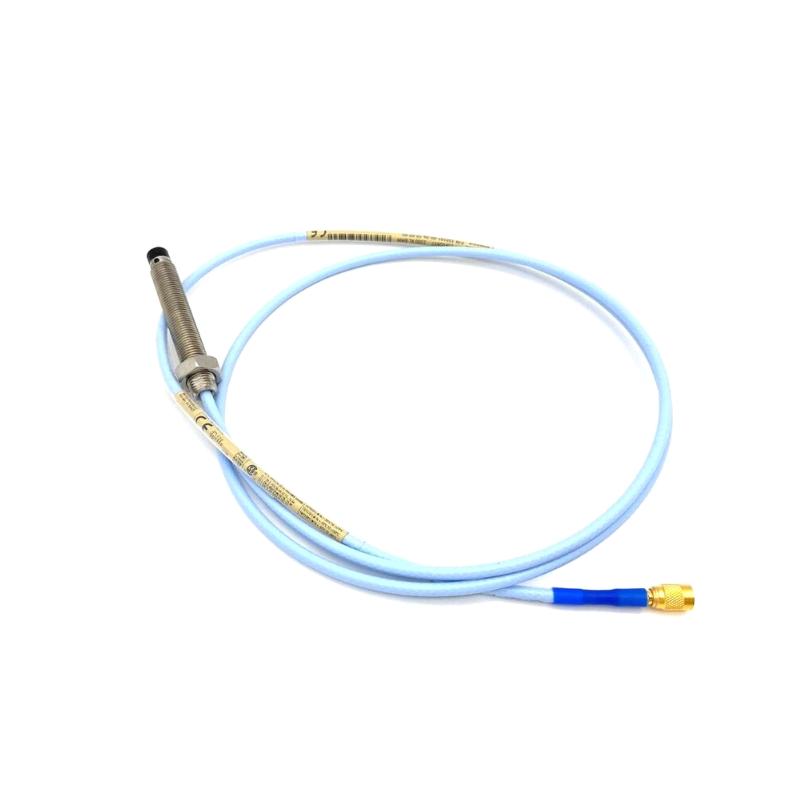
A: The probe uses a miniature coaxial ClickLoc connector with a protective cover for secure and reliable connections.
Q8: What materials are used in the construction of this probe?
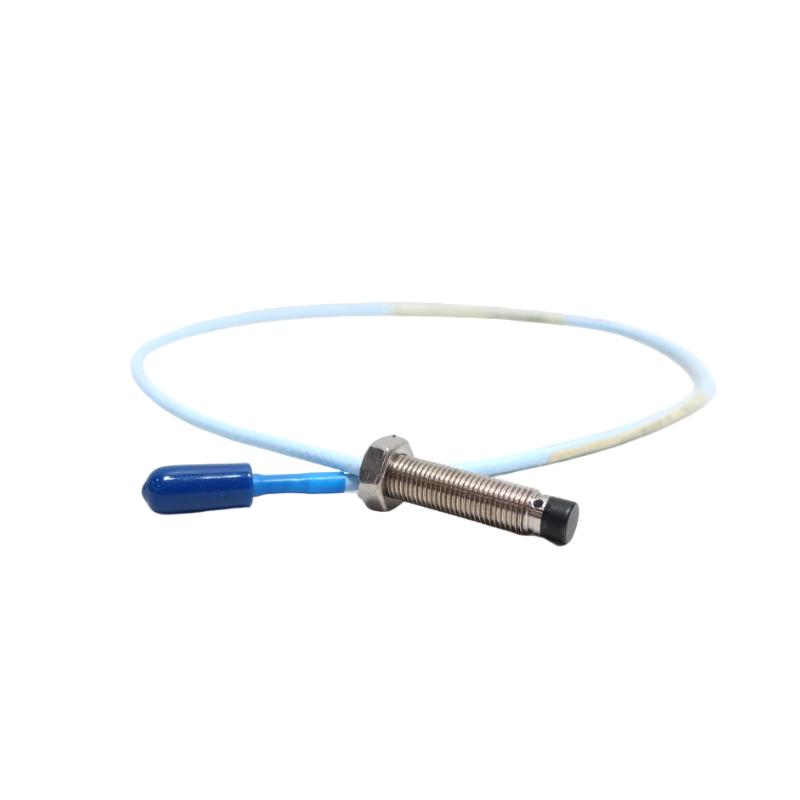
A: The probe tip is made of durable polyphenylene sulfide (PPS), and the housing is constructed of corrosion-resistant stainless steel.
Q9: Is the probe resistant to electromagnetic interference (EMI)?
A: Yes, the probe design includes shielding and grounding to minimize EMI, ensuring stable and accurate signal output.
Q10: What symptoms indicate that the probe might be malfunctioning?
A: Erratic or noisy output signals, unstable voltage readings, or physical damage to the probe tip or cable are common signs of failure.
Related Products
Copyright @ 2026 Automations
XML|Links:
No:77501