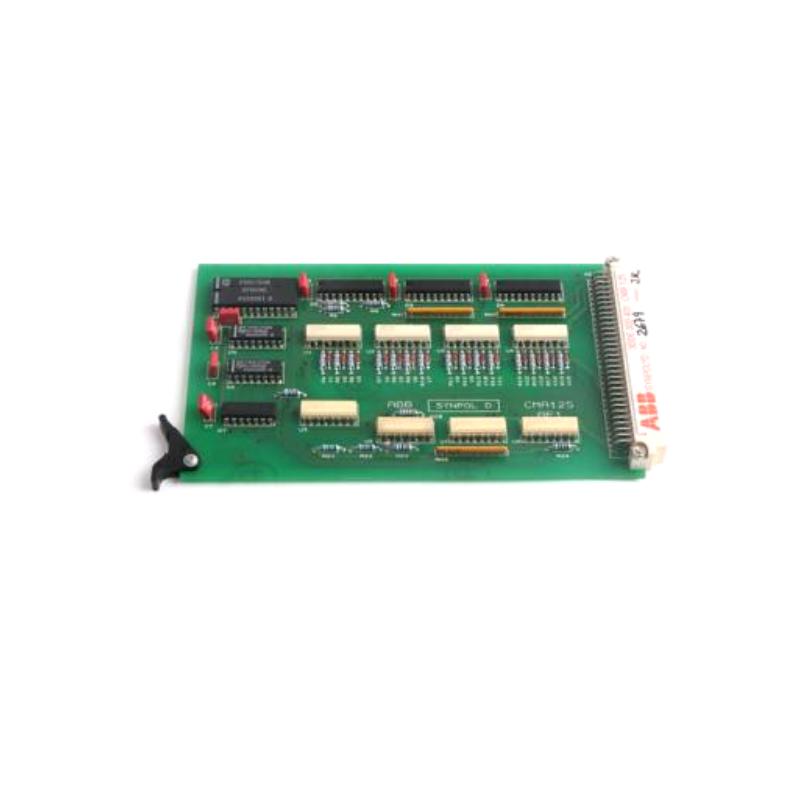
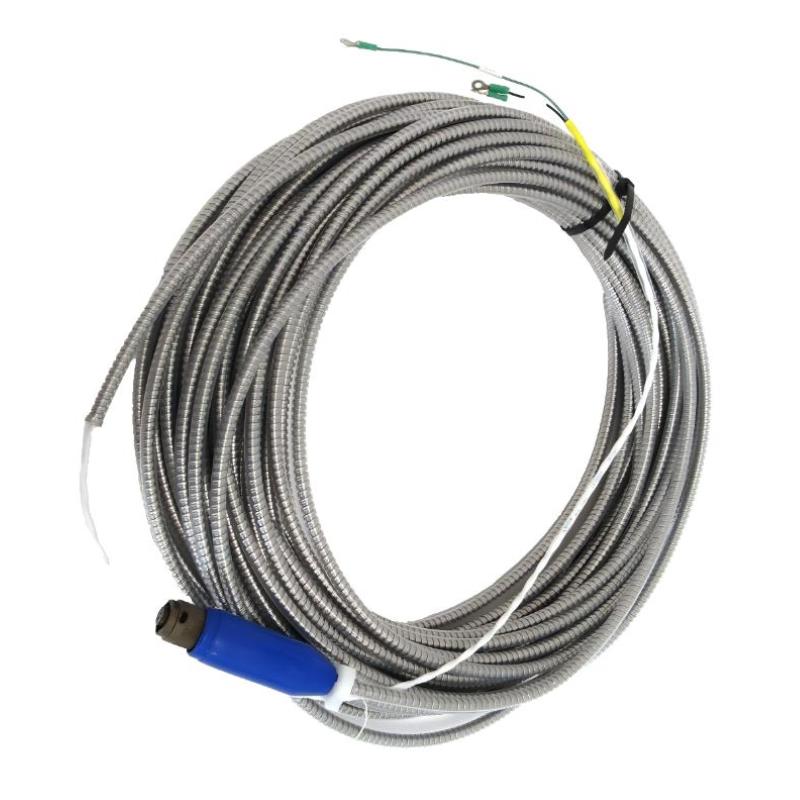
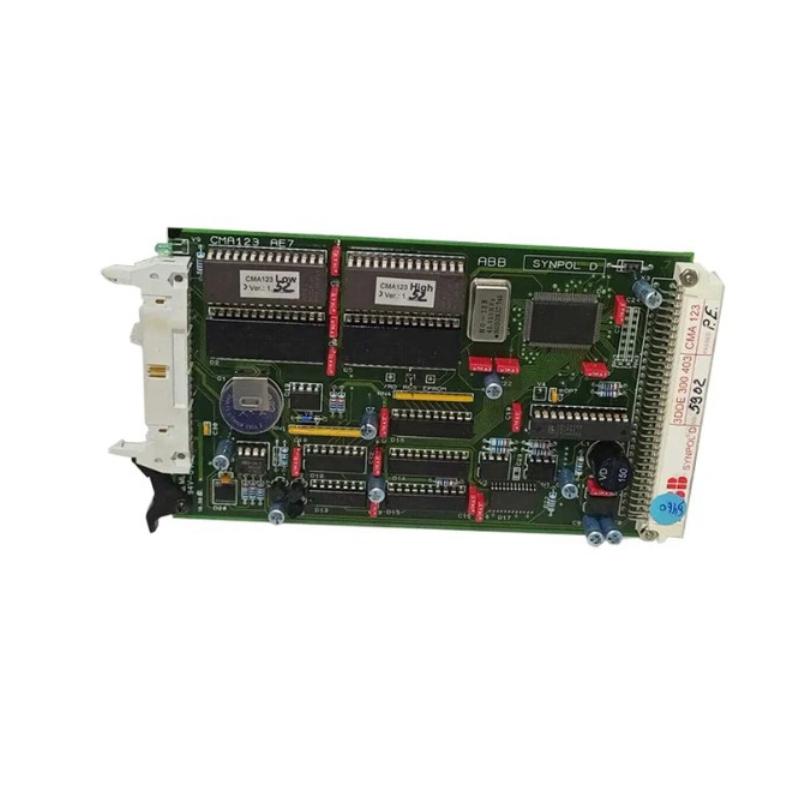
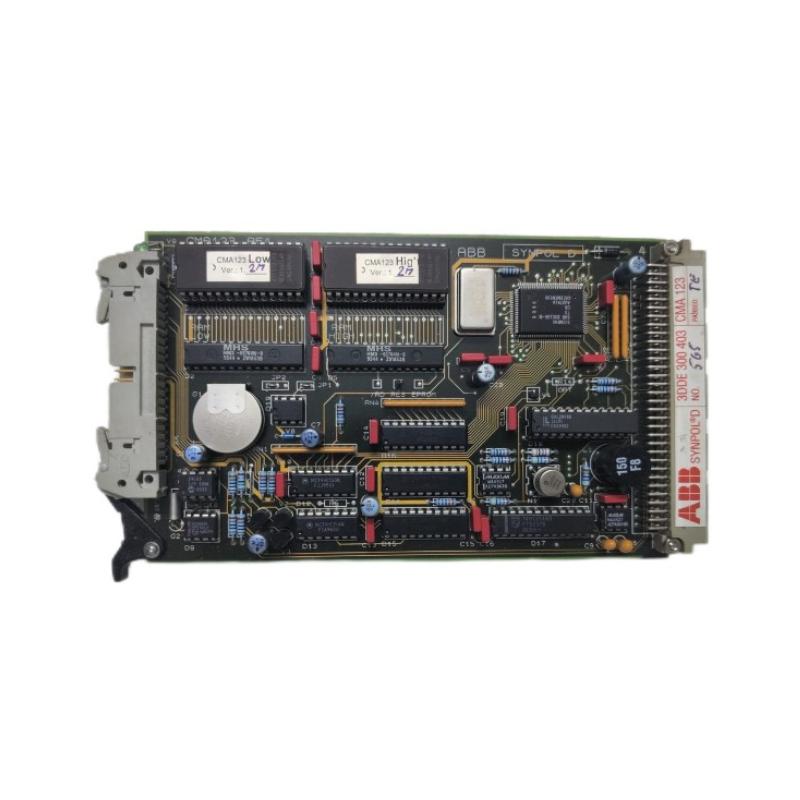
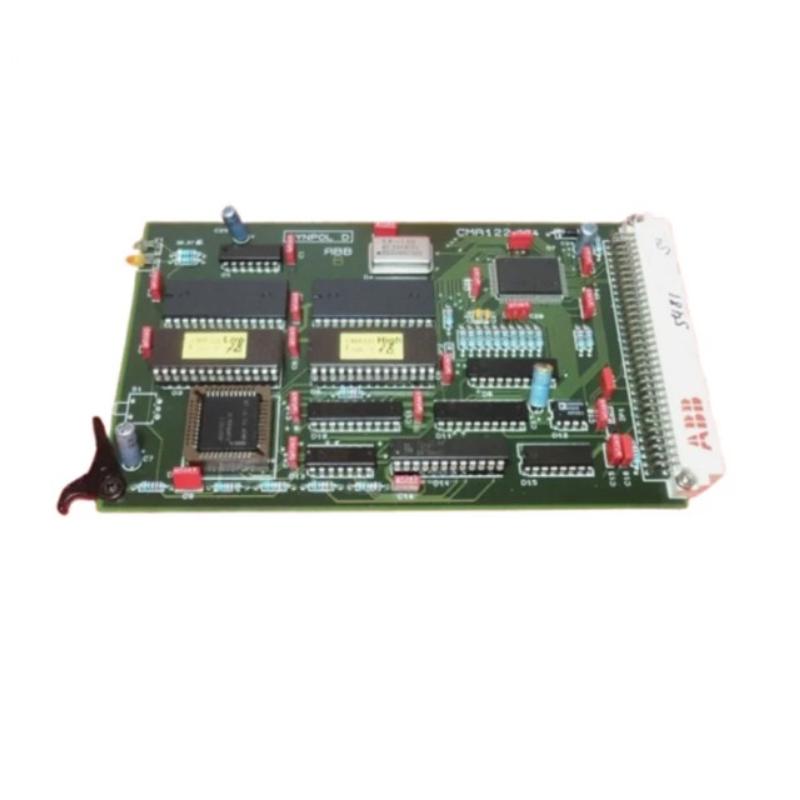
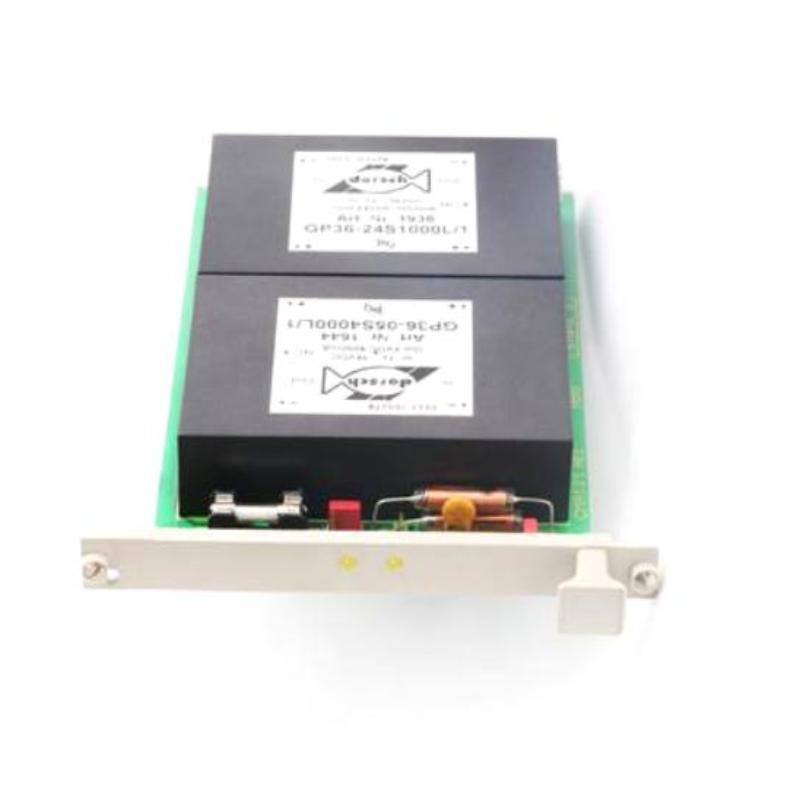
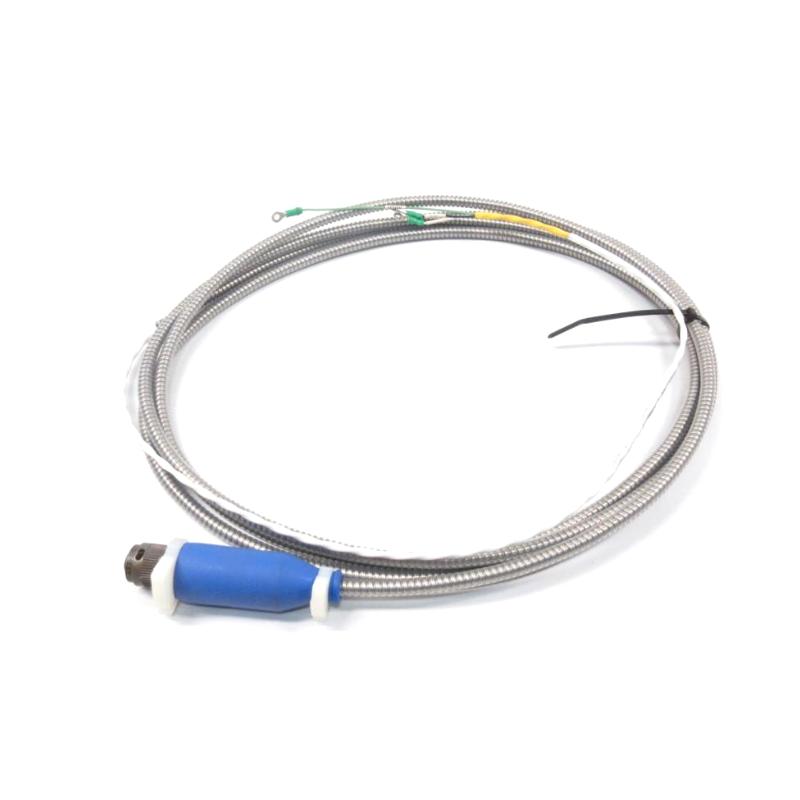
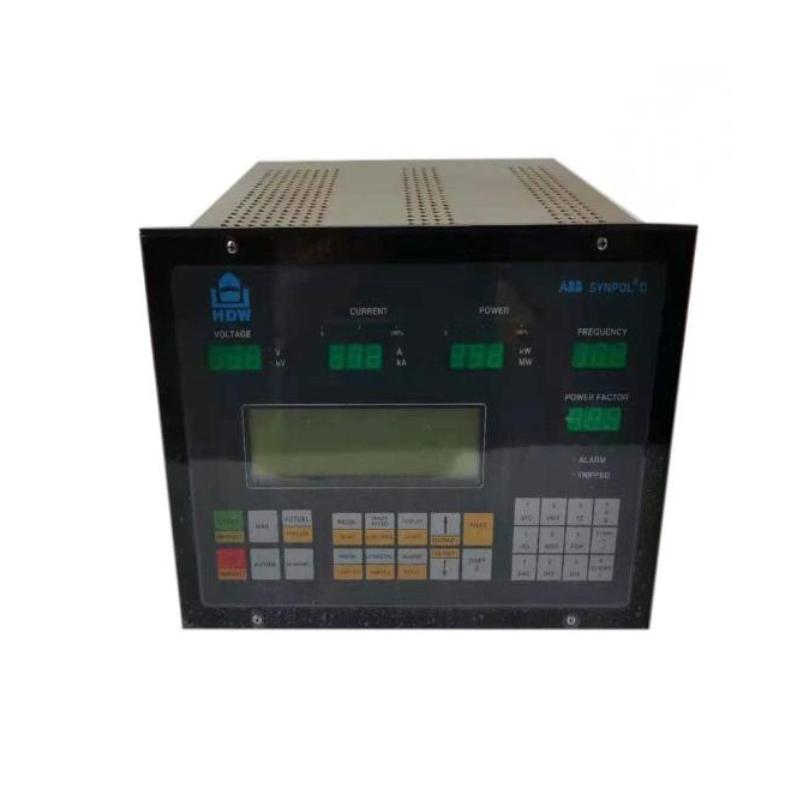
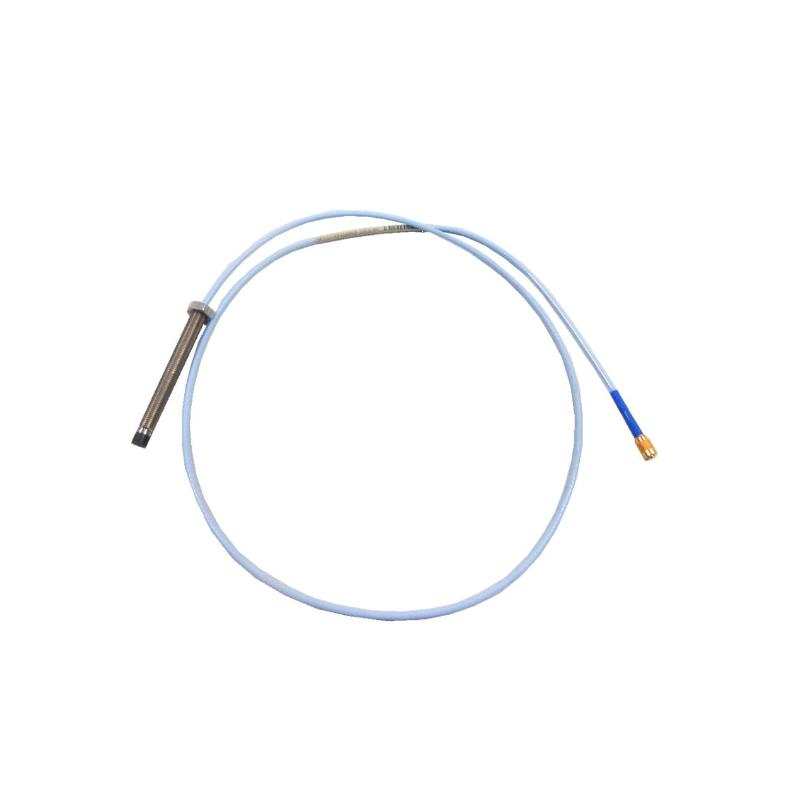
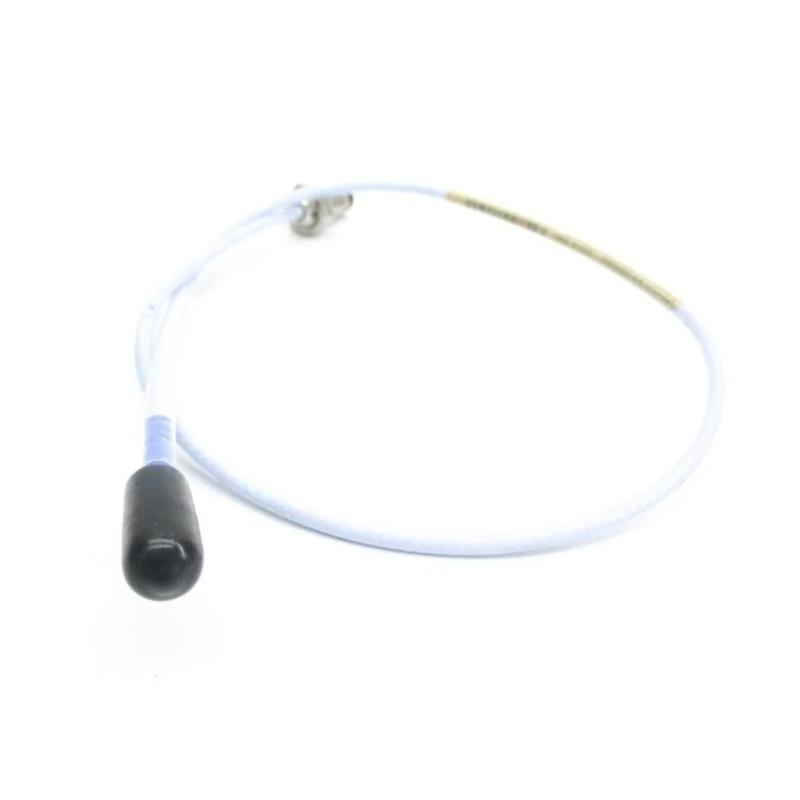
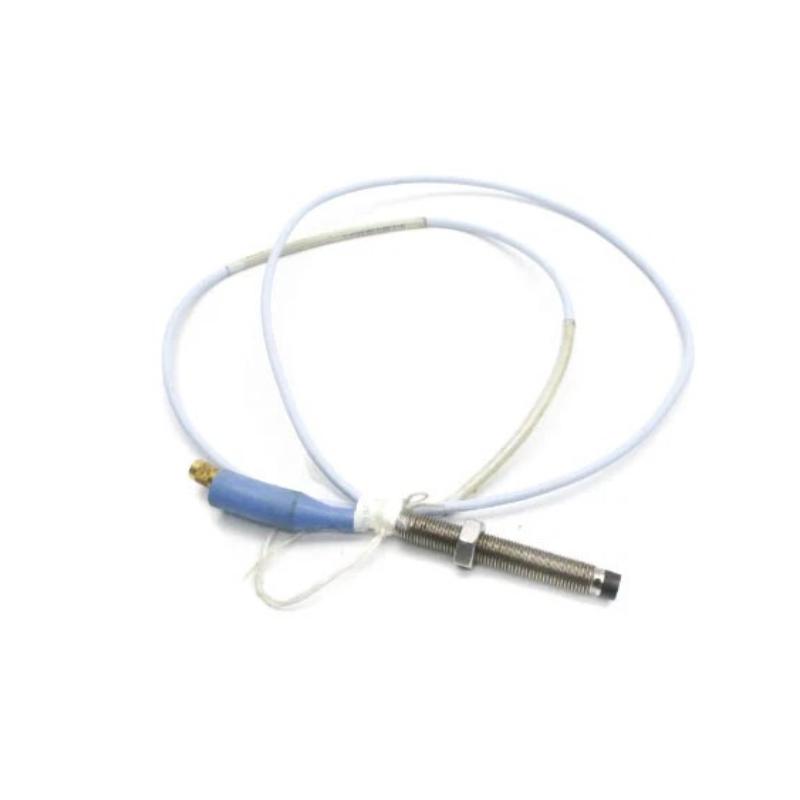
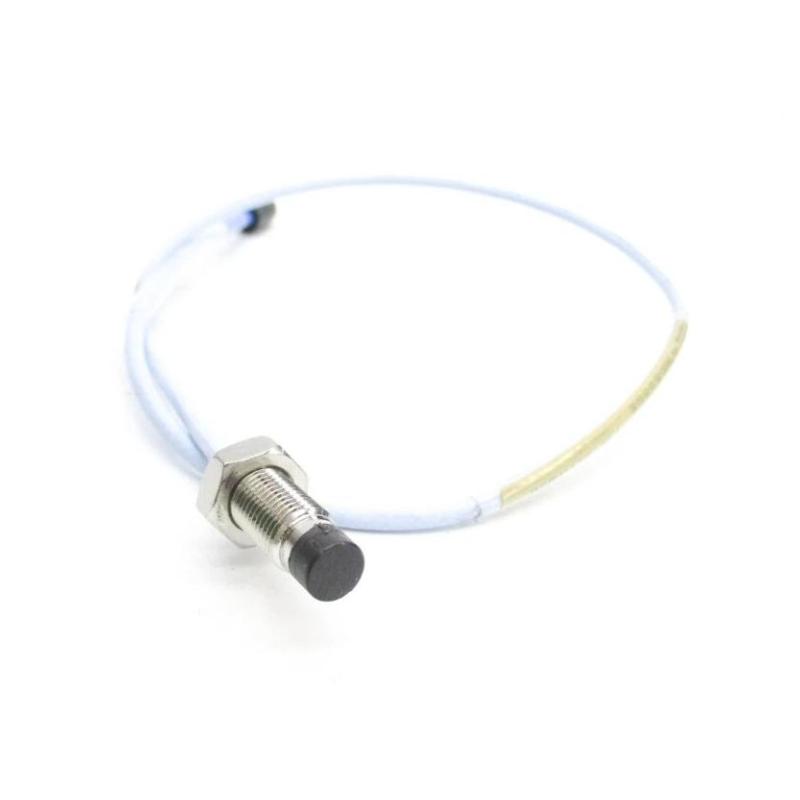
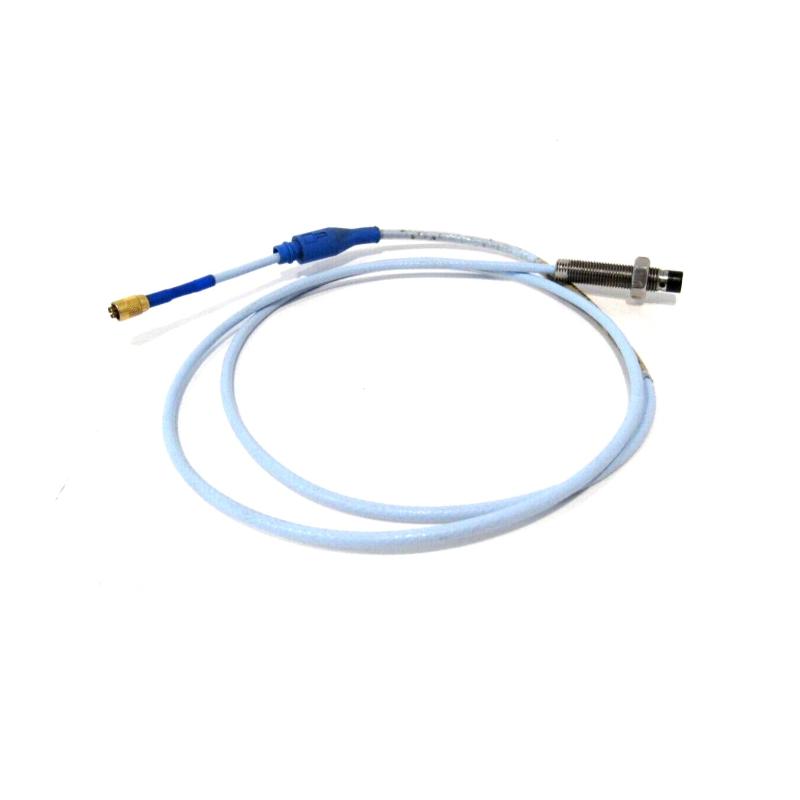
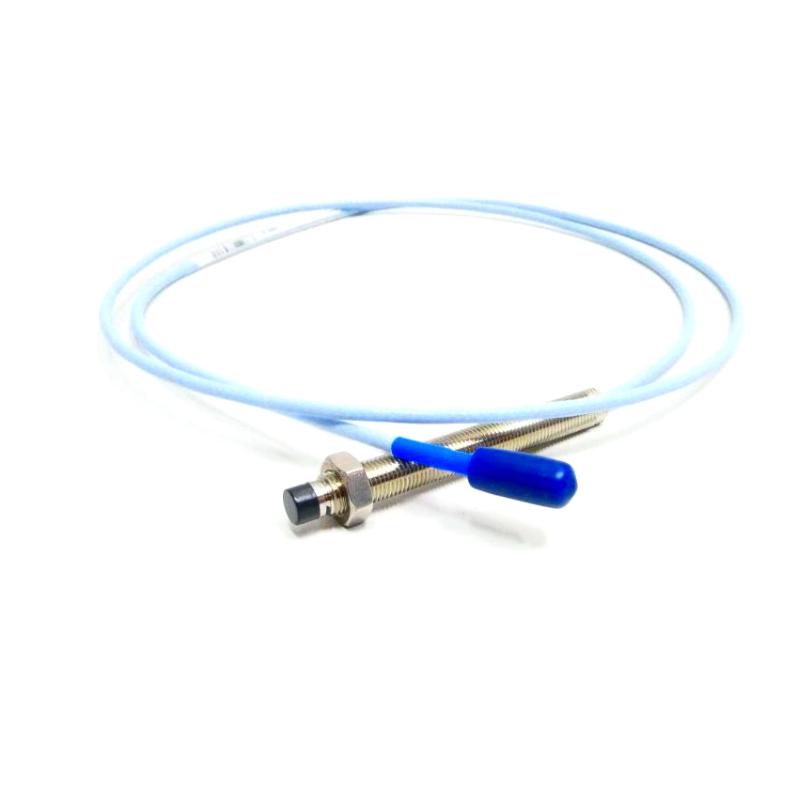
The sensor is used for real-time vibration monitoring of rotating machinery to detect potential failures like misalignment, imbalance, or bearing wear.
2. How does the sensor help in predictive maintenance?
By providing continuous vibration data, the sensor allows operators to detect abnormal conditions early, enabling proactive maintenance actions before failures occur.
3. What is the measurement range of the sensor?
The sensor measures vibration within a range of ±0.5 g to ±100 g, making it suitable for a wide variety of machines.
4. Can the sensor be used in extreme temperature conditions?
Yes, the sensor operates effectively in temperatures ranging from -40°C to +85°C, making it suitable for harsh environments.
The sensor offers both 4-20 mA analog output and Ethernet digital communication, making it compatible with different monitoring systems.
6. What industries typically use this sensor?
Industries such as power generation, oil & gas, manufacturing, and chemical processing often use this sensor to monitor machinery health and prevent unexpected downtime.
7. How accurate are the vibration measurements?
The sensor provides highly accurate and precise vibration measurements, ensuring that even small deviations are detected early.
8. Is this sensor easy to install?
Yes, the sensor is compact and lightweight, weighing only 1.1 kg, which makes it easy to install on a variety of machines.
9. What is the power consumption of the sensor?
The sensor consumes just 2.5 W, making it energy-efficient and suitable for continuous operation.
10. What is the protection class of the sensor?
The 330101-23-38-10-02-00 has an IP66 protection rating, meaning it is dustproof and water-resistant, ideal for use in harsh industrial environments.
Related Products
Copyright @ 2026 Automations
XML|Links:
No:77501