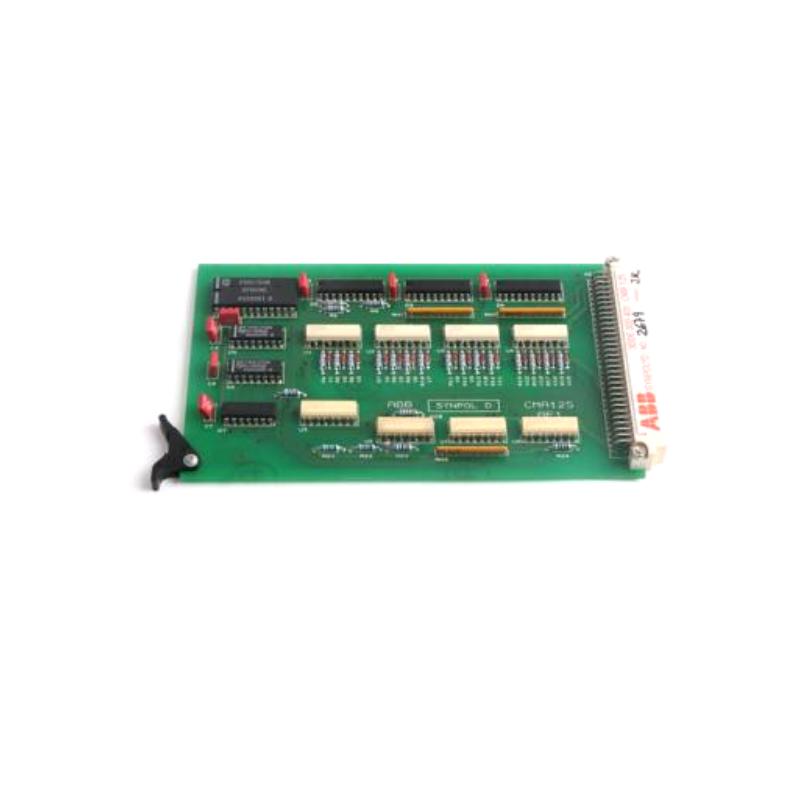
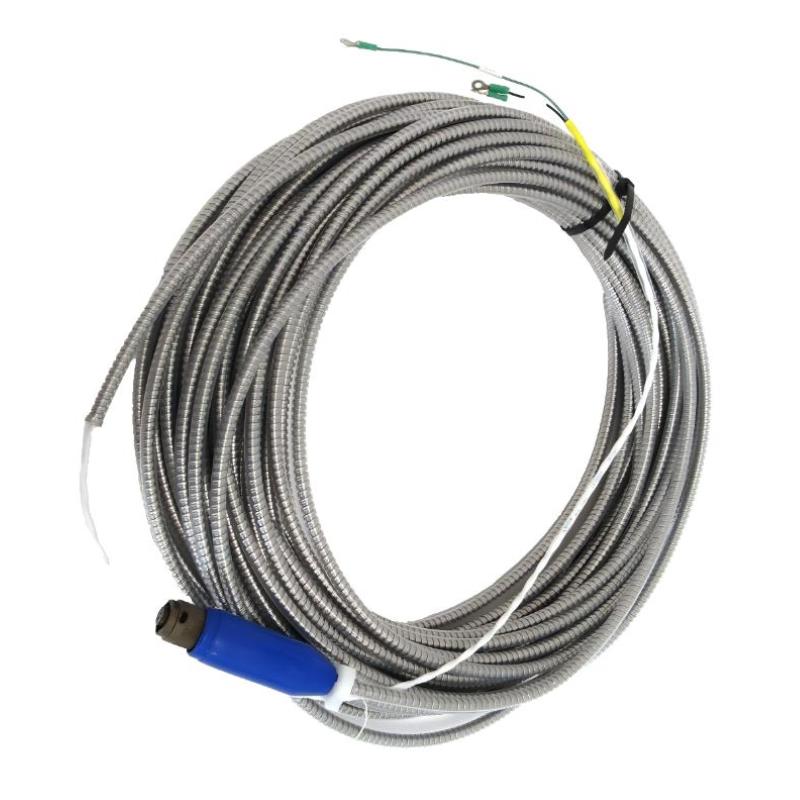
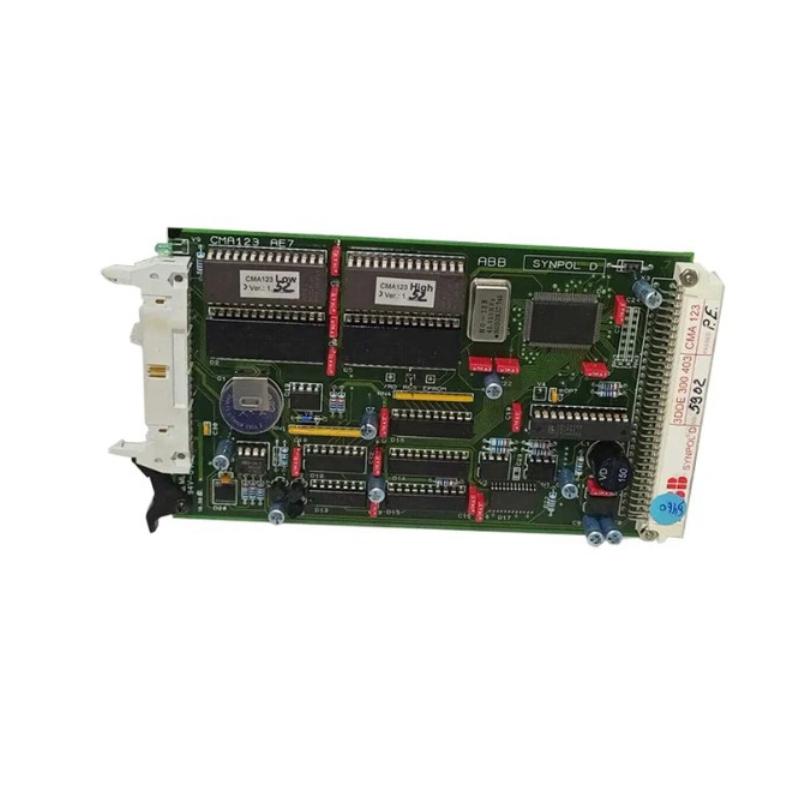
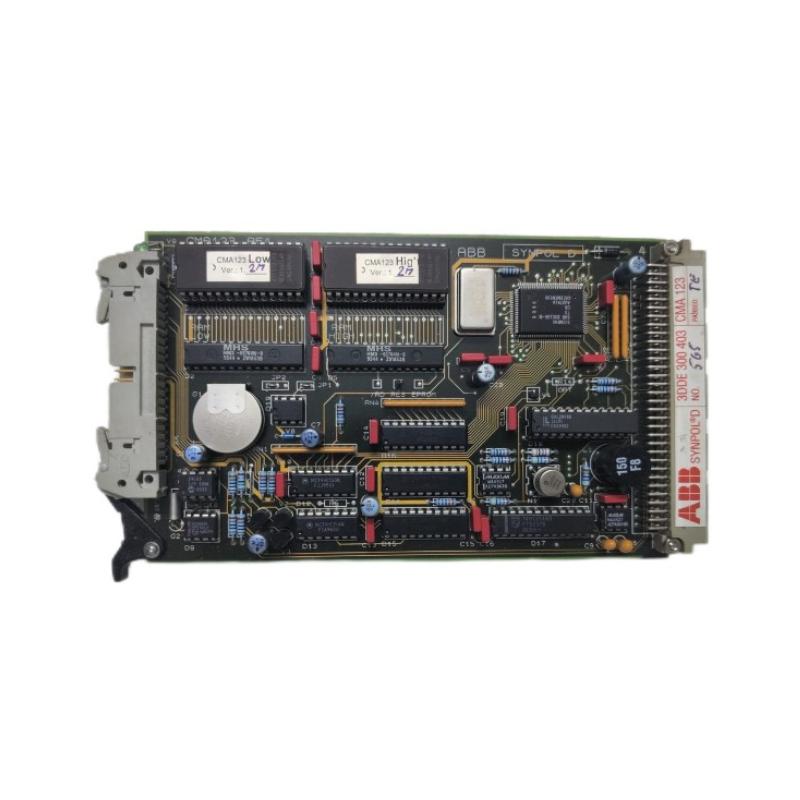
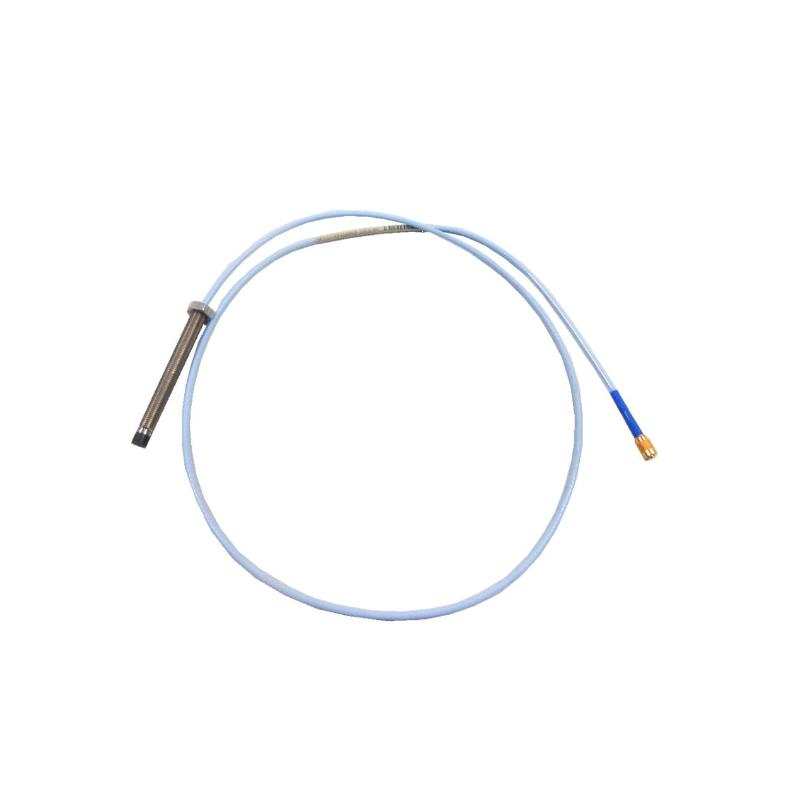
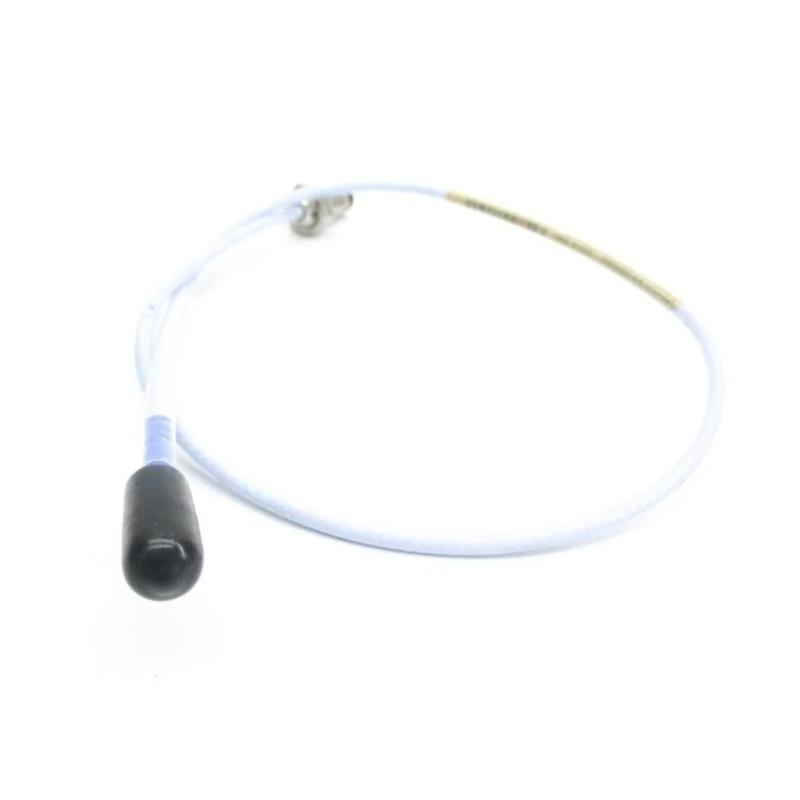
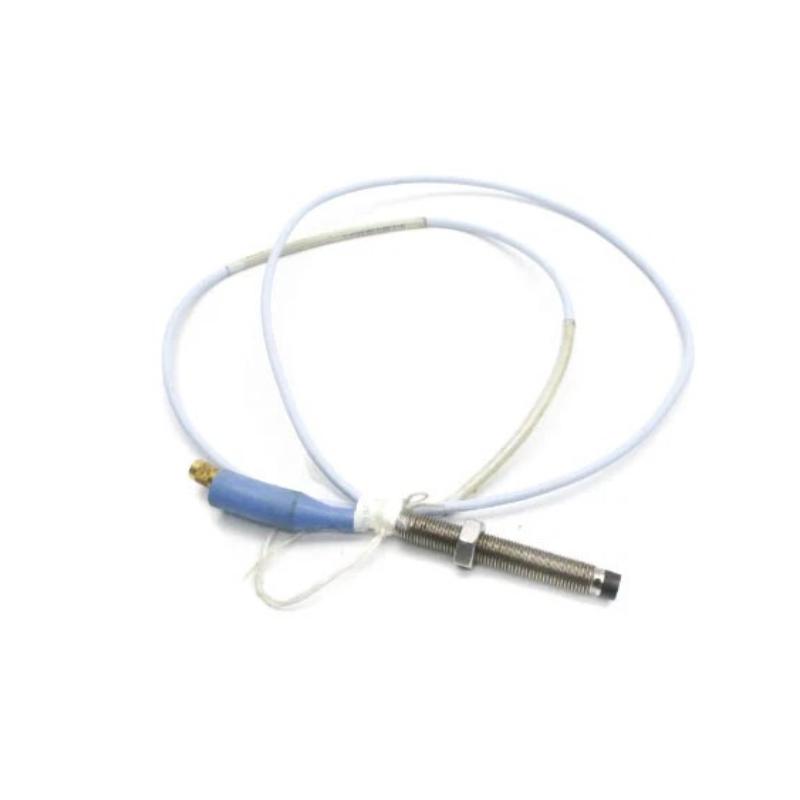
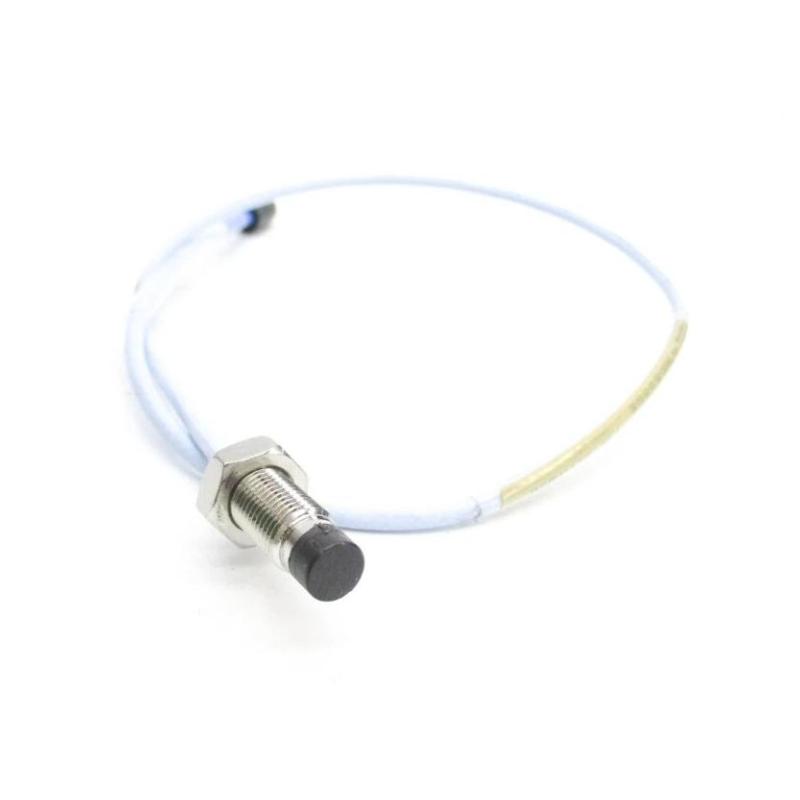
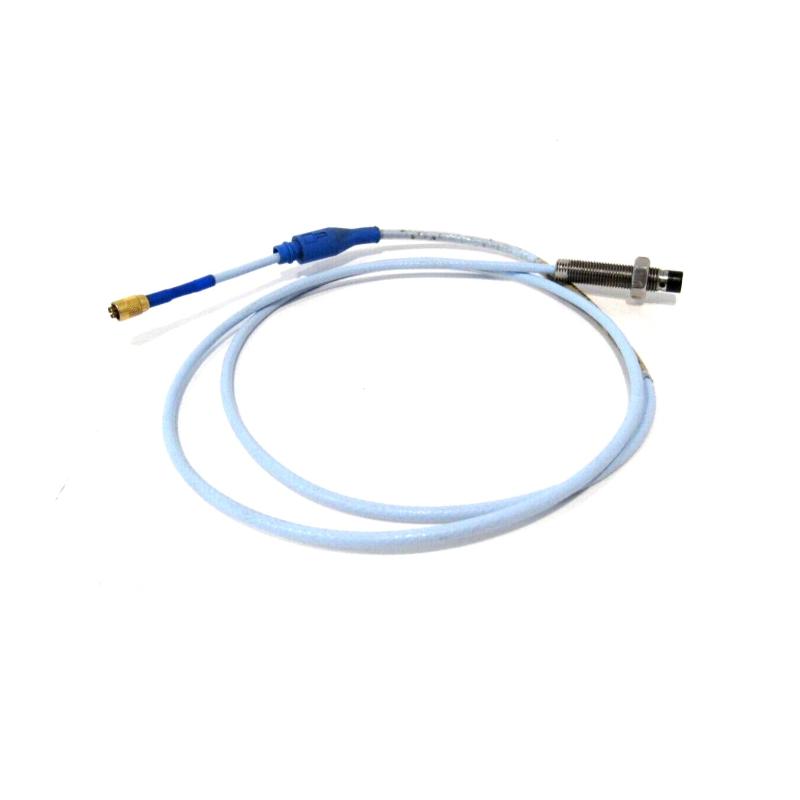
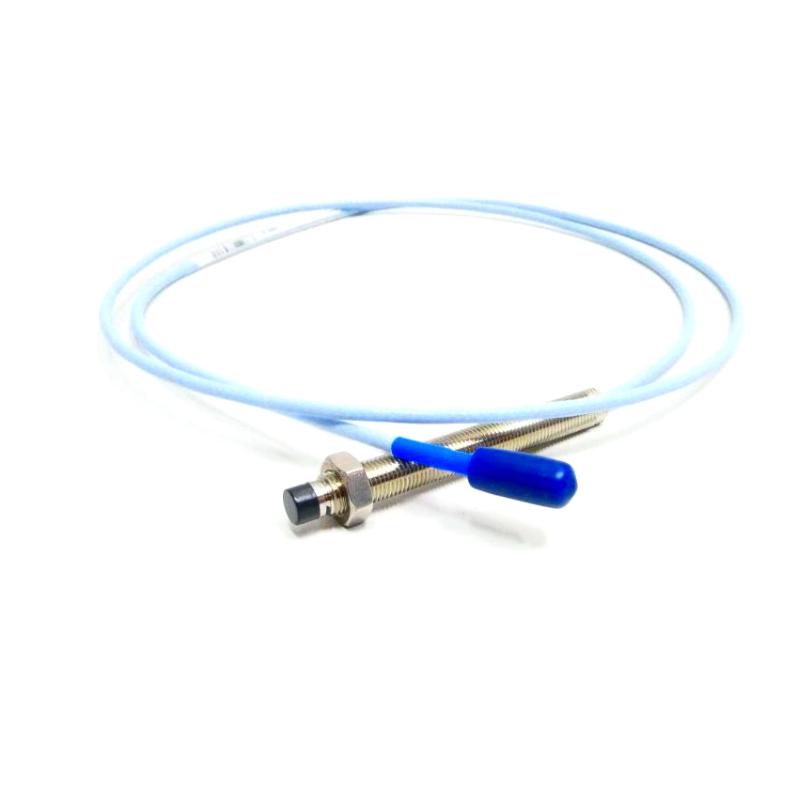
This sensor is used to monitor vibration levels of rotating machinery, allowing for early detection of issues such as imbalance, misalignment, and bearing wear.
2. In which industries is the sensor used?
The sensor is commonly used in industries like power generation, oil & gas, manufacturing, and chemical processing to monitor critical machinery.
3. What types of machinery can this sensor monitor?
It is designed for use with turbines, compressors, pumps, motors, fans, and other rotating equipment.
4. How does the sensor detect faults?
The sensor detects abnormal vibration patterns and compares them with baseline data to identify potential mechanical faults.
5. What are the output options of the sensor?
The sensor provides both 4-20 mA analog output and Ethernet digital communication, allowing it to be easily integrated into various monitoring systems.
6. What is the temperature range for this sensor?
The sensor can operate in environments ranging from -40°C to +85°C, making it suitable for extreme temperatures.
7. What is the weight of the sensor?
The sensor weighs 1.5 kg, making it lightweight and easy to install.
8. How long does the sensor last?
With its rugged design, the sensor is built for long-term reliability, often lasting several years with minimal maintenance.
9. How accurate is the vibration measurement?
The sensor provides highly accurate measurements with a wide frequency range, ensuring that even small changes in vibration are detected.
10. How is the sensor installed on machinery?
The sensor can be directly mounted onto the machinery being monitored, often using standard mounting brackets or bolts.
Related Products
Copyright @ 2026 Automations
XML|Links:
No:77501