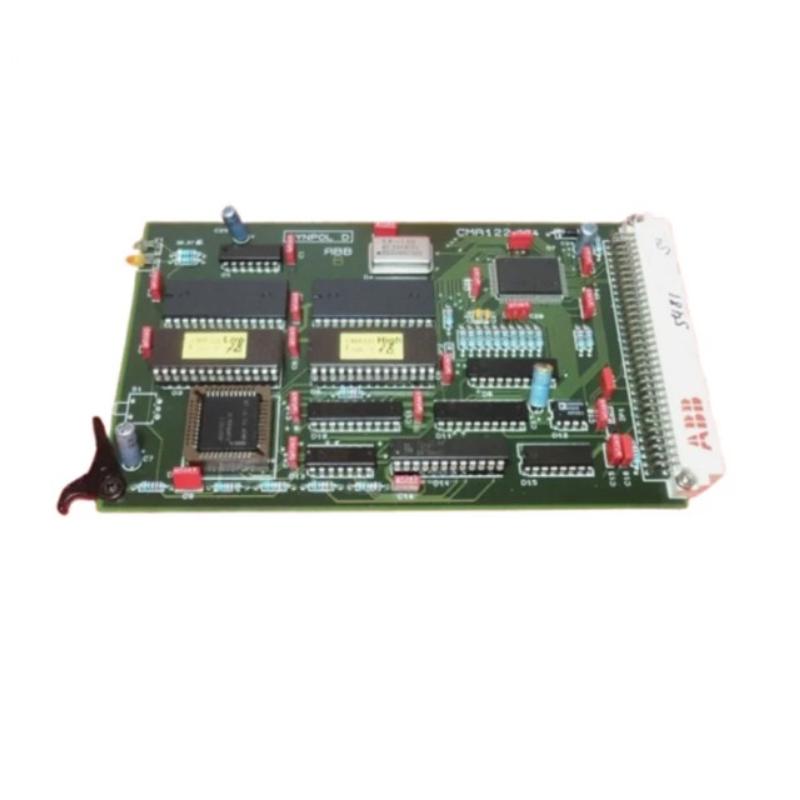
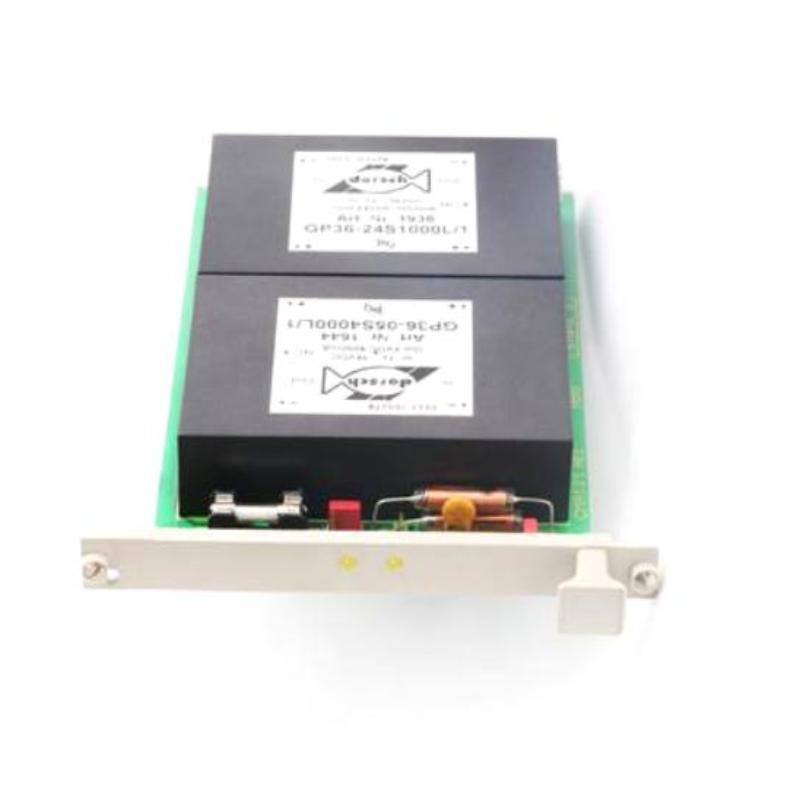
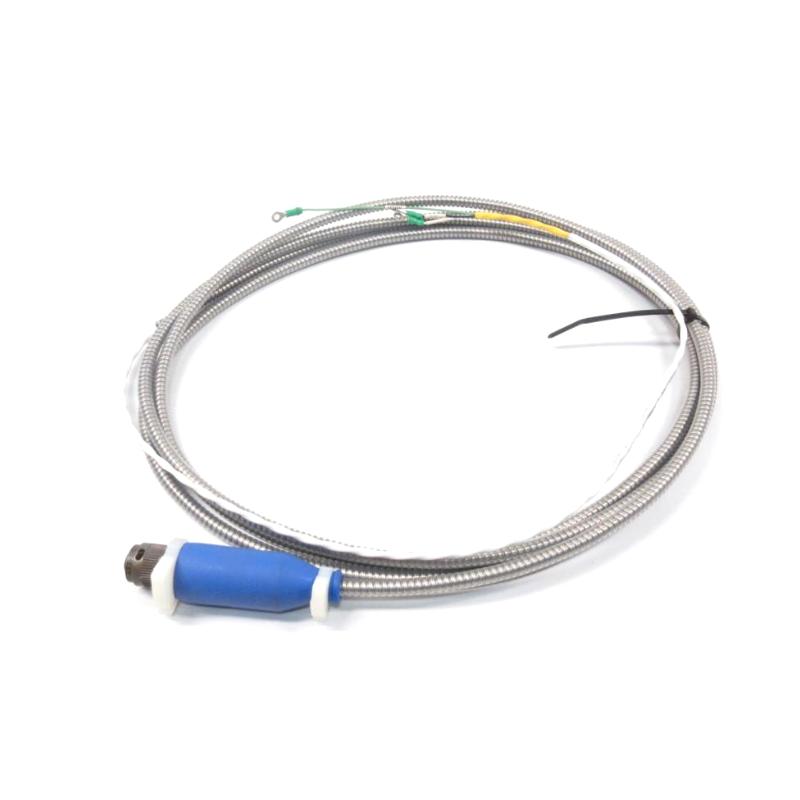
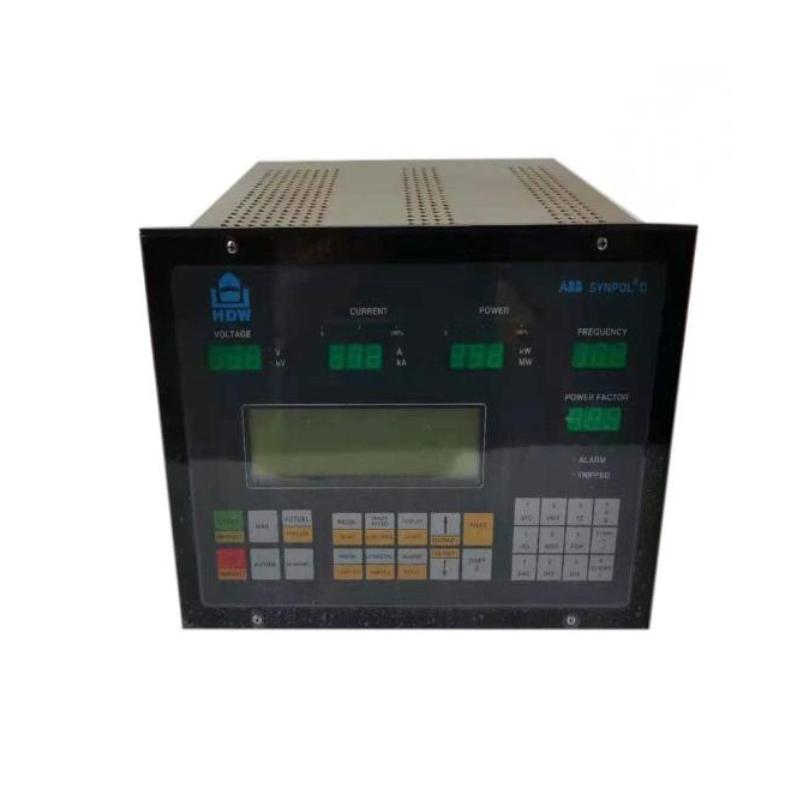
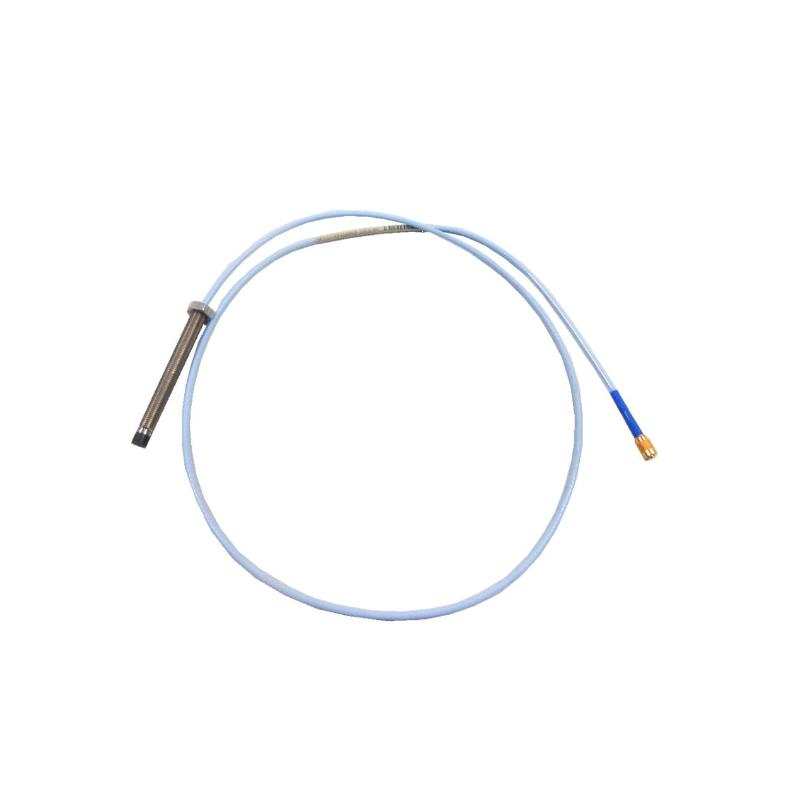
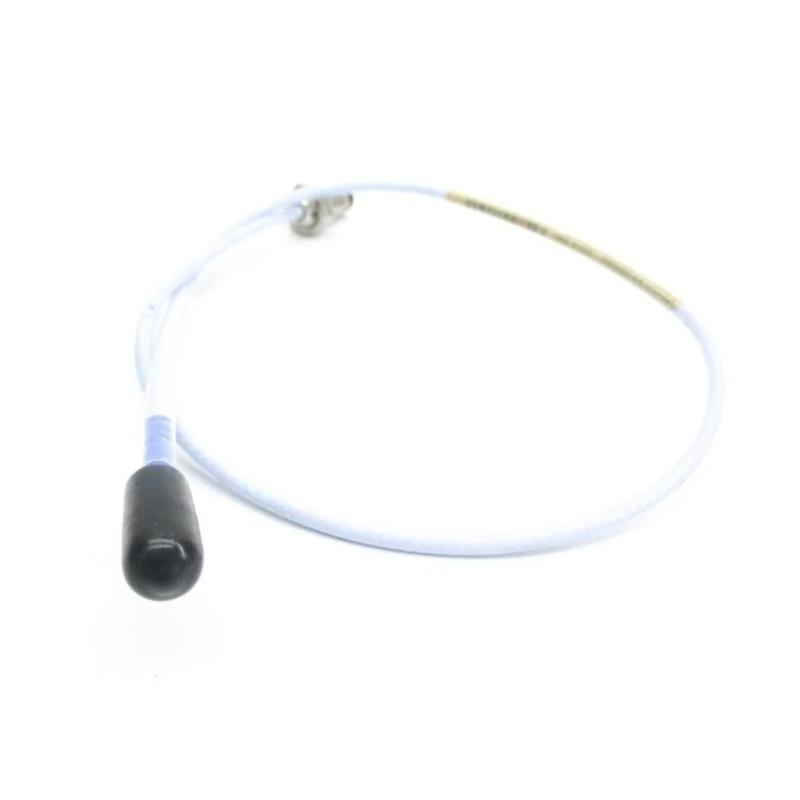
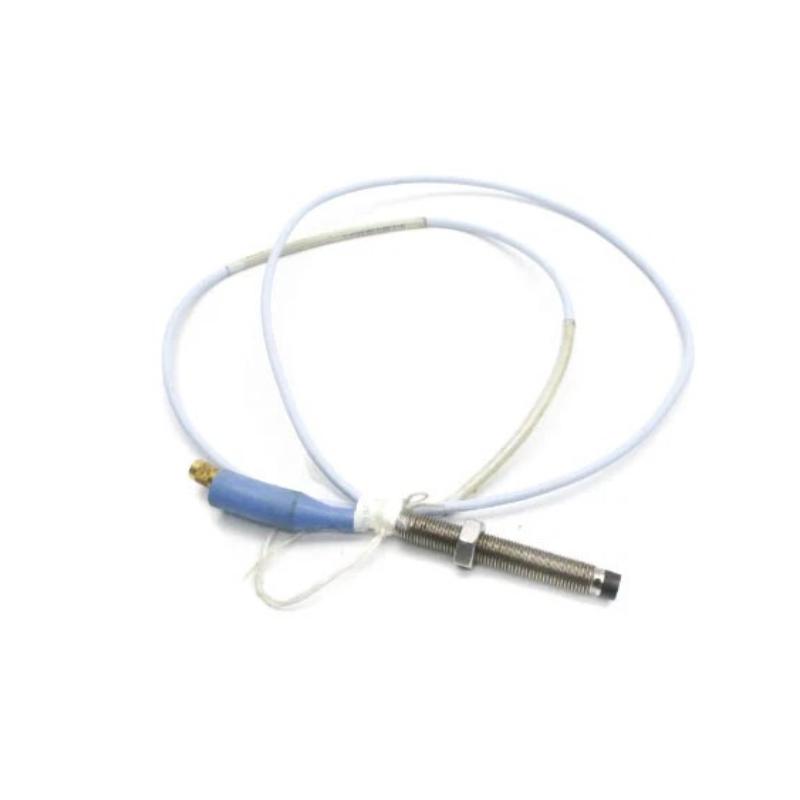
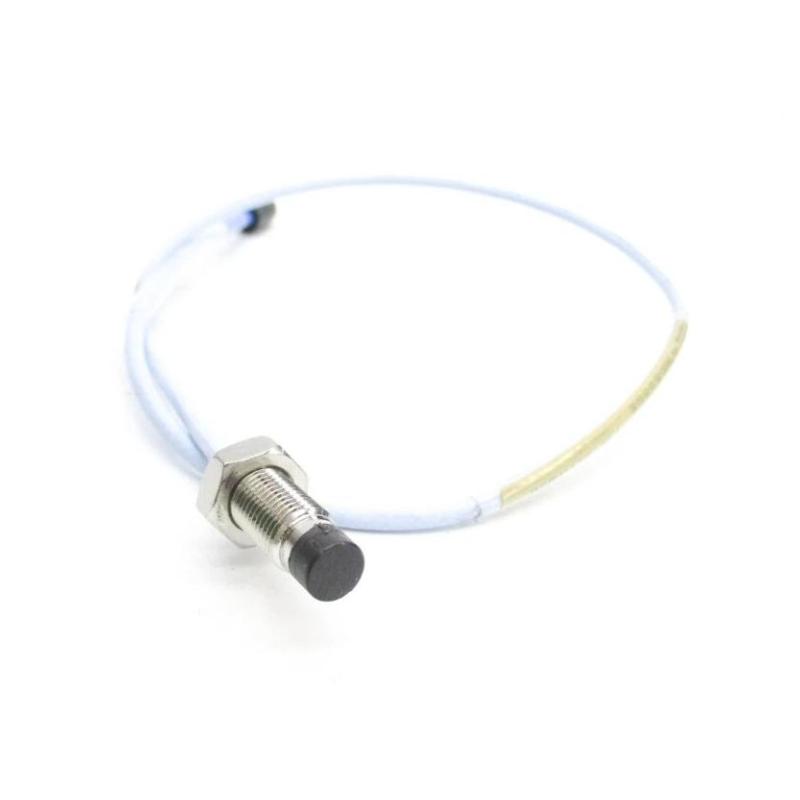
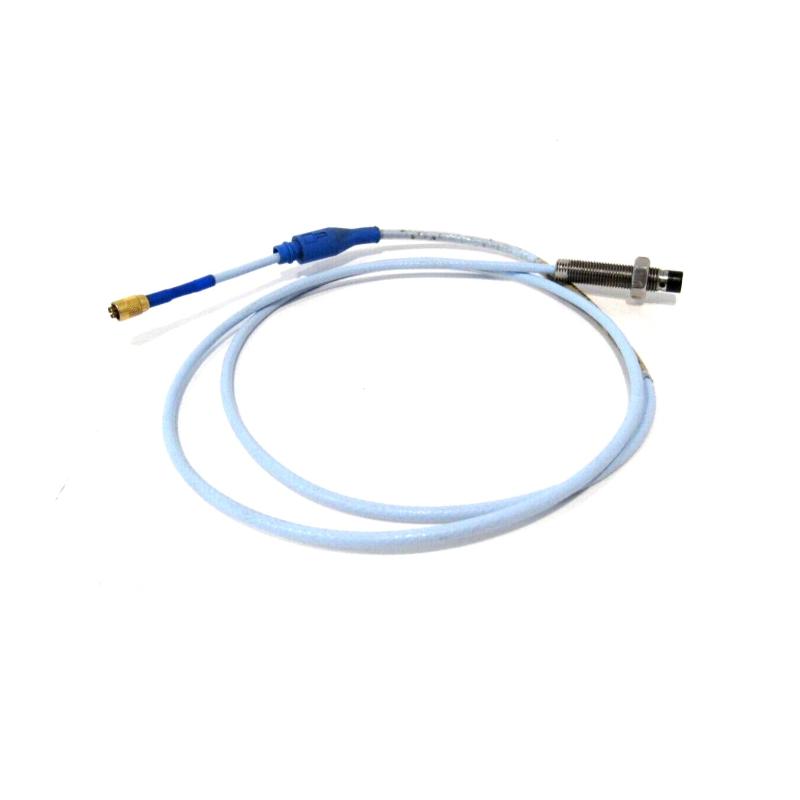
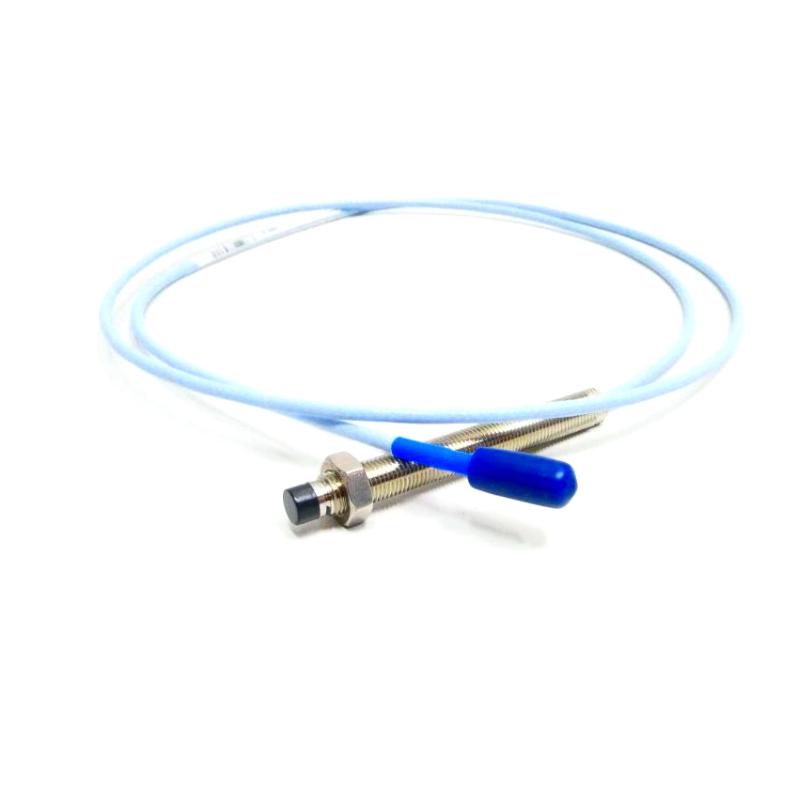
This sensor is used to measure vibrations in rotating machinery, helping to detect faults such as imbalance, misalignment, and bearing wear before they cause significant damage.
2. How does the sensor detect machinery faults?
It monitors vibration patterns in real-time and compares them to established baseline data, triggering alarms if any abnormalities are detected.
3. What industries use this sensor?
The sensor is commonly used in power generation, oil & gas, manufacturing, and chemical processing industries.
4. What type of machinery can this sensor monitor?
The sensor is suitable for monitoring turbines, motors, compressors, fans, pumps, and other rotating equipment.
5. What outputs does the sensor provide?
The sensor offers both 4-20 mA analog output and Ethernet digital communication, allowing for versatile integration with existing monitoring systems.
6. What is the temperature range of the sensor?
The sensor operates in temperatures ranging from -40°C to +85°C, making it suitable for use in both hot and cold environments.
7. How easy is it to install the sensor?
The sensor is designed for easy installation with a direct mounting system that can be attached to the machinery with minimal effort.
8. How accurate is the vibration measurement?
The sensor offers high accuracy, capable of detecting small changes in vibration to prevent premature mechanical failure.
9. Is the sensor durable?
Yes, the sensor is rated IP66, meaning it is resistant to dust and water, ensuring reliability in harsh industrial environments.
10. What is the power consumption of the sensor?
The sensor consumes 2.5 W of power, which is energy-efficient for continuous monitoring applications.
Related Products
Copyright @ 2026 Automations
XML|Links:
No:77501