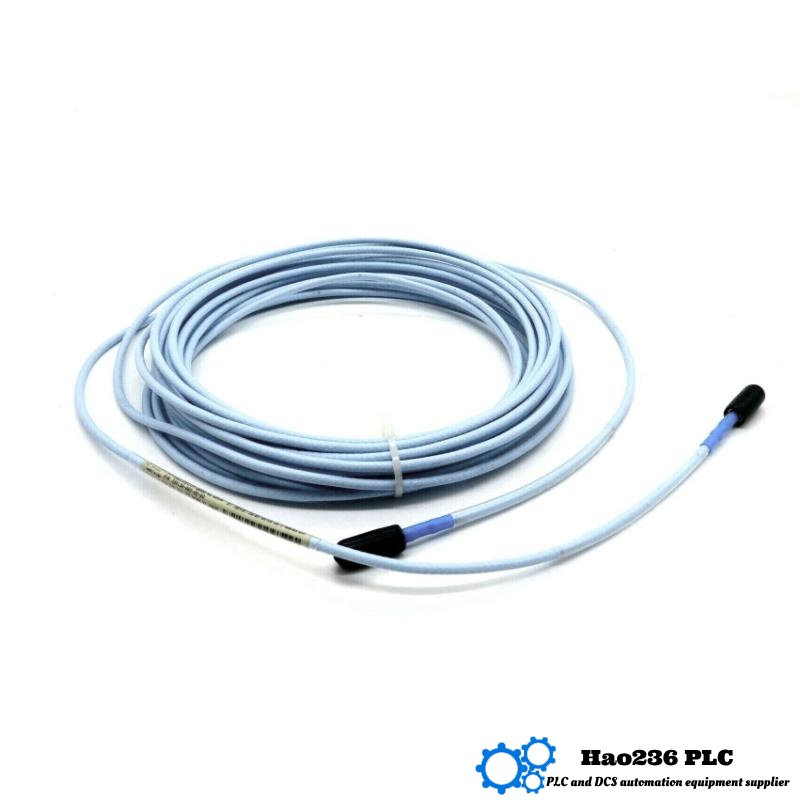
-
Q: What does the “12” in 330130‑080‑12‑00 mean?
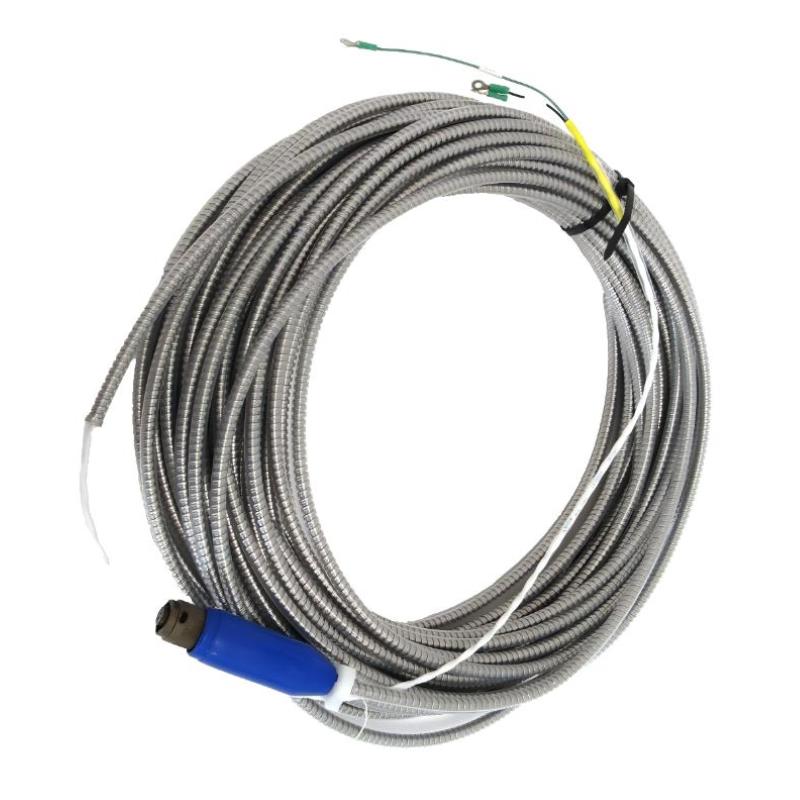
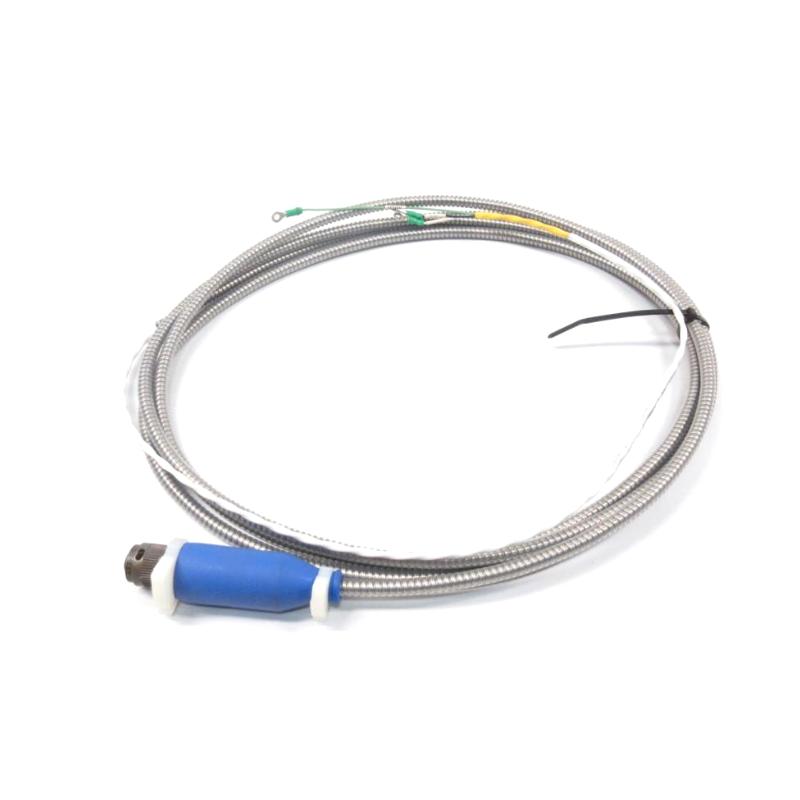
A: It indicates the cable version includes FluidLoc cable option plus a connector protector, to help prevent fluid leakage or ingress.
-
Q: Is the 330130‑080‑12‑00 cable armored?
A: No, as the “00” indicates no agency approval and standard protection; armor is optional in other variants.
-
Q: What is the temperature range this cable supports?
A: Standard version is rated from ‑52 °C to +177 °C; optional high‑temperature (ETR) version goes up to +260 °C.
-
Q: How much does the cable weigh?
A: Approximately 0.272 kg for the 8 meter non‑armored FluidLoc extension cable.
-
Q: What is the capacitance of the cable, and why does it matter?
A: Typical is 69.9 pF/m; lower capacitance helps preserve signal integrity over the cable length.
-
Q: What is the mechanical pull strength of connectors / cable?
A: The CableLoc design provides about 330 N pull strength on the connection between probe and cable.
-
Q: What is the minimum bend radius?
A: 25.4 mm (1.0 inch); bending tighter may damage the cable or degrade performance.
-
Q: Can this cable be used in high‑humidity or fluid exposed environments?
A: Yes, the FluidLoc variant and connector protector help resist fluid exposure; the cable is designed for rugged, industrial environments.
-
Q: Is this extension cable interchangeable with older non‑XL 3300 5 mm and 8 mm transducer systems?
A: Yes; it is designed for backward compatibility with older systems for ease of replacement or upgrades.
-
Q: Does replacing the cable require recalibration of the system?
A: No; with 3300 XL systems, components (probe, cable, Proximitor sensor) are made to be interchangeable without needing field recalibration.