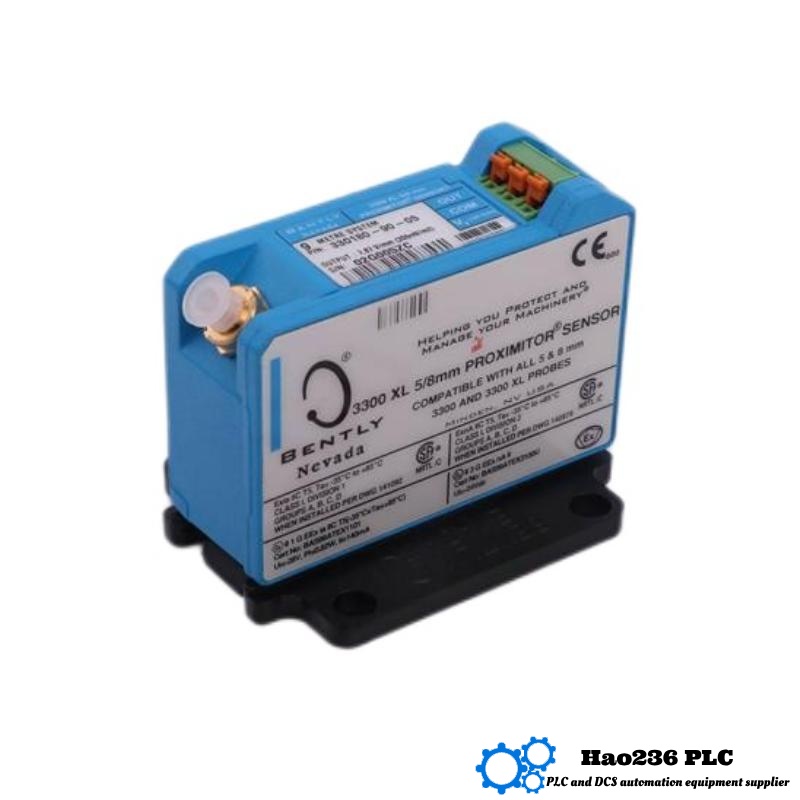
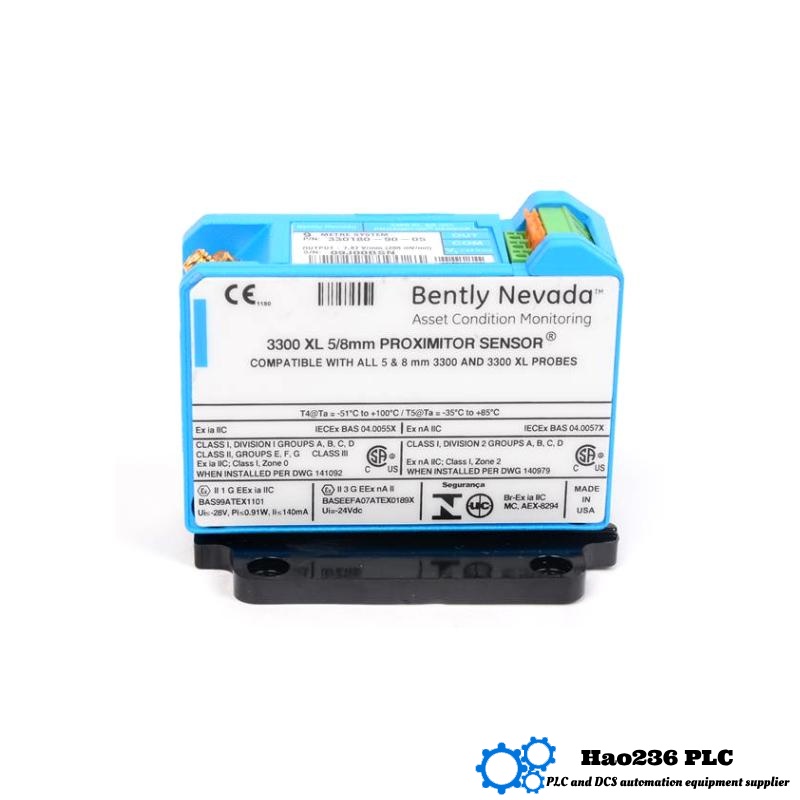
FAQs (10 Questions & Answers)
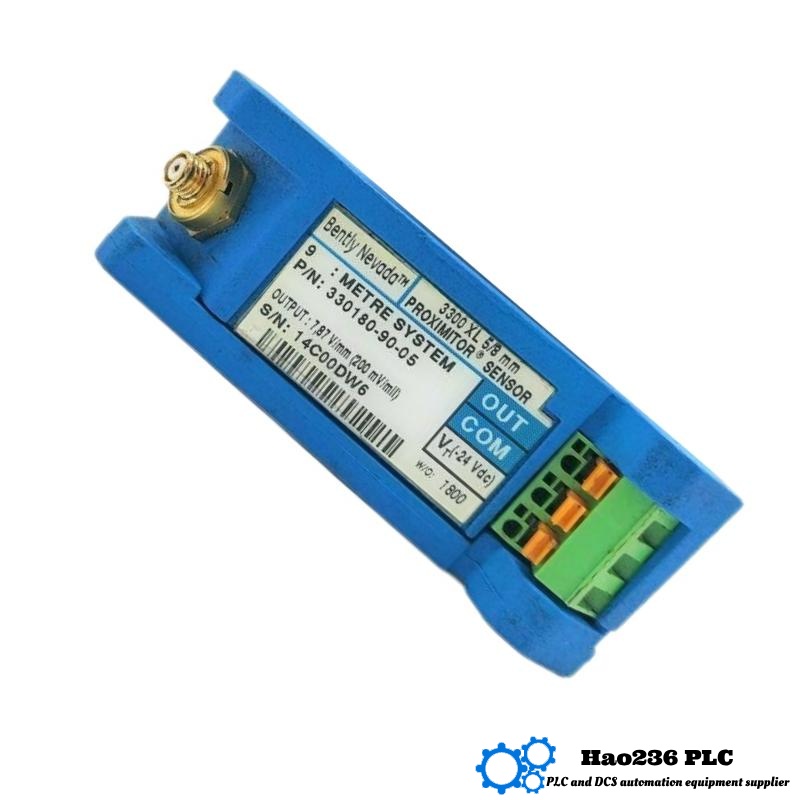
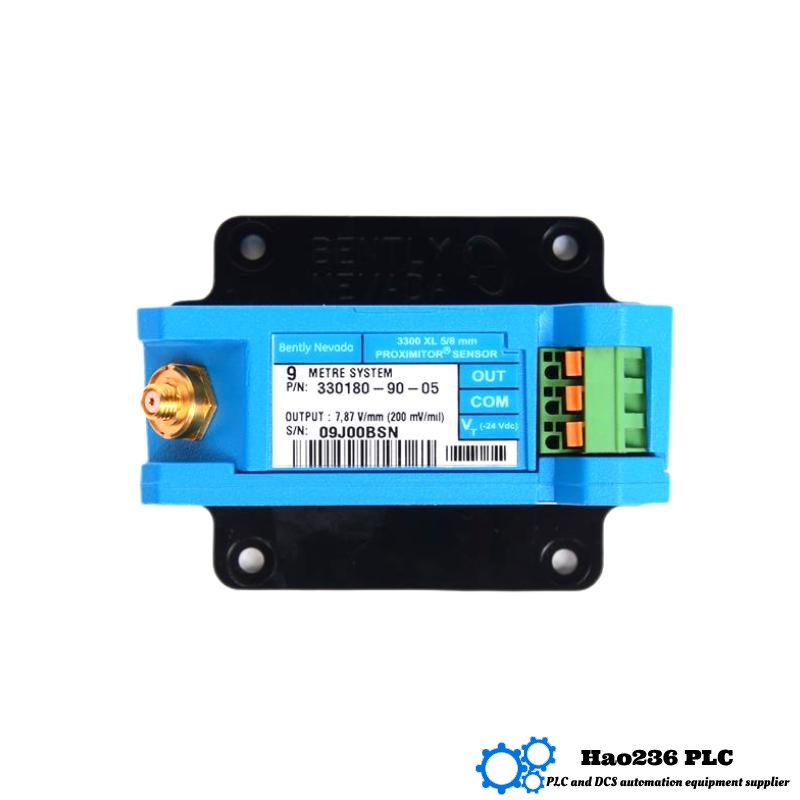
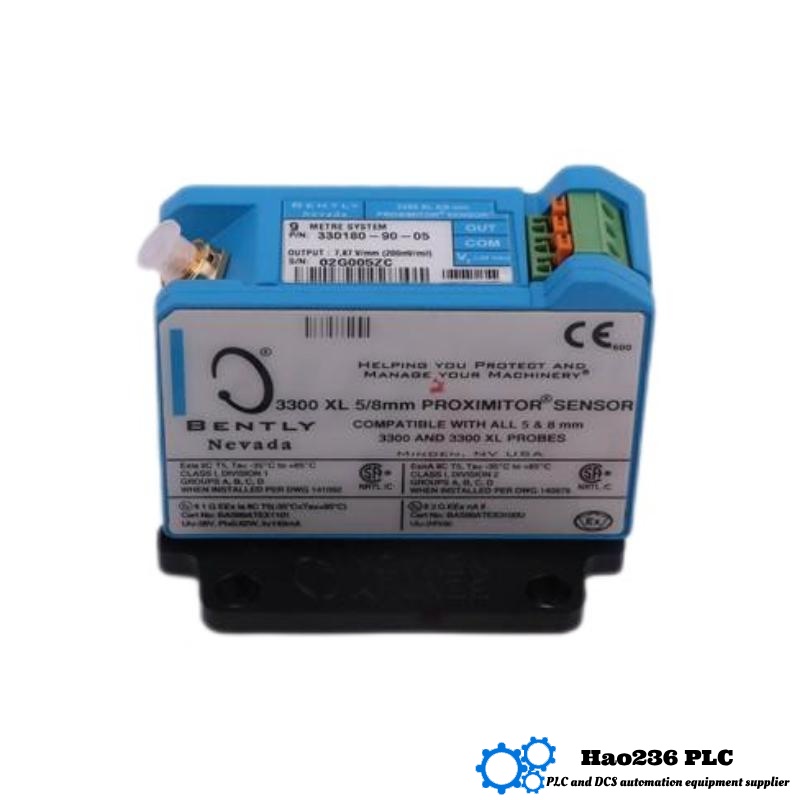
Here are 10 common technical questions & answers about the 330180‑90‑05.
Q1: Does 330180‑90‑05 require separate certification to be used in hazardous environments?
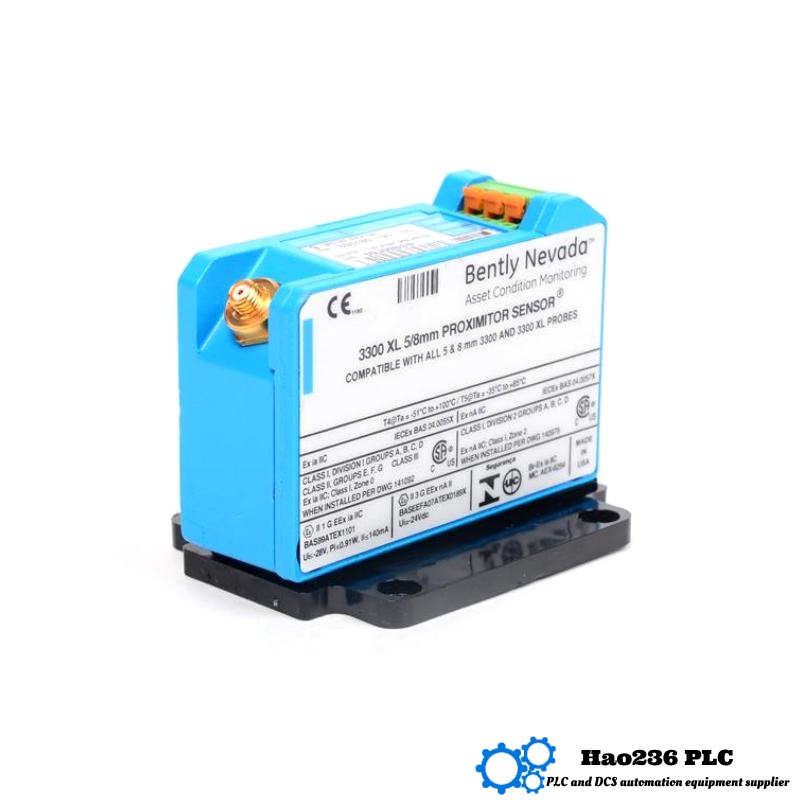
A1: No extra certification is required since the “05” suffix indicates it includes multiple agency approvals (CSA, ATEX, IECEx). That makes it compliant for many hazardous area installations.
Q2: If I already have a 3300 XL probe and extension cable, will they work with this model?
A2: Yes. It is fully compatible with 3300 standard 5 mm and 8 mm probes, as well as 8 mm XL probes and extension cables.
Q3: What is the typical step response / frequency bandwidth?
A3: It supports a frequency response from DC (static) up to about 10 kHz, which covers most vibration monitoring needs for rotating machinery.
Q4: How accurate is the output? Can I trust the linearity?
A4: When calibrated as a full system (probe + cable + sensor), linearity is very good (on the order of ~0.02 mm of deviation over the calibrated range). Including interchangeability deviations, the error grows but remains acceptable for most monitoring applications.
Q5: What is the effect of operating temperature extremes?
A5: Within its operating range (approx. ‑51 °C to +100 °C), output drift is limited. Outside that, drift increases — care should be taken in hot or cold ambient conditions, especially for long‑term signal stability.
Q6: What power supply voltage is required, and what happens if voltage is marginal?
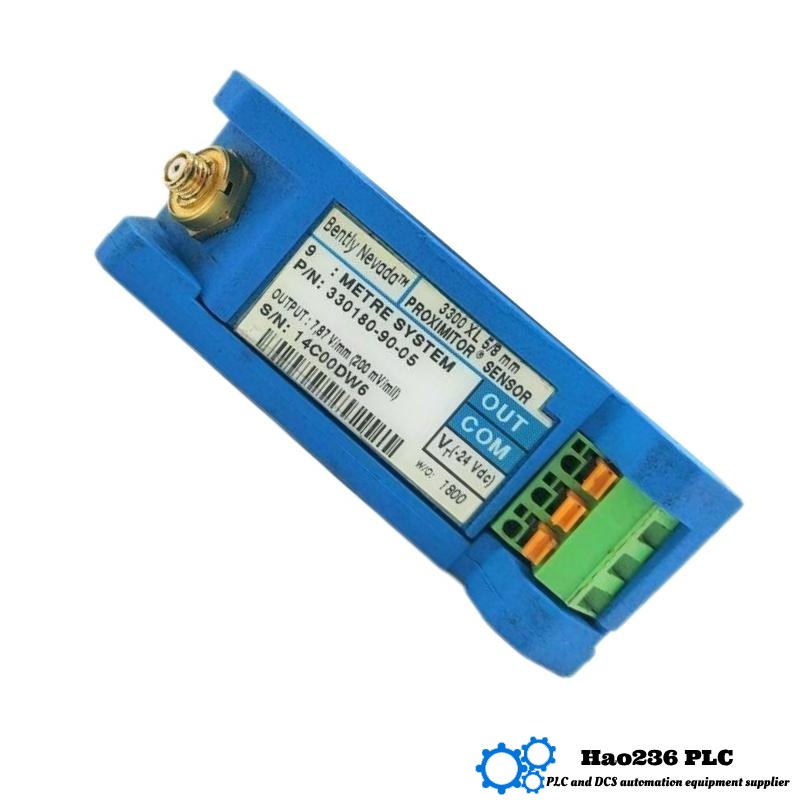
A6: It typically requires around −24 Vdc (with non‑incendive circuit). If voltage is closer to the lower bound, the linear range can suffer; sensitivity may drop or become nonlinear near ends of range.
Q7: Is this model discontinued?
A7: Many suppliers mark it as “discontinued by manufacturer”, though inventory remains available in many channels. If planning long‑term maintenance, consider stock or alternate replacement models.
Q8: What is the typical probe‑target gap, and what happens if gap is too large or too small?
A8: A common gap is ~1.27 mm (50 mils). If gap bigger than design, sensitivity reduces, signal weaker, linear range might be shorter; if too small, risk that probe might hit target, also increased nonlinearity or damage.
Q9: What is the weight and size for purposes of mounting and enclosure design?
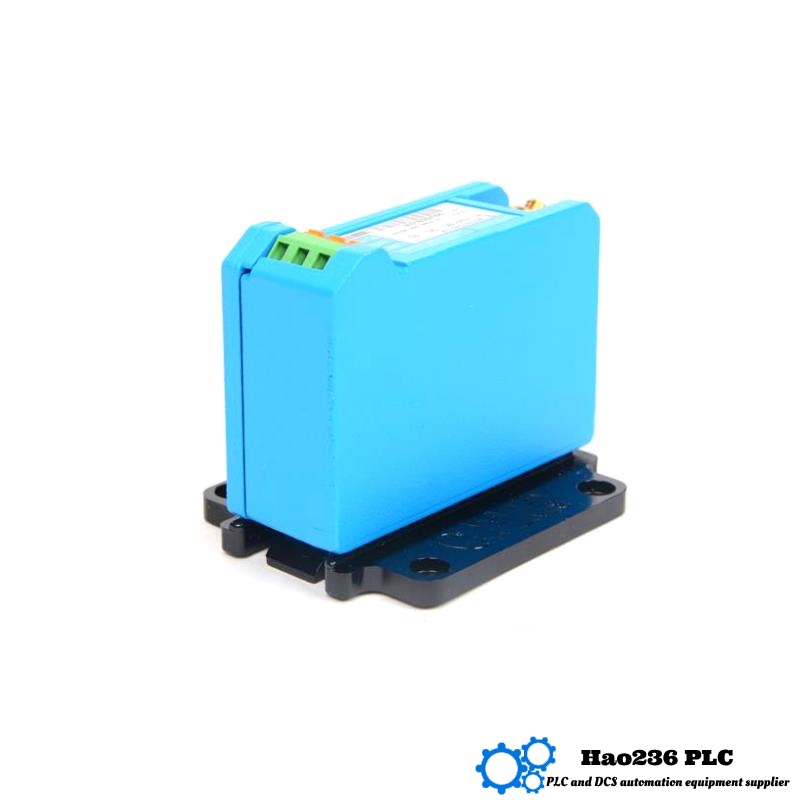
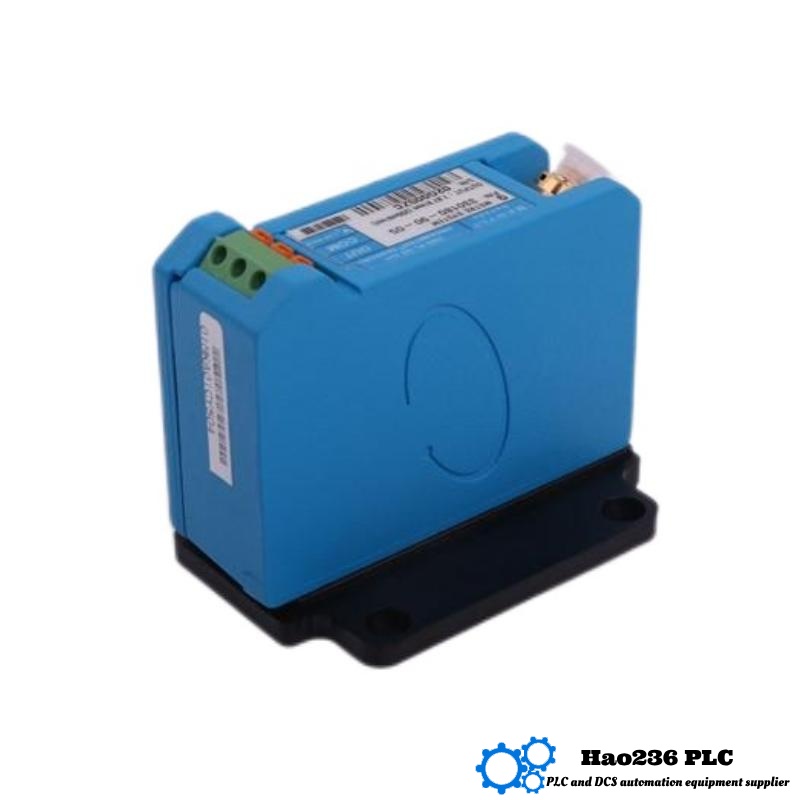
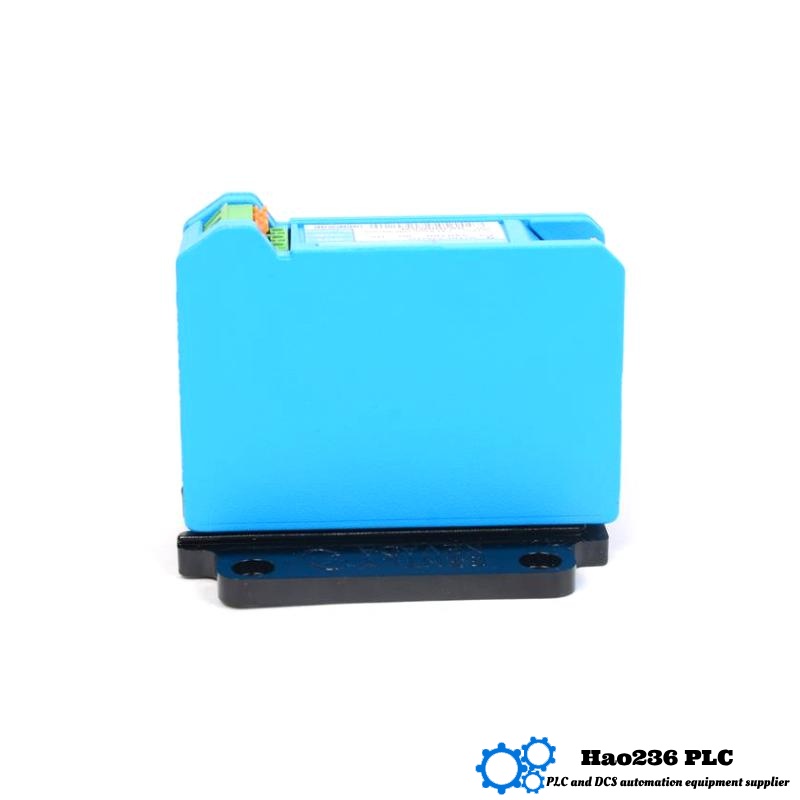
A9: Approx. 7.9 cm × 6.2 cm × 6.3 cm; weight ~0.25 kg. Should be accounted for when designing panel cutouts or mounting brackets.
Q10: What failure modes are common, what to watch out for in field use?
A10: Some common issues: loose connectors, damaged or corroded probe tips or extension cable, power supply fluctuation, environmental contamination (oil, moisture), vibration or shock beyond design limits, misalignment or incorrect gap setup, insufficient cooling or ventilation around the sensor body.
Related Products
Copyright @ 2026 Automations
XML|Links:
No:77501