4. Frequently Asked Questions (Q&A)
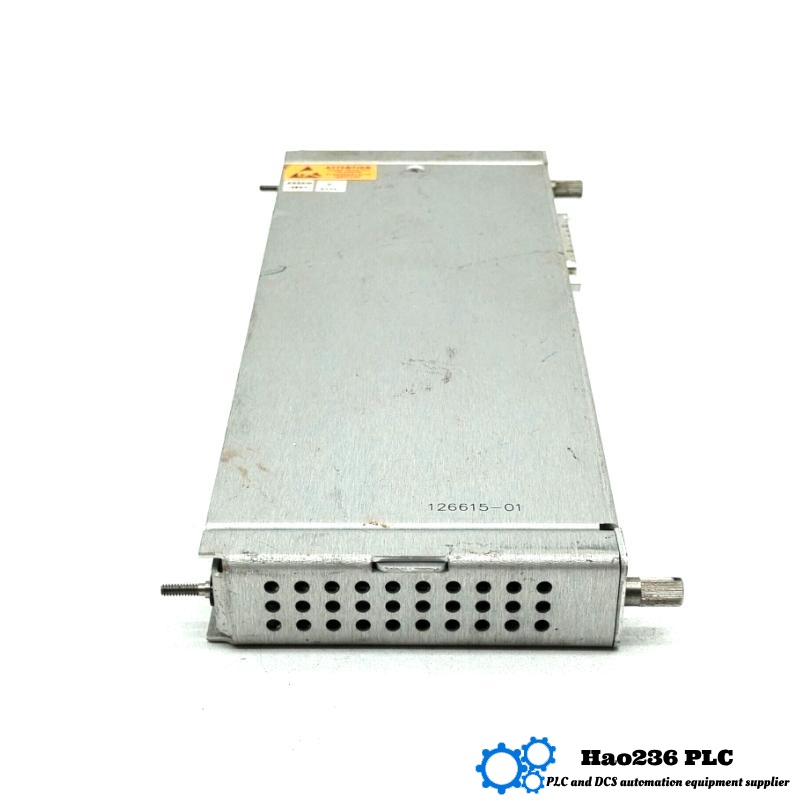
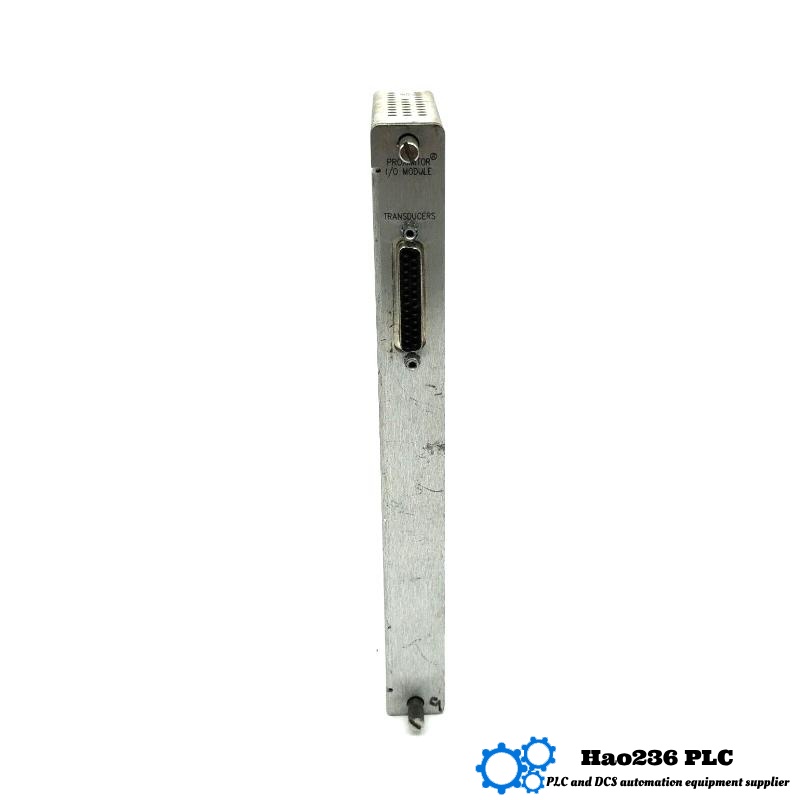
Q1: What inputs can 3500/40 126615‑01 accept?
A1: It accepts ±10 V DC signals from proximity transducers or seismic sensors, allowing accurate condition detection.
Q2: How is it powered?
A2: The module draws approximately 10.5 W from the rack’s power distribution system.
Q3: What kind of communication does it support?
A3: Data is transmitted via sturdy 100Base‑FX fiber‑optic Ethernet, ideal in electromagnetic environments.
Q4: Can it detect seismic activity as well as vibration?
A4: Yes—it is specifically designed as a seismic monitor within a modular I/O lineup.
Q5: How compact is this module?
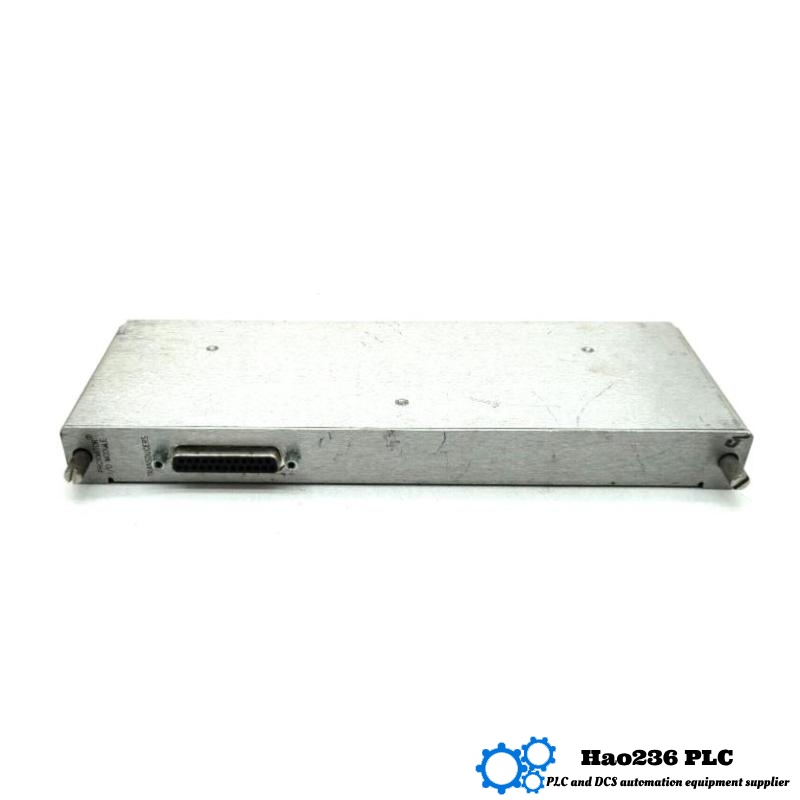
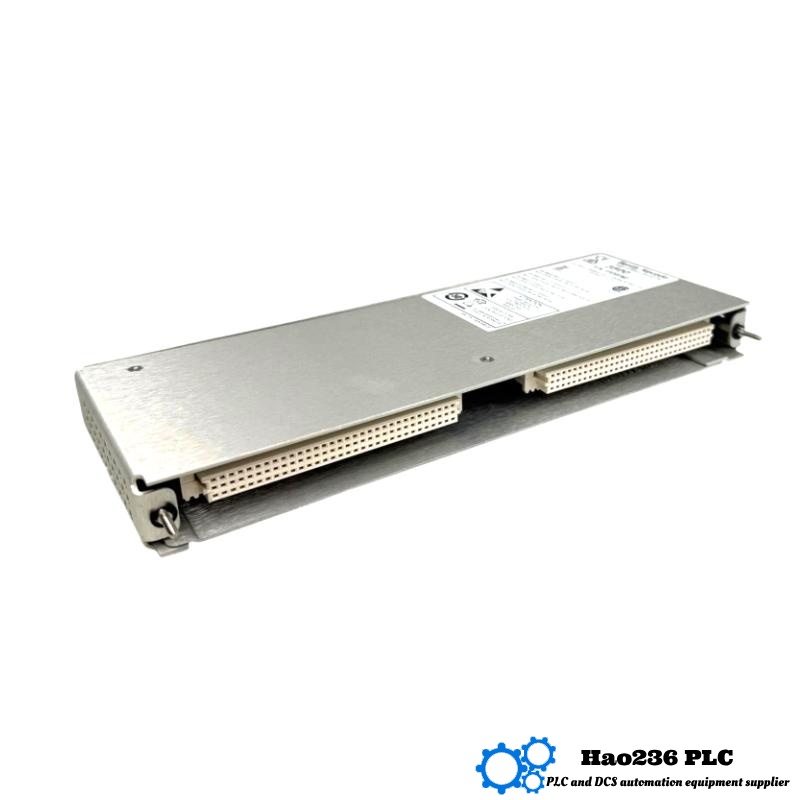
A5: With dimensions of 24.1 × 11.4 × 2.5 cm and weight around 0.39 kg, it saves valuable rack space.
Q6: Is it hot‑swappable in the rack?
A6: The design allows for convenient insertion and removal within the 3500 rack, simplifying maintenance.
Q7: What temperature range does it accommodate?
A7: It reliably operates across –30 °C to +65 °C environments without performance degradation.
Q8: Can it work together with vibration and position modules?
A8: Yes—it integrates alongside vibration, position, and other modules in the 3500 series for comprehensive monitoring.
Q9: What kind of alarms can it trigger?
A9: Users can configure alert and danger thresholds for each monitored channel, allowing early detection and shutdown.
Q10: What sets this module apart from standard I/O options?
A10: Its seismic capability, fiber-optic communications, and compact lightweight design make it ideal for high-integrity, space‑limited installations.
Related Products
Copyright @ 2026 Automations
XML|Links:
No:77501