-
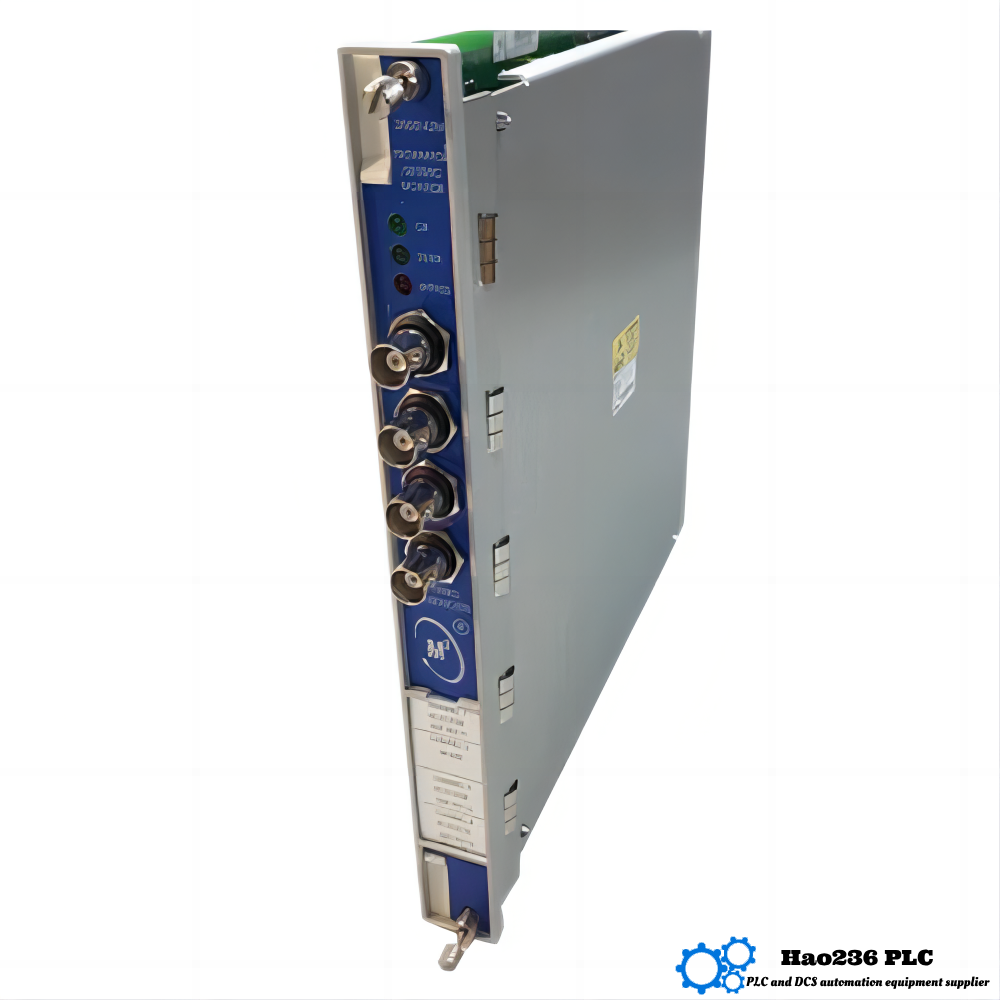
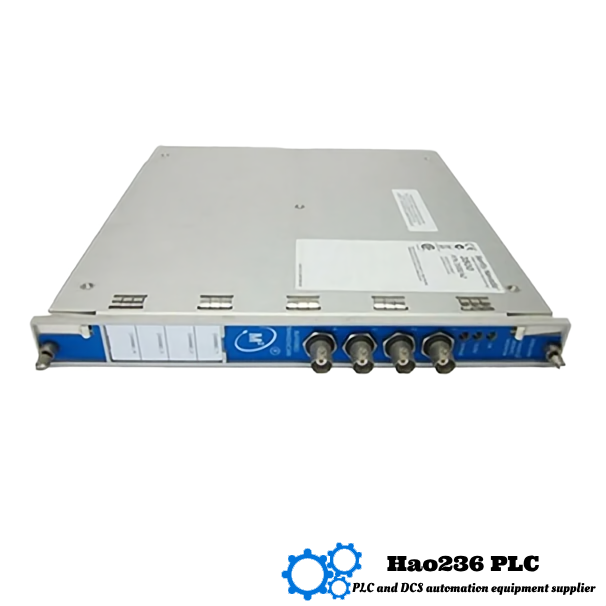
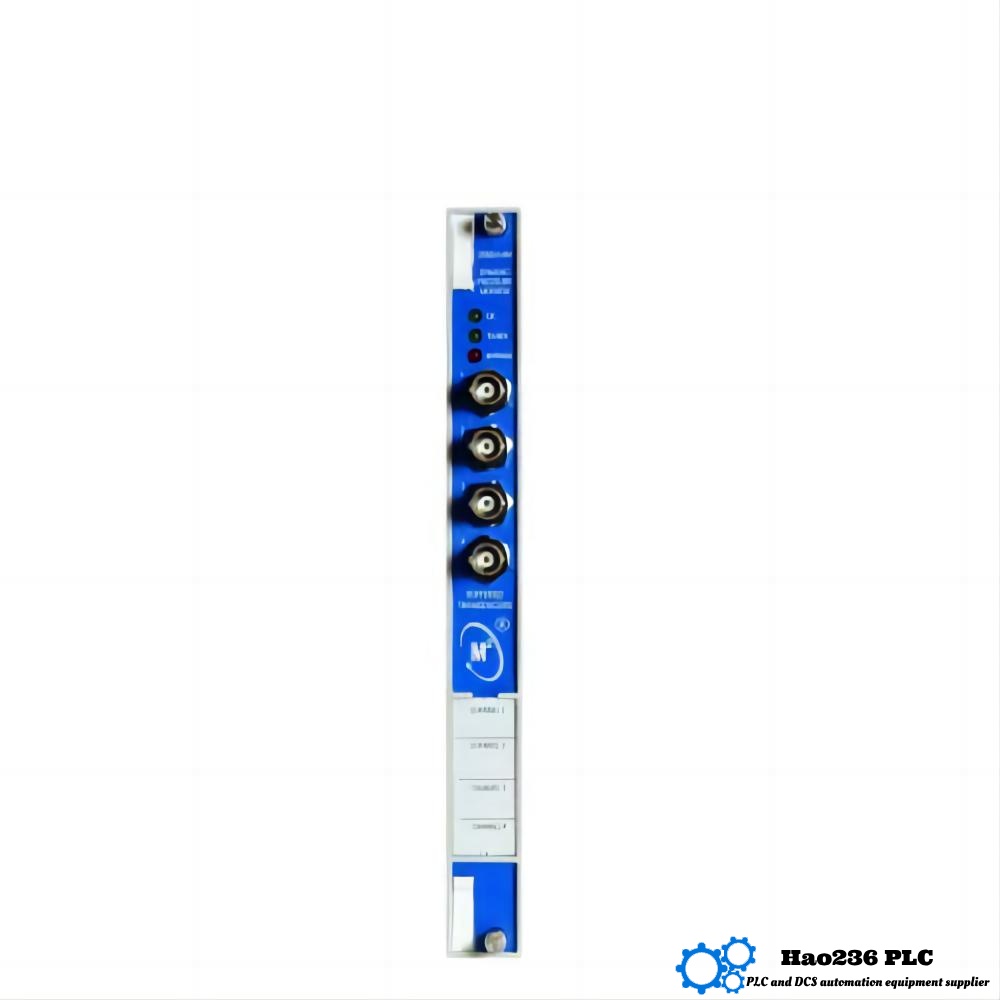
Q: How do I mount the 3500/64M module?
A: You clip it onto a standard 35 mm DIN‑rail or slide it into a compatible rack, securing with panel screws for extra stability.
-
Q: What’s the difference between analog and HART output?
A: Analog (4–20 mA) gives a continuous signal, while HART overlays digital communication, enabling querying of diagnostics and settings without disrupting the analog.
-
Q: Can I use the module outdoors?
A: Yes—as long as it remains within its –40 °C to +85 °C range and receives a clean 24 V DC power supply, it performs reliably even in outdoors-like harsh conditions.
-
Q: What maintenance is required?
A: Minimal—just check for secure mounting, clean any dust or coating from vents, and verify the connectors remain free of corrosion.
-
Q: How fast does it detect vibration changes?
A: It has a response time of less than 100 ms, so it captures transients almost instantly.
-
Q: If the module fails, can I hot‑swap it?
A: Yes—the modular rack design allows you to replace a failed module quickly without powering down the entire rack.
-
Q: What protections does the enclosure provide?
A: IP‑66 protection shields against dust and powerful water jets, making the module fit for wash‑down or dusty factory environments.
-
Q: What certifications allow safe use in hazardous locations?
A: It is certified for Zone 2 installations, meaning it’s safe for use where flammable gases may occasionally be present in non‑continuous quantities.
-
Q: How much power does it draw?
A: It consumes under 5 W, keeping energy use low while allowing multiple modules in a rack without significant heat buildup.
-
Q: Does it require calibration?
A: It’s factory-calibrated and typically doesn’t need recalibration under normal conditions. If doubts arise after extreme events, field verification with a calibrated check source is recommended.