-
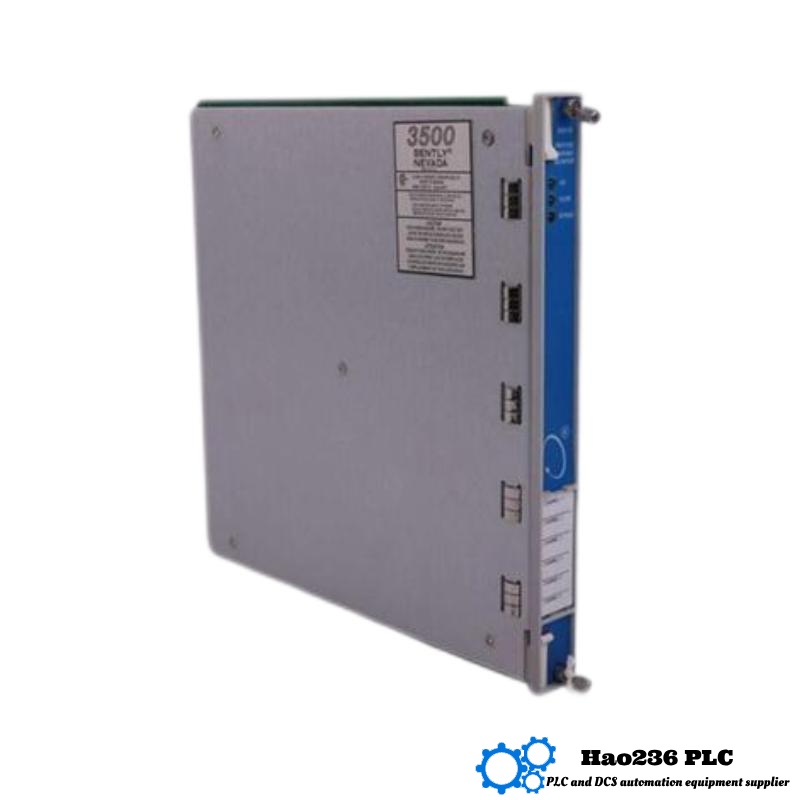
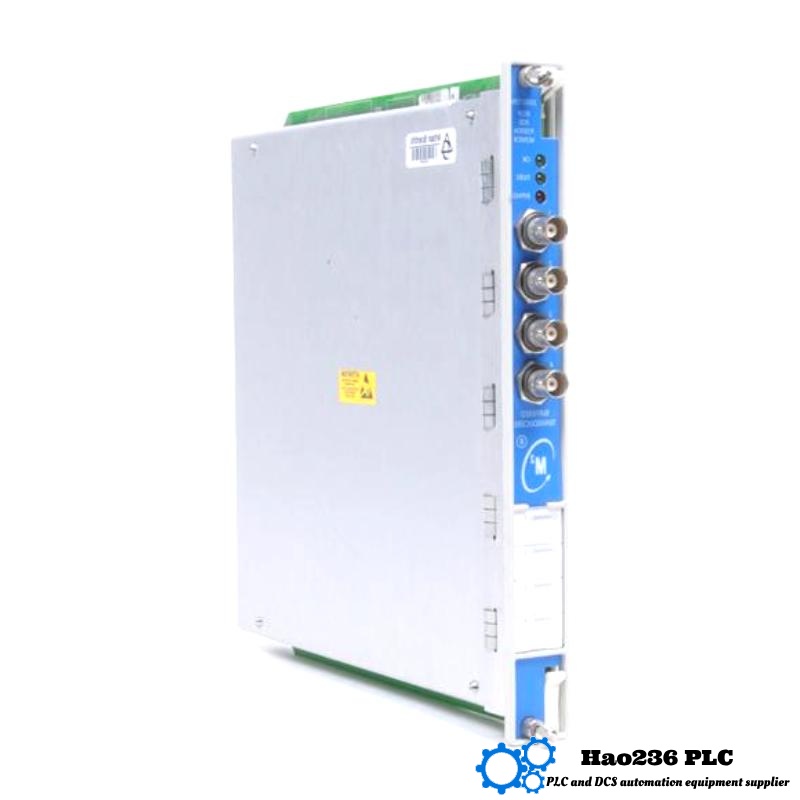
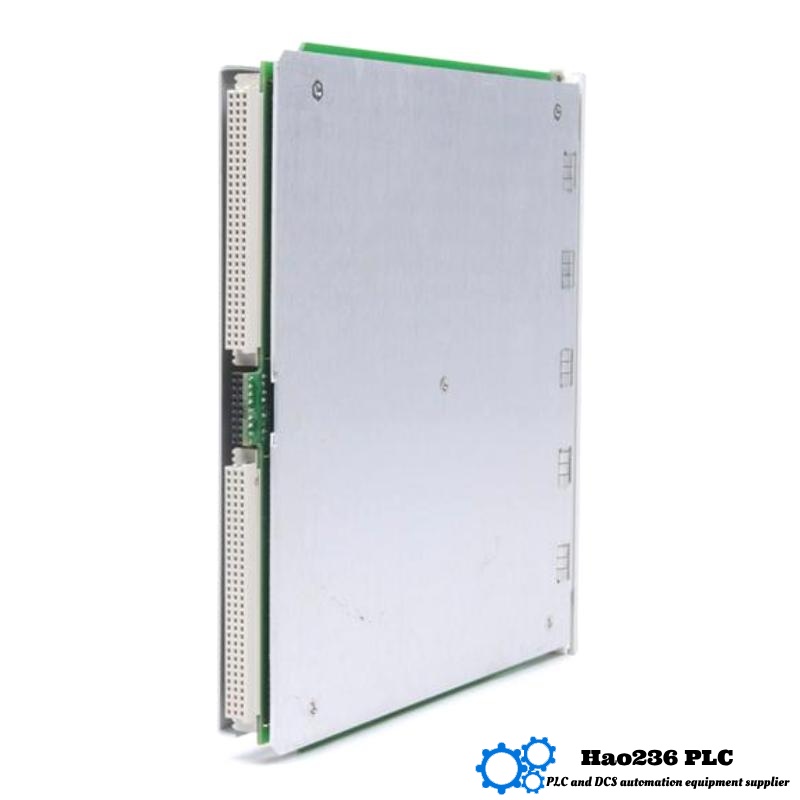
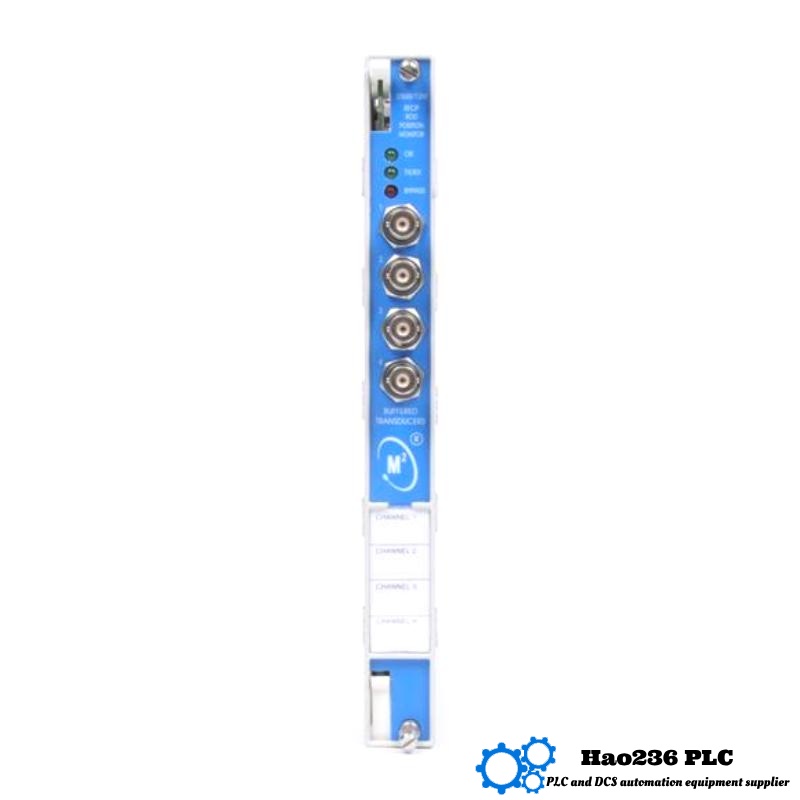
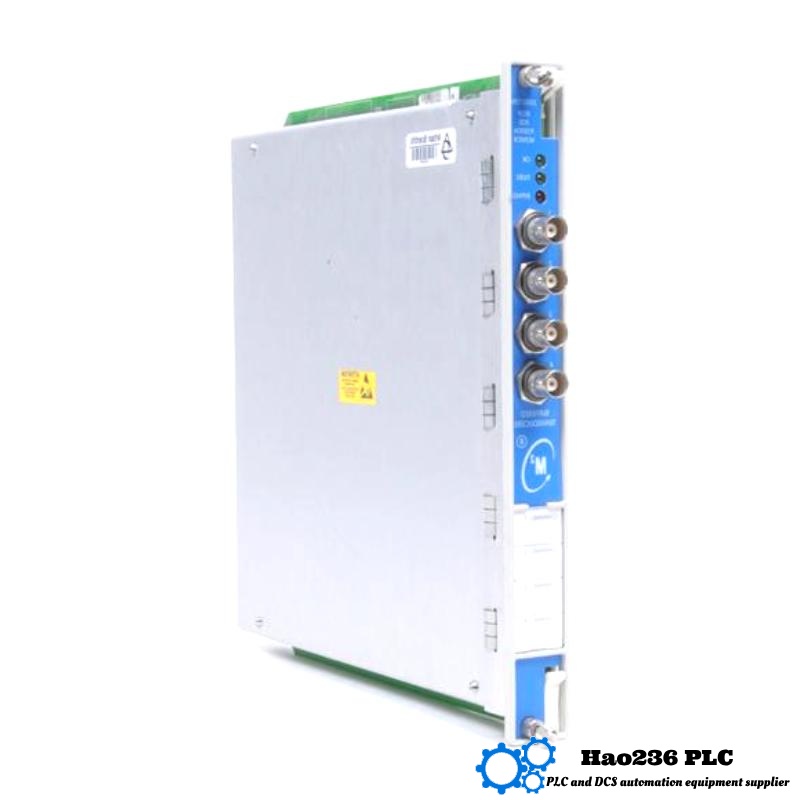
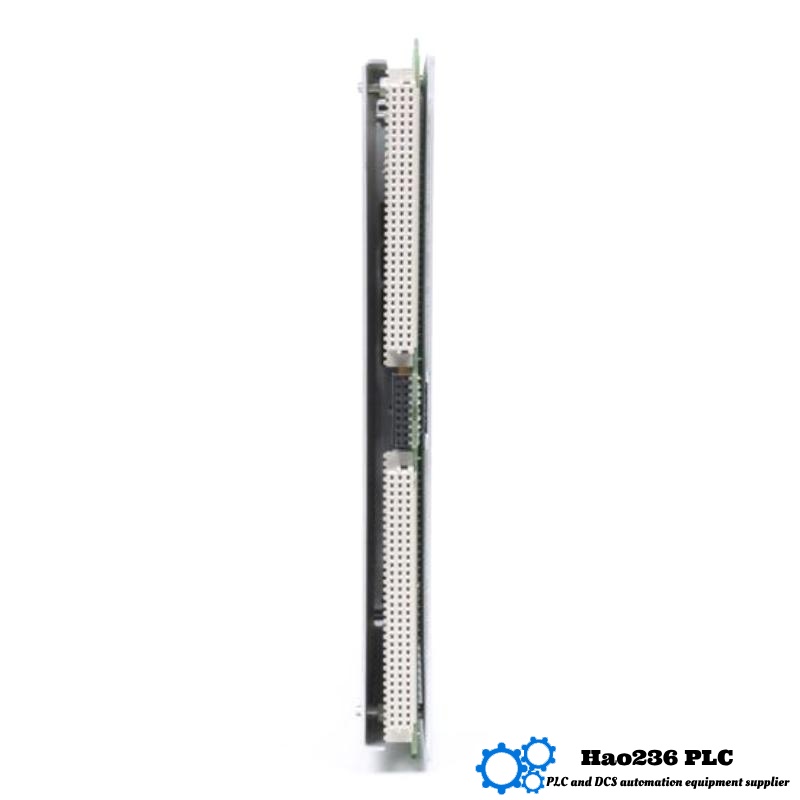
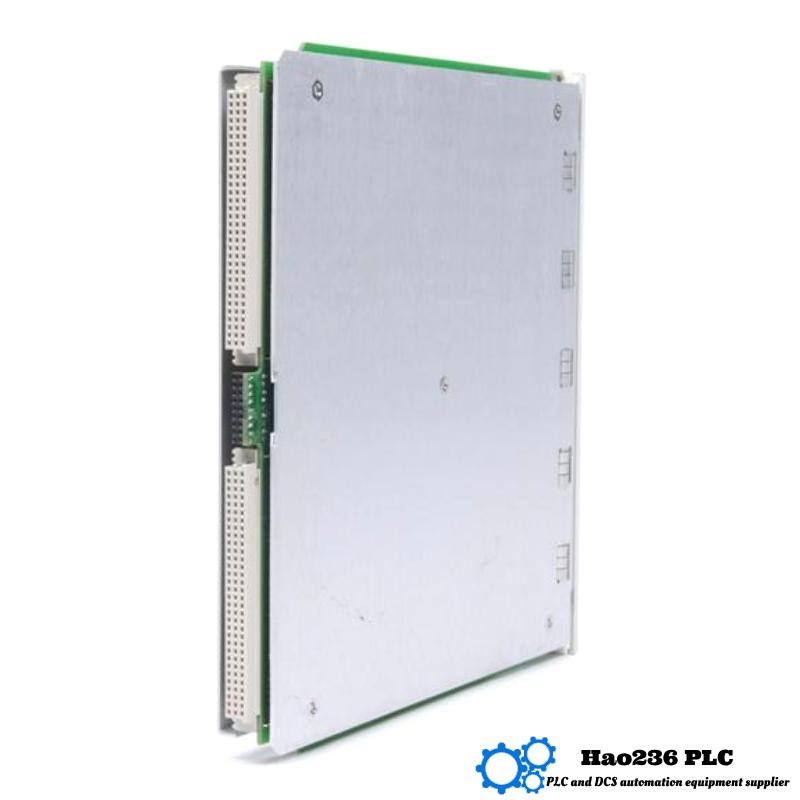
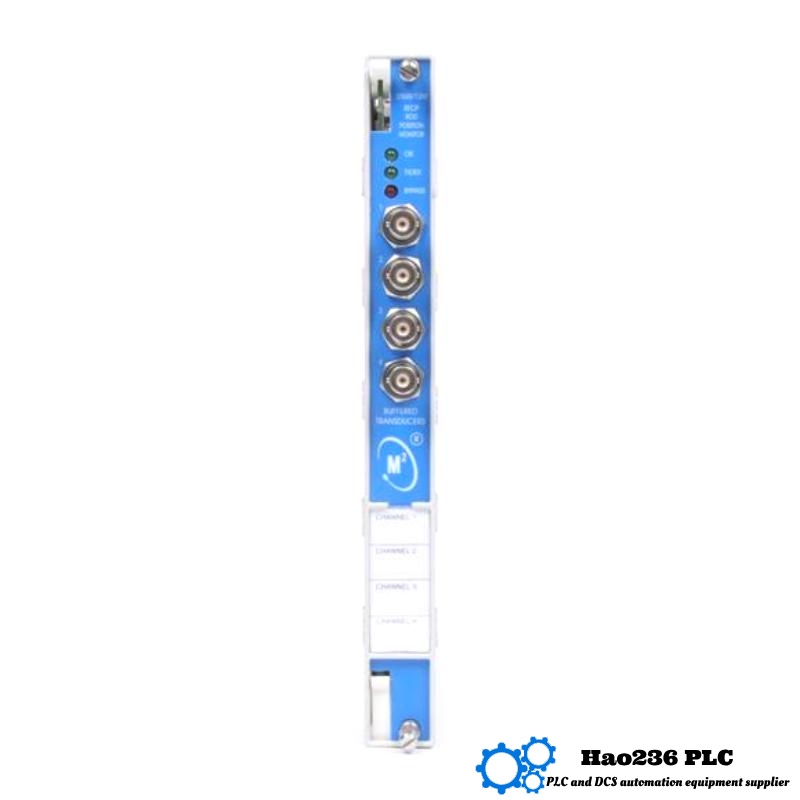
Q: How do I install the 3500/72 176449‑08 + 135489‑01 transmitter?
A: Slide it into the module rack until it clicks, then ensure the DIN clip locks it in place. Installation requires no tools and is secure once latched.
-
Q: What is the purpose of having Ethernet/IP output?
A: Ethernet/IP enables high‑speed digital data communication, allowing real‑time vibration data to be monitored across modern networked control systems.
-
Q: Can this be used in environments exposed to water spray?
A: Yes—the IP‑65 enclosure is built to withstand dust and jets of water, making it suitable for industrial areas with wash‑downs or stray spray.
-
Q: Why is SIL 2 important?
A: SIL 2 certification ensures the device meets safety standards for reliable alarm and trip functions in critical systems.
-
Q: How much power does the module use?
A: Its power draw stays below 5.5 W even when both analog and Ethernet/IP outputs are active, ensuring efficient energy usage in multi‑module setups.
-
Q: How quickly does it respond to changes?
A: Changes in monitored vibration signals are reflected in the output in under 120 ms—ideal for prompt monitoring and intervention.
-
Q: Is calibration frequently required?
A: It ships factory‑calibrated and maintains precision. Occasional checking with reference equipment is sensible, but recalibration is rarely needed unless performance issues emerge.
-
Q: What maintenance is required?
A: Maintenance is minimal—just keep electrical connections clean, rack insertion slots free of debris, and ensure the enclosure remains properly sealed.
-
Q: What input voltage range is supported?
A: The module runs on 24 V DC with a tolerance of ±10 %, which means that operation remains solid between 21.6 V and 26.4 V.
-
Q: Can I replace the module without stopping the system?
A: Yes—the rack’s slide‑in, latch design supports hot‑swapping. You can exchange the module without shutting down adjacent units, minimizing disruption.