FAQ (Q&A)
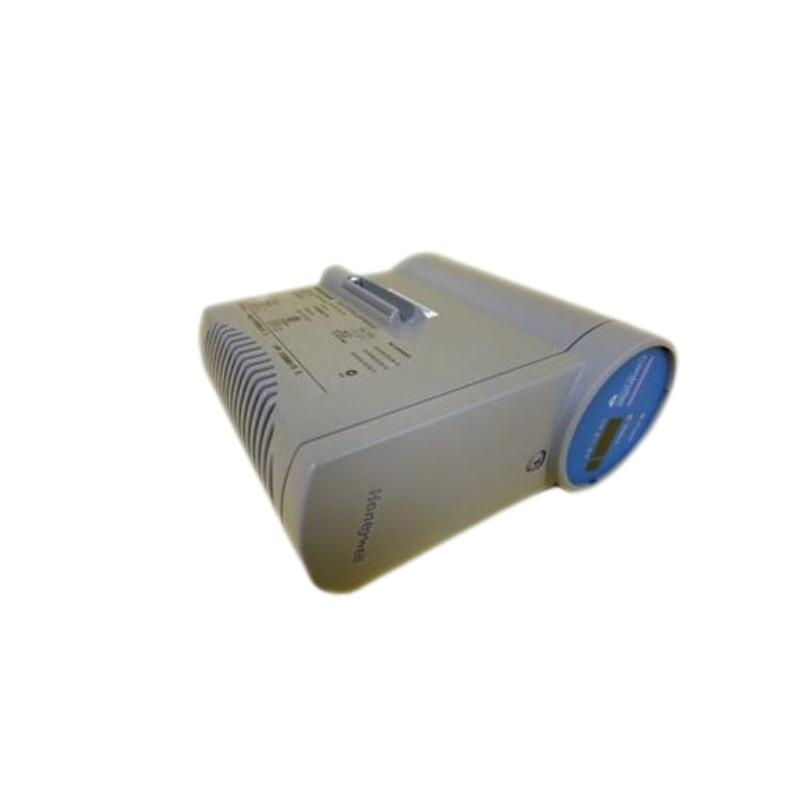
Q1: What is the Honeywell CC-PFE221 used for?
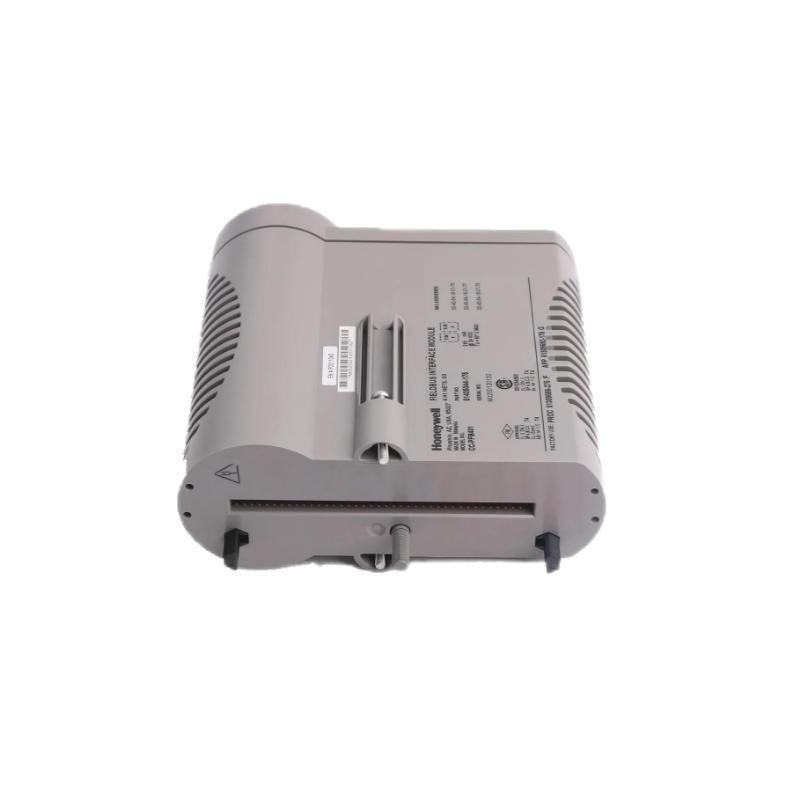
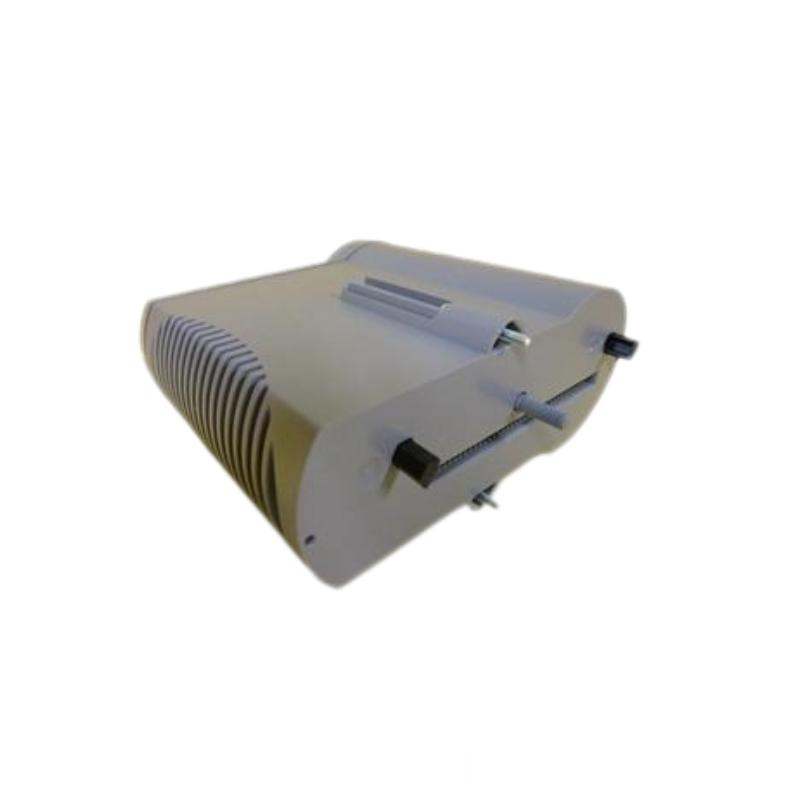
A1: The CC-PFE221 is a fiber optic extender module that extends communication distances in industrial automation systems, ensuring reliable data transfer even in environments with electromagnetic interference (EMI).
Q2: How far can the CC-PFE221 extend communication?
A2: The CC-PFE221 can extend communication up to several kilometers, depending on the fiber optic cable used and system configuration.
Q3: What type of fiber optic cable does the CC-PFE221 support?
A3: The CC-PFE221 supports multi-mode fiber optic cables, using SC connectors for easy installation.
Q4: What power supply does the CC-PFE221 require?
A4: The module requires a 24V DC power supply with a ±10% tolerance.
Q5: What is the operating temperature range for the CC-PFE221?
A5: The module operates in temperatures ranging from –40°C to +70°C.
Q6: Can the CC-PFE221 be used in hazardous environments?
A6: While the CC-PFE221 is not specifically rated for hazardous environments, Honeywell offers other products for such applications.
Q7: Is the CC-PFE221 compatible with other Honeywell modules?
A7: Yes, the CC-PFE221 is fully compatible with Honeywell’s Distributed Control Systems (DCS) and other automation components.
Q8: What mounting options are available for the CC-PFE221?
A8: The module can be mounted on a DIN rail or directly onto a panel for easy integration into existing systems.
Q9: How can I install the CC-PFE221?
A9: Installation involves connecting the fiber optic cables using SC connectors and securing the module onto a DIN rail or panel mount.
Q10: Does the CC-PFE221 have any built-in redundancy for critical systems?
A10: For critical systems requiring redundancy, Honeywell offers other modules with built-in redundancy features, such as the CC-PFE223.
Related Products
Copyright @ 2026 Automations
XML|Links:
No:77501