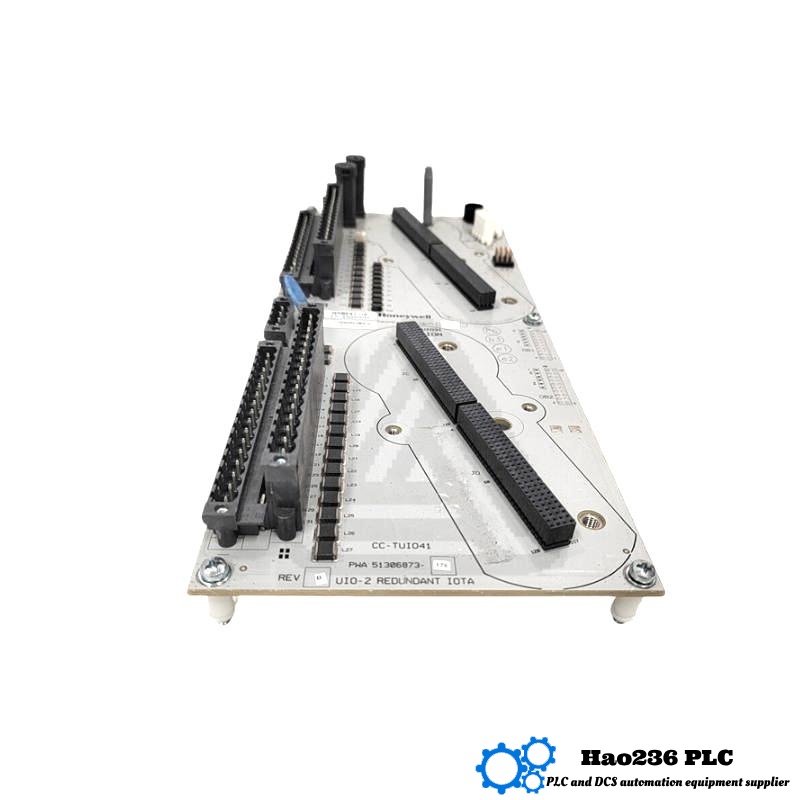
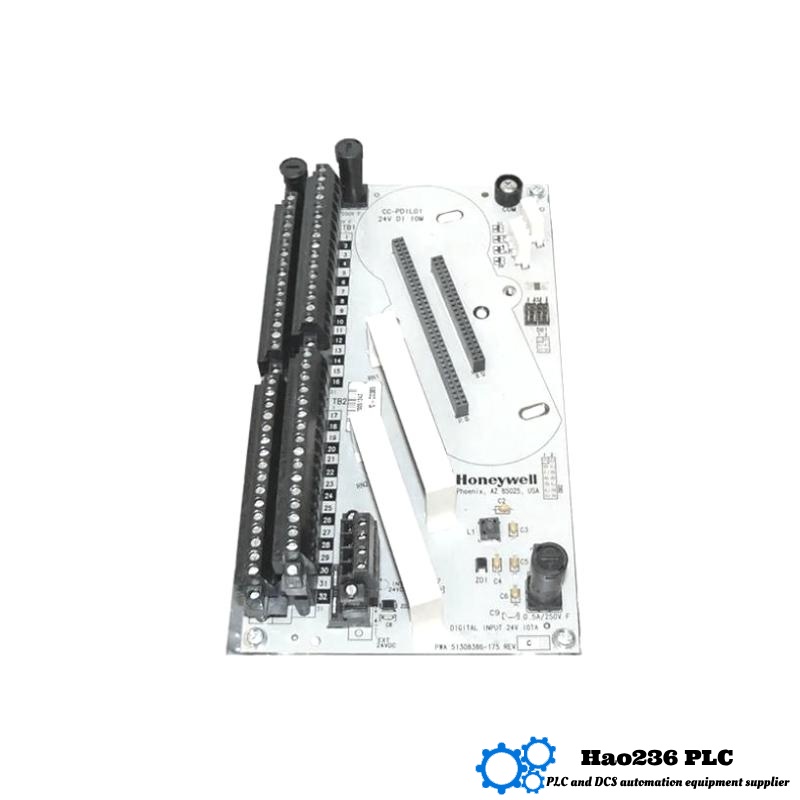
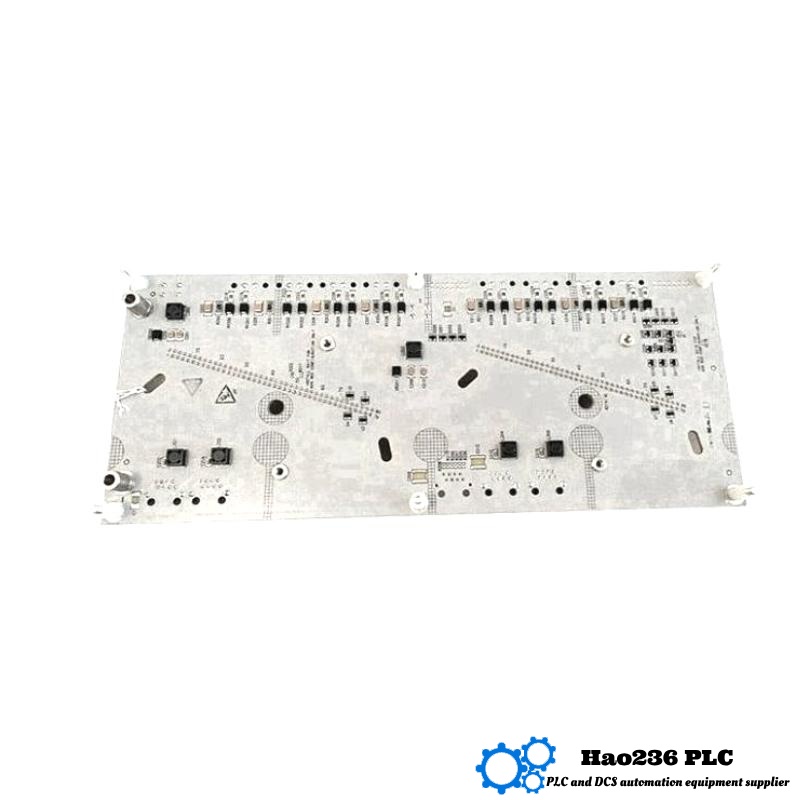
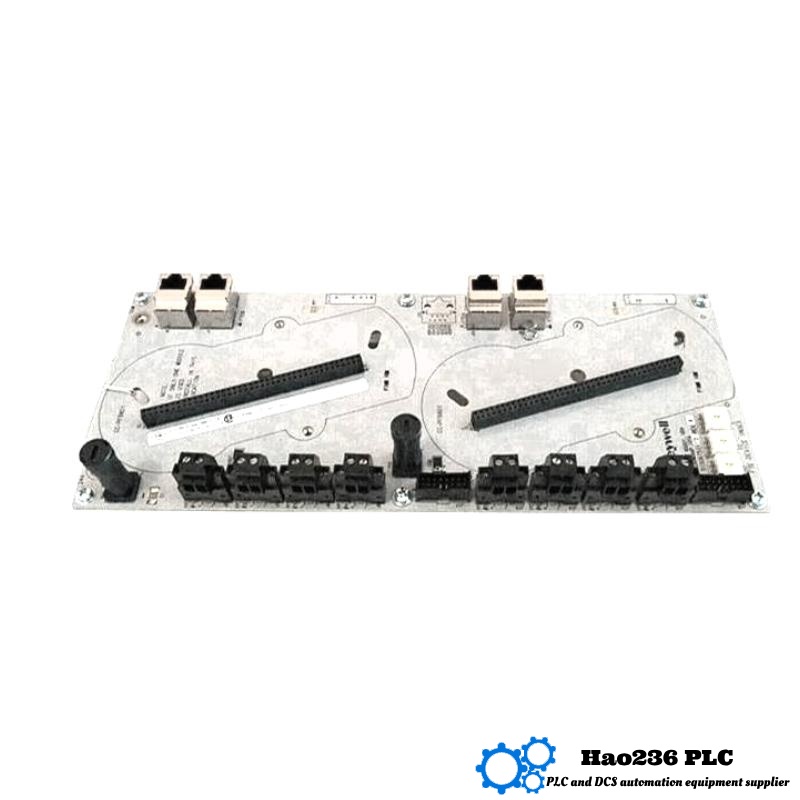
3. Frequently Asked Questions (10 Q&A)
Q1: What is the deployment environment typical for CC‑TUIO11?
A1: It’s used inside control cabinets, remote I/O shelters, or field enclosures connected back to a DCS/PKS control bus. Its compact footprint helps use in distributed or local I/O racks.
Q2: Does it support both analog and digital signals in the same channel?
A2: Yes, it is a universal I/O module, meaning channels can be allocated for analog or digital signals depending on system configuration.
Q3: What is the significance of “redundant configuration support”?
A3: It means that in systems where redundancy is required, two modules or paths can be set such that the failure of one does not disrupt I/O operation — enabling higher system availability.
Q4: What should I verify when installing the module?
A4: Confirm proper 24 V DC power supply, correct wiring of analog/digital signals, firm connection to backplane or bus, proper grounding and shielding, and adequate ventilation for thermal management.
Q5: What happens if the module overheats?
A5: Its heat-channeling design mitigates thermal stress, but if ambient or internal temperatures exceed design limits, signal errors, drift, or module damage may occur. Use forced ventilation or cooling if needed.
Q6: Can it be replaced while system is live?
A6: That depends on the system’s architecture and redundancy. If the control system and backplane support hot-swap and redundant I/O paths, replacement may be possible without halting the system. If not, shutdown may be needed.
Q7: How do I diagnose a faulty module?
A7: Check module status LEDs, communications with host, power supply stability, measure input/output terminals with a multimeter, and refer to system diagnostics logs. If it’s not responding or signals are outside expected ranges, it may be faulty.
Q8: Is this module backward-compatible with older Honeywell I/O systems?
A8: Compatibility depends on the bus interface and control system generation. It is designed for Series‑C / Experion systems; retrofitting into much older systems may require adapters or may not be supported.
Q9: What is the expected lifespan of the module?
A9: Industrial modules of this type are expected to last many years (often over 10 years) under normal conditions, though life expectancy depends on temperature cycling, humidity, power transients, and environmental stress.
Q10: Are there limitations on signal speed / bandwidth?
A10: The published specifications do not clearly state maximum bandwidth. Because it supports general process measurement and control, it’s suited for typical analog / digital scanning speeds. For high-speed signals (kHz range), a specialized high-speed I/O module may be preferable.
Related Products
Copyright @ 2026 Automations
XML|Links:
No:77501