FAQ (10 Q&A) for FC‑RUSFDU‑02
Q1: What exactly is the role of FC‑RUSFDU‑02 in a control system?
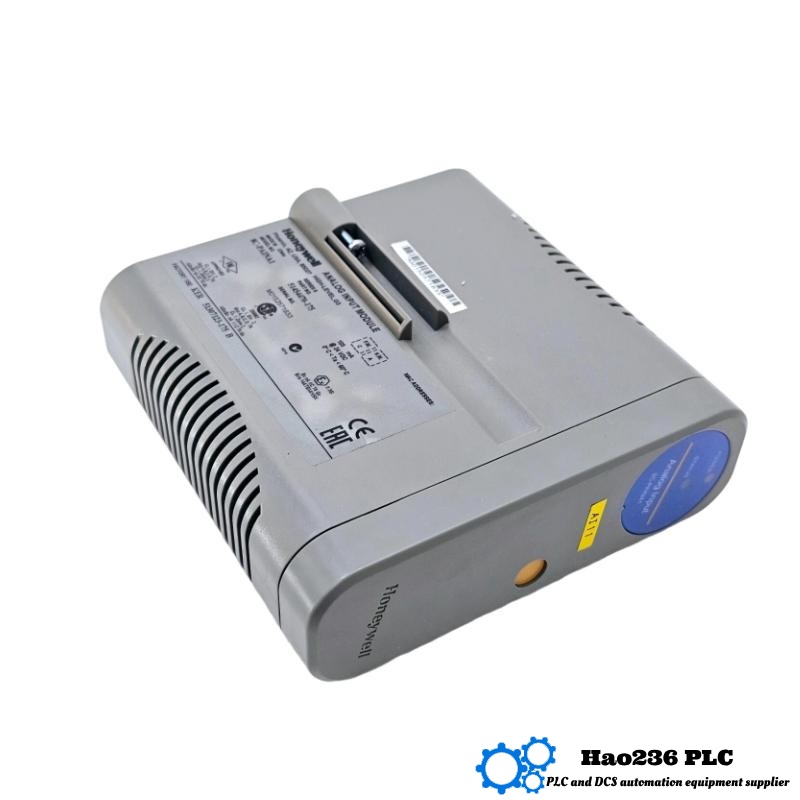
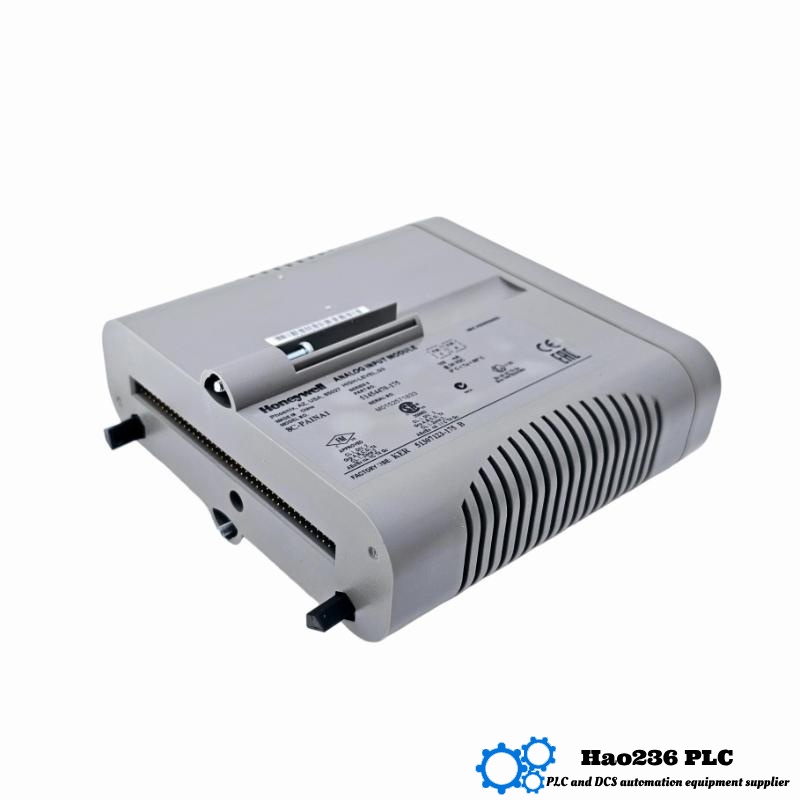
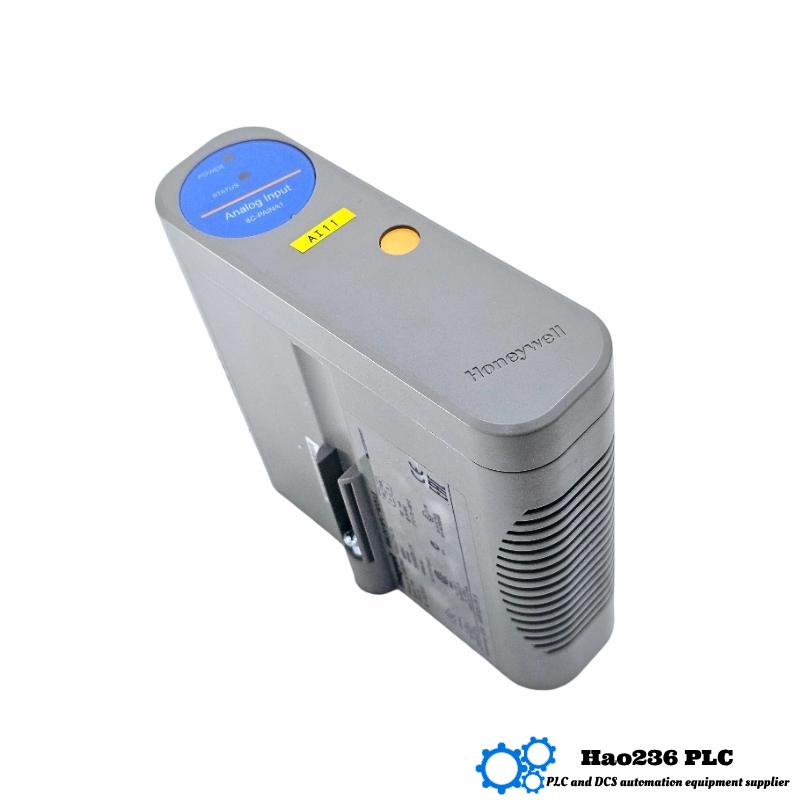
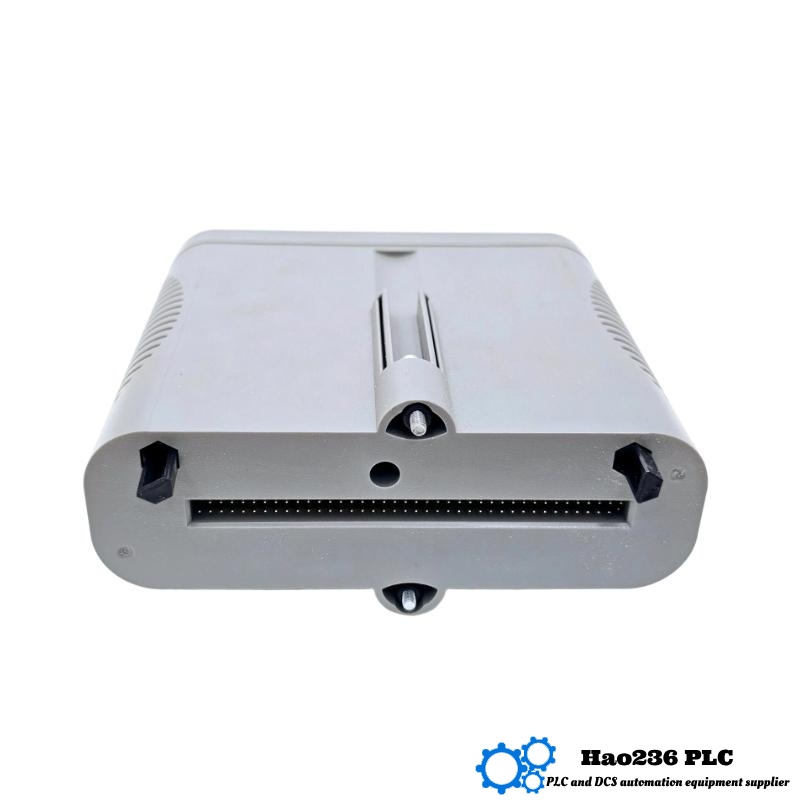
A1: It acts as a terminal / PCB board module that connects many field signals to higher level controllers or remote I/O, organizing wires and providing secure terminations.
Q2: How many channels does it support?
A2: It supports 32 channels for signal/data/control termination.
Q3: What are the physical dimensions and weight of this module?
A3: The dimensions are approximately 3.0 cm × 31.3 cm × 27.8 cm, and it weighs about 0.56 kg.
Q4: What types of connectors are supported?
A4: Types include screw terminals, soldered pads, or other connector styles depending on configuration and application.
Q5: Is this module suitable for harsh industrial environments?
A5: Yes — it is designed using industrial materials, to tolerate vibration, temperature changes, and to maintain reliable connections.
Q6: What certifications does it carry?
A6: It carries CE, TÜV, UL508, and CSA certifications, meaning it meets several international safety and performance standards.
Q7: What is the warranty period?
A7: Usually about 12 months warranty, typical for modules of this type.
Q8: Can this module help fault detection or isolation?
A8: Yes — as a terminal module, it contributes to neat wiring, and in some RUSFDU modules the design supports detecting poor connections or failures in signal path.
Q9: With what systems is FC‑RUSFDU‑02 compatible?
A9: It integrates with Honeywell’s Distributed Control Systems (DCS), Remote I/O racks, terminal boards, and fieldbus systems (TPS / Experion etc.).
Q10: Is maintenance or replacement easier with this kind of module?
A10: Yes — having a terminal board module means wires and signal paths are organized; replacing or checking a faulty channel or connector is simpler.
Related Products
Copyright @ 2026 Automations
XML|Links:
No:77501