8. FAQ – 10 Questions (Q&A style)
Q1: What types of inputs can FC‑TSDI‑16UNI accept?
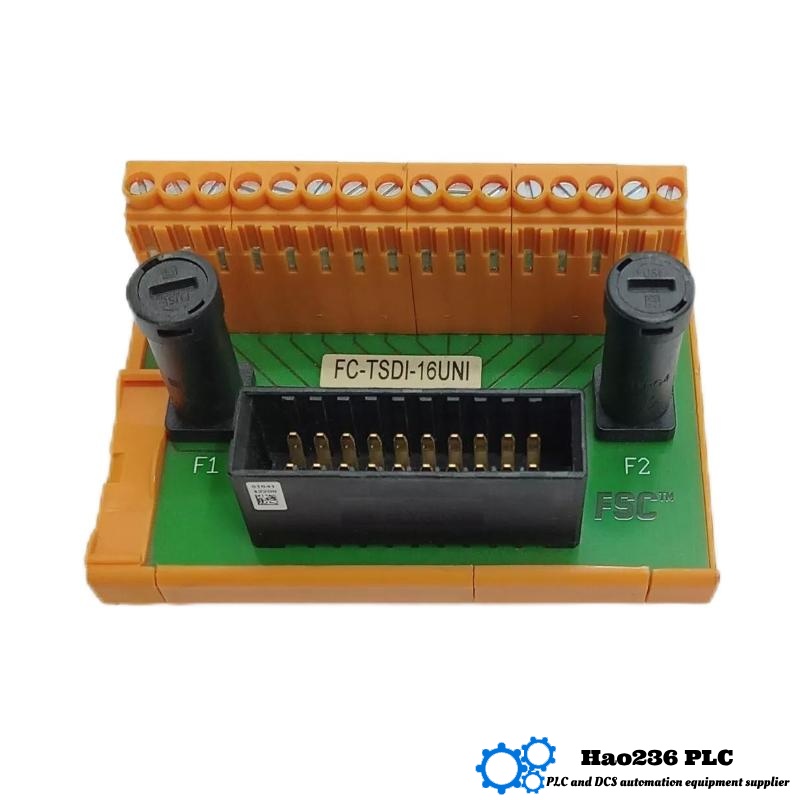
A1: It accepts dry contact, voltage (24/48 V DC), current / NAMUR discrete signals, making it a universal input module.
Q2: How many input channels are supported?
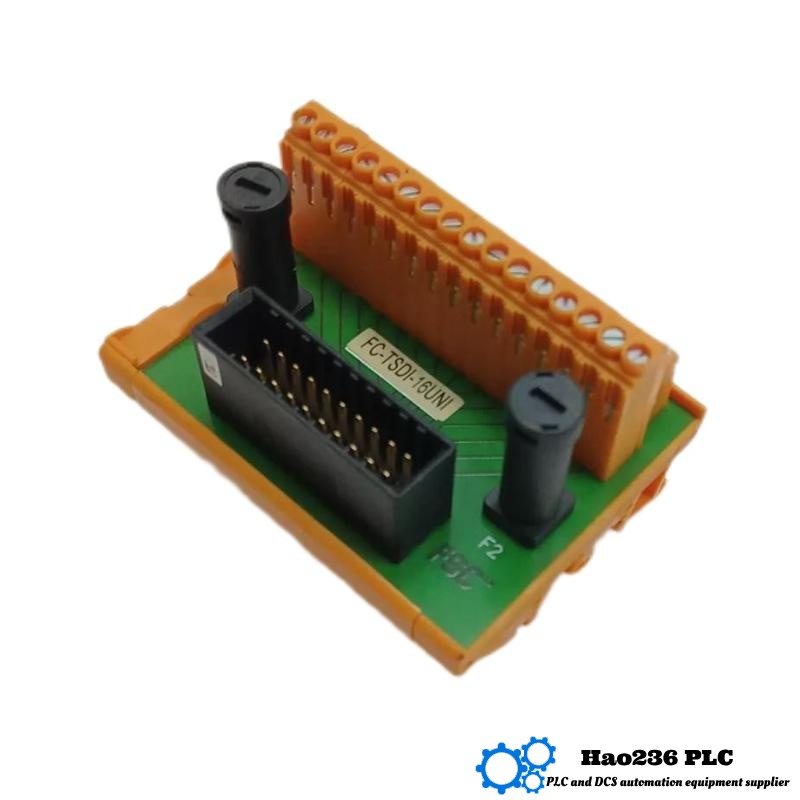
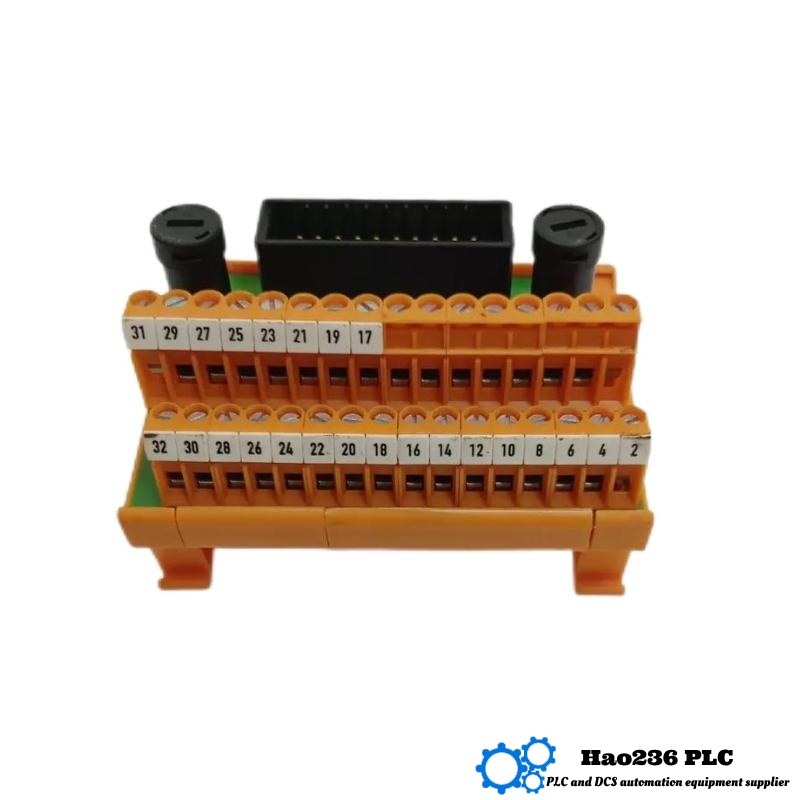
A2: 16 channels, grouped into two sets of 8 each.
Q3: Is there protection against wiring faults?
A3: Yes, each group’s positive line is fused (250 mA), and overvoltage limits apply (50 V / 150 V) to protect against surges or miswiring.
Q4: What are the physical dimensions and weight?
A4: The module is about 90 × 70 × 60 mm in size, and weighs approximately 0.3 kg (300 g).
Q5: How should wiring be done (wire gauge, strip length, torque)?
A5: Use wires up to 2.5 mm² (AWG 14), strip length ~7 mm, and screw tightening torque ~0.5 N·m.
Q6: What ambient temperature range is supported?
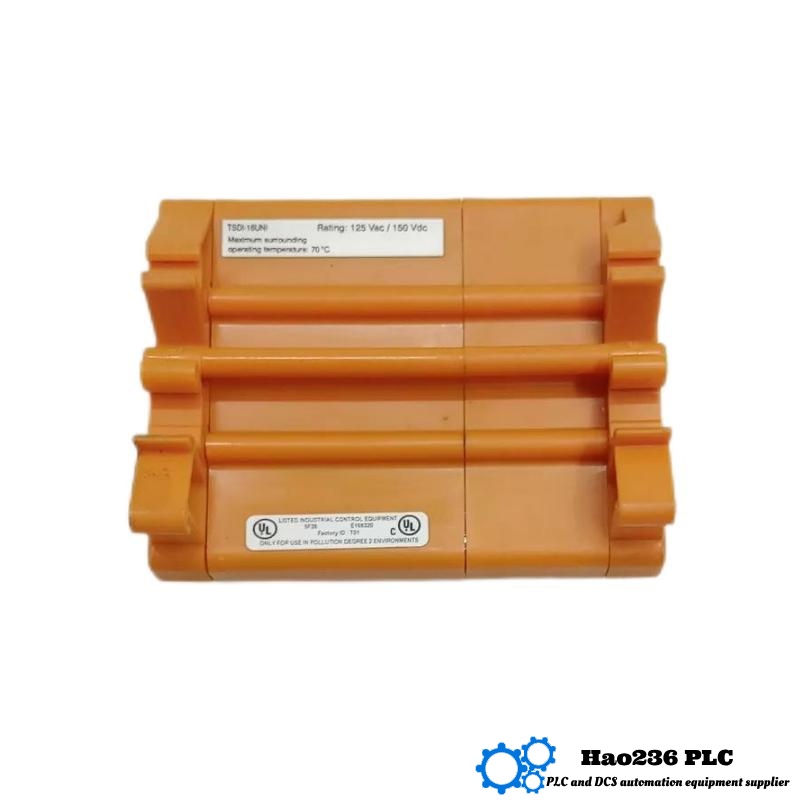
A6: Typically –20 °C to +60 °C for normal operation.
Q7: What is the advantage of the two fused groups?
A7: It helps isolate a fault in one channel or group from impacting the other group, improving system resilience.
Q8: Can this module detect input failures (open circuit, short)?
A8: Yes; it supports diagnostic/fault detection, enabling safety logic to flag input anomalies.
Q9: What safety or certification markings does it carry?
A9: Typical modules include CE, UL, TUV, CSA, FM certifications (as per listings).
Q10: In what kinds of systems is this module used?
A10: It is used in Safety Instrumented Systems (SIS), emergency shutdown systems, burner management, process safety loops, and discrete signal monitoring in industrial plants.
Related Products
Copyright @ 2026 Automations
XML|Links:
No:77501