FAQ (10 Questions)
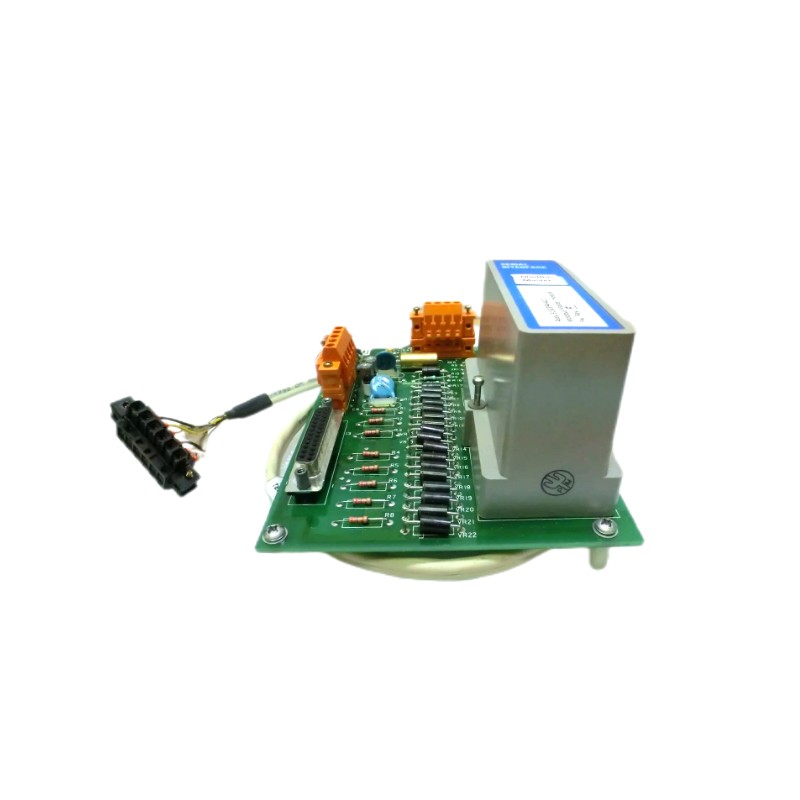
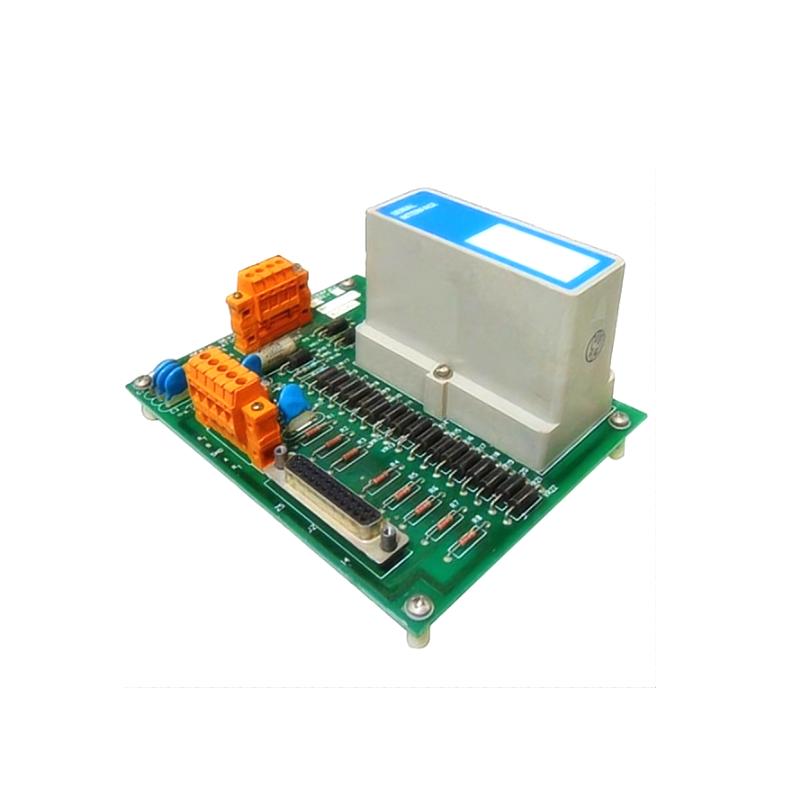
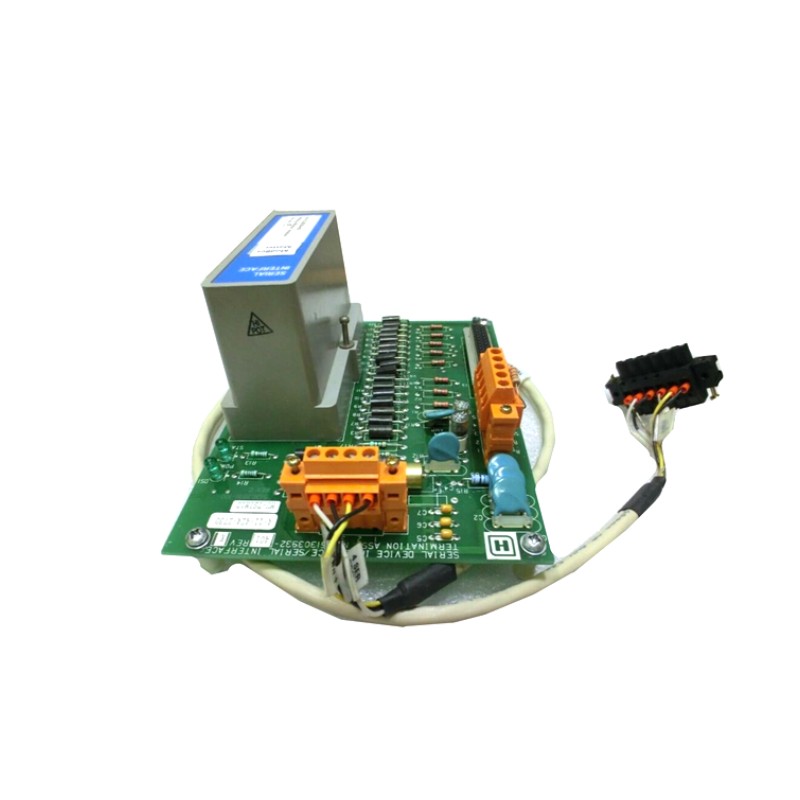
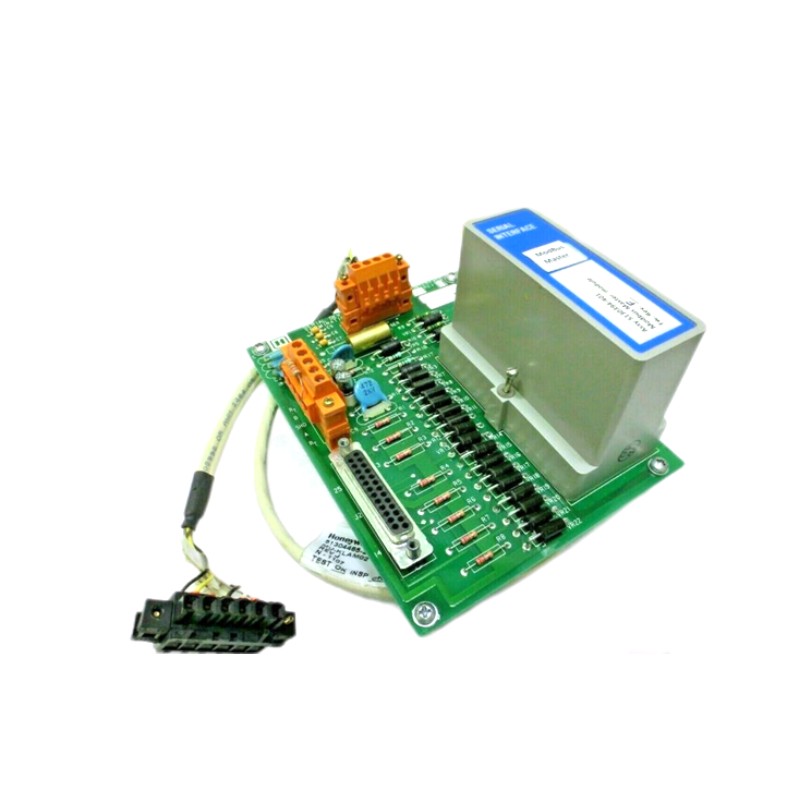
Q1: What is the primary function of the Honeywell MU-TSIM12?
A1: The primary function of the MU-TSIM12 is to simulate sensor or actuator signals for testing, training, and system integration purposes.
Q2: Can the Honeywell MU-TSIM12 simulate both analog and digital signals?
A2: Yes, it is capable of simulating both analog and digital signals depending on the configuration.
Q3: What is the operating temperature range of the Honeywell MU-TSIM12?
A3: The operating temperature range of the MU-TSIM12 is from -20°C to 60°C, making it suitable for a variety of industrial environments.
Q4: How accurate is the signal simulation in the Honeywell MU-TSIM12?
A4: The signal accuracy is ±0.1%, ensuring precise simulation for testing and calibration purposes.
Q5: Is the Honeywell MU-TSIM12 suitable for use in outdoor environments?
A5: Yes, with an IP65 rating, the MU-TSIM12 is protected against dust and water, making it suitable for outdoor and harsh environments.
Q6: Does the Honeywell MU-TSIM12 come with an easy-to-use interface?
A6: Yes, it features a user-friendly interface that simplifies operation and reduces the learning curve for new users.
Q7: Can I use the Honeywell MU-TSIM12 to simulate sensor failures?
A7: Yes, the MU-TSIM12 can simulate various sensor outputs, including failure modes, for diagnostic and troubleshooting purposes.
Q8: What are the communication interfaces available on the Honeywell MU-TSIM12?
A8: The MU-TSIM12 supports RS485 and Modbus communication interfaces for easy integration into existing control systems.
Q9: How much does the Honeywell MU-TSIM12 weigh?
A9: The Honeywell MU-TSIM12 weighs approximately 0.5 kg.
Q10: What industries typically use the Honeywell MU-TSIM12?
A10: It is widely used in industries like aerospace, automotive, manufacturing, and industrial automation for testing, calibration, and training.
Related Products
Copyright @ 2026 Automations
XML|Links:
No:77501