

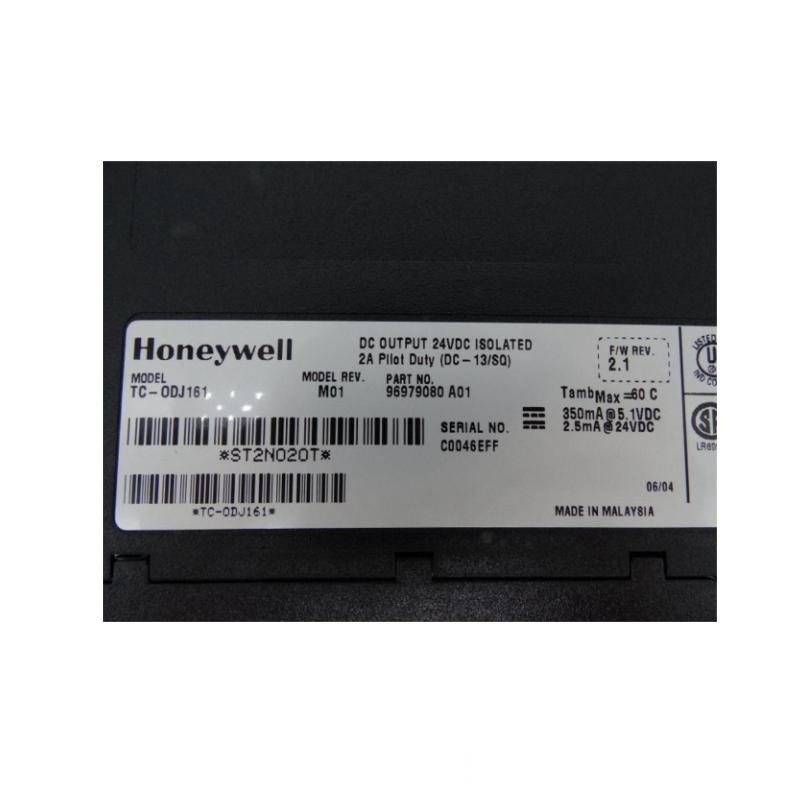
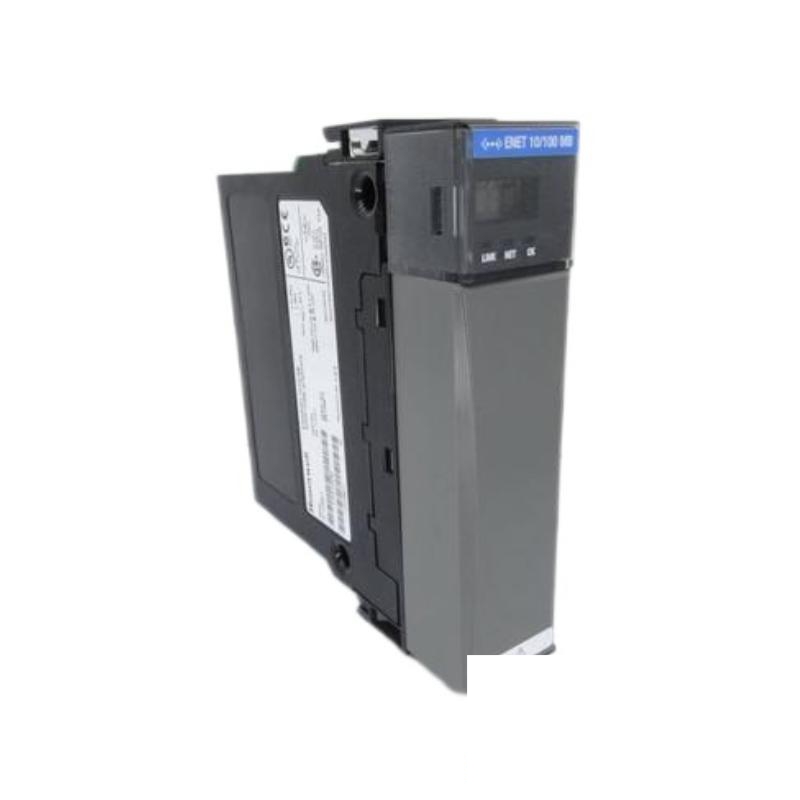
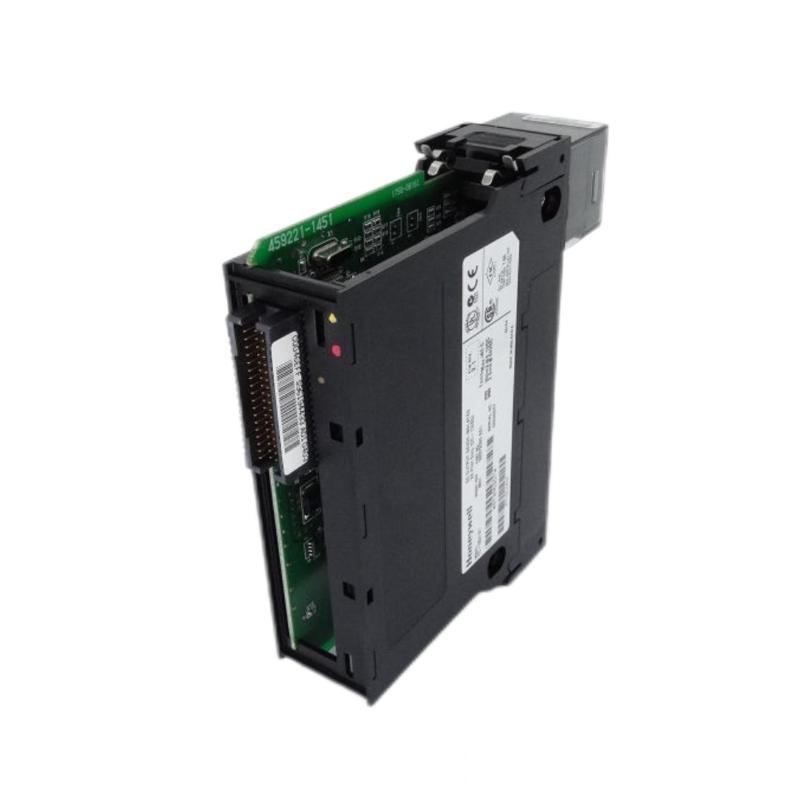
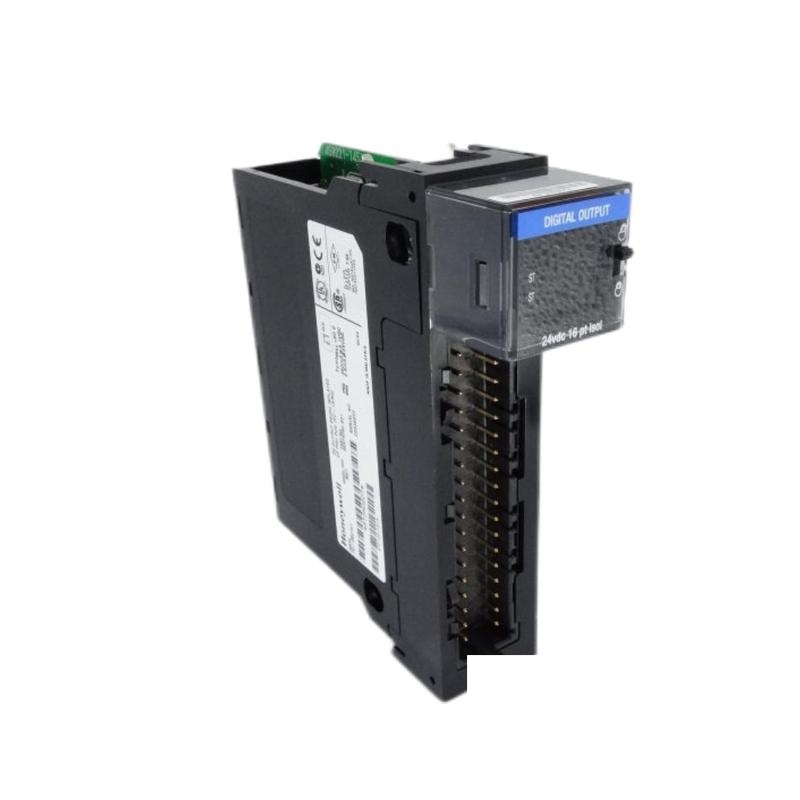




Frequently Asked Questions (FAQ)
Q1 : What field devices can the TC‑ODI161 switch directly?
A1 : It is rated to drive solenoids, contactors, relay coils, signal lamps, and low‑current motors that accept dry‑contact 24 V DC outputs.
Q2 : How fast can the outputs change state?
A2 : Typical turn‑on / turn‑off time is under 2 ms, allowing dependable control of high‑speed sequencing valves and interlock relays.
Q3 : Does each channel include its own fuse or protection element?
A3 : Yes. Every output is protected by an electronic self‑resetting fuse that trips on over‑current and resets automatically once the fault clears.
Q4 : Are the outputs galvanically isolated from the system backplane?
A4 : Each channel is optically isolated from the controller bus at 1 500 V AC (1 minute) to prevent ground‑loop noise and surge damage.
Q5 : Can I mix positive‑switching and negative‑switching loads on the same module?
A5 : All sixteen channels share a common field supply, so loads must use the same polarity; mixed polarity requires separate modules.
Q6 : What diagnostic information is available to the operator?
A6 : The module reports open‑circuit, short‑circuit, fuse‑trip, and field‑supply status to Experion LS, plus individual channel LEDs for at‑a‑glance checks.
Q7 : How is configuration performed?
A7 : Channels are configured in Experion’s Control Builder: choose output logic (energised = ON or OFF), assign tag names, and map to control strategies—no jumpers or DIP switches.
Q8 : What maintenance is required?
A8 : Apart from periodic visual inspection and verification of screw‑terminal tightness, no routine maintenance is necessary; the module’s solid‑state design eliminates mechanical wear.
Q9 : Is hot‑swap supported?
A9 : Yes. The TC‑ODI161 can be removed or inserted under power when mounted in a redundant chassis, minimising downtime during replacement.
Q10 : Which standards does the module meet for industrial use?
A10 : It is CE‑marked, UL Listed for Class I Div 2 (HazLoc), and tested to IEC 61131‑2 for EMC, vibration, and environmental robustness.