FAQ
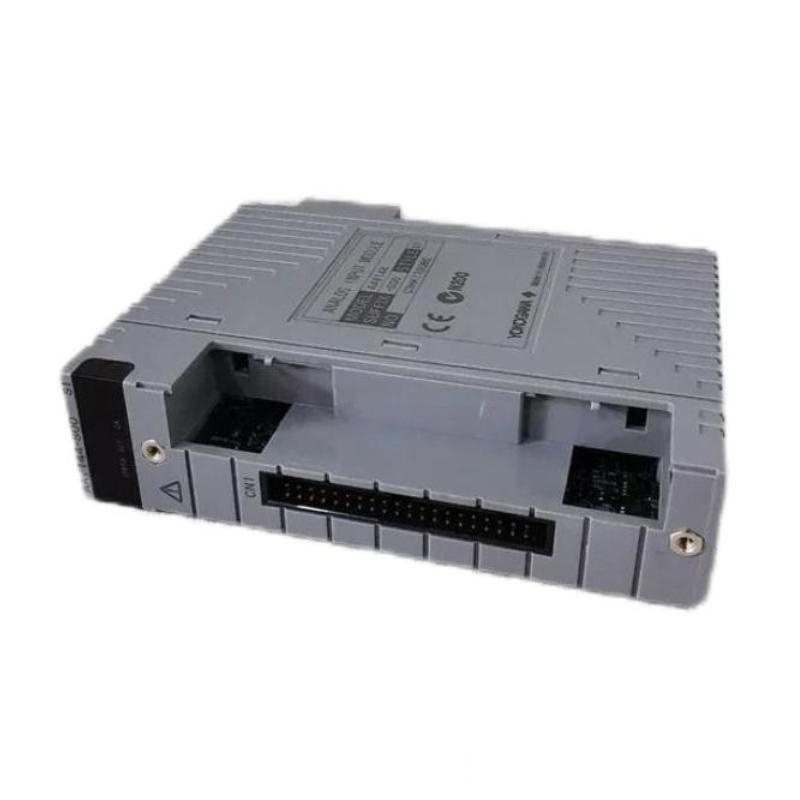
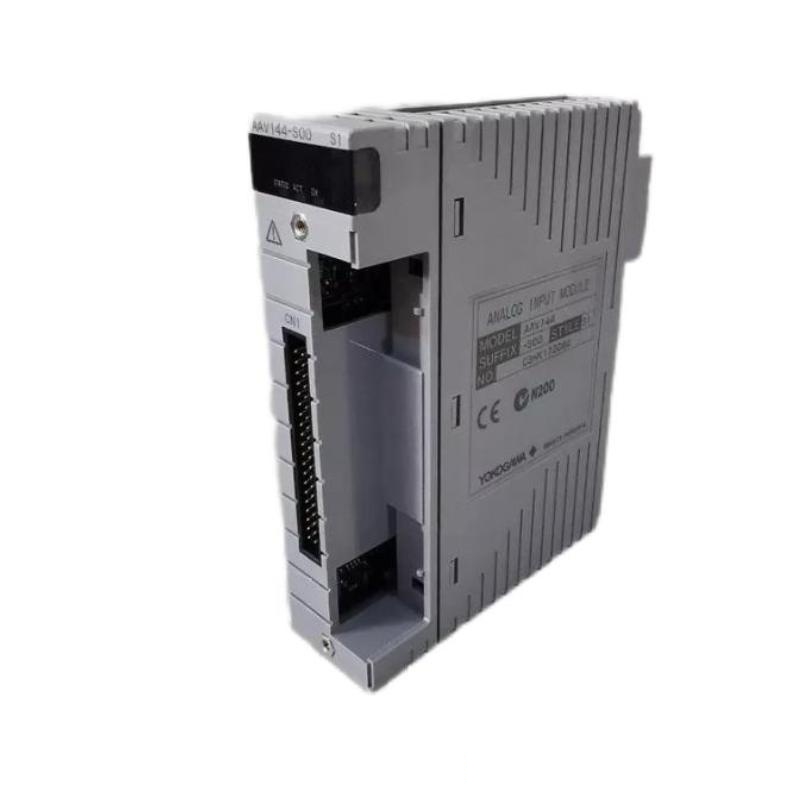
Q1: What is the purpose of the Yokogawa AAV144 voltage input module?
A1: The Yokogawa AAV144 is designed to convert analog voltage inputs into digital signals for use in industrial control systems, offering isolation and high accuracy.
Q2: What is the maximum voltage input range for the AAV144?
A2: The AAV144 has a maximum input range of ±10 VDC, which accommodates various industrial sensors.
Q3: What is the accuracy of the Yokogawa AAV144?
A3: The AAV144 provides an accuracy of ±0.1% FS, ensuring precise voltage measurement in industrial applications.
Q4: What is the isolation voltage for the Yokogawa AAV144?
A4: The AAV144 has a 1500 VDC isolation voltage between the input channels and the system, providing protection against electrical surges.
Q5: What is the operating temperature range for the Yokogawa AAV144?
A5: The AAV144 operates within a temperature range of -20°C to +60°C, making it suitable for various industrial environments.
Q6: How does the Yokogawa AAV144 protect the system?
A6: The AAV144 provides voltage isolation, protecting the system from electrical faults, ground loops, and other sources of interference.
Q7: What type of input does the AAV144 accept?
A7: The AAV144 accepts voltage inputs in the range of ±10 VDC, with high input impedance (≥1 MΩ).
Q8: How is the AAV144 mounted?
A8: The AAV144 is designed for DIN rail mounting, making installation straightforward and secure.
Q9: Is the Yokogawa AAV144 compatible with other Yokogawa modules?
A9: Yes, the AAV144 can be easily integrated with other Yokogawa modules in the AAV Series and other industrial automation systems.
Q10: What applications is the AAV144 suitable for?
A10: The AAV144 is suitable for applications in process control, SCADA systems, power monitoring, and fault detection systems, providing high accuracy and system protection.
Related Products
Copyright @ 2026 Automations
XML|Links:
No:77501