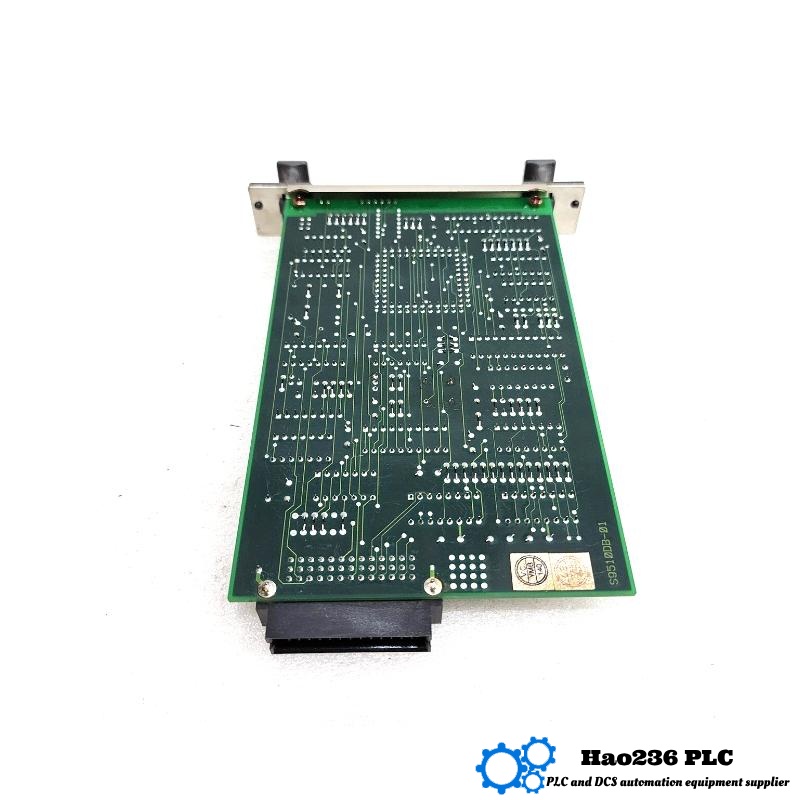
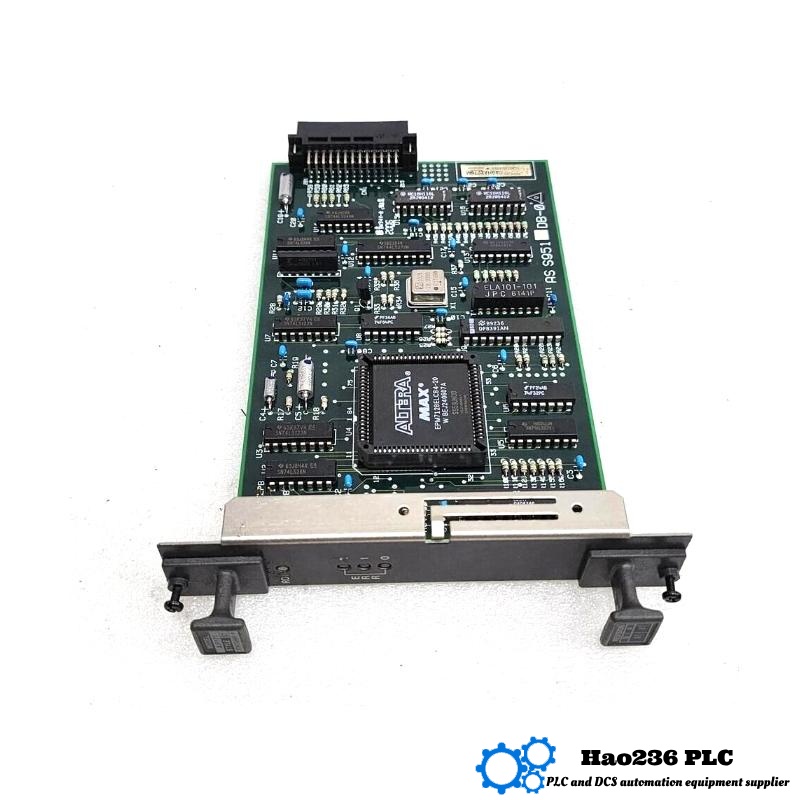
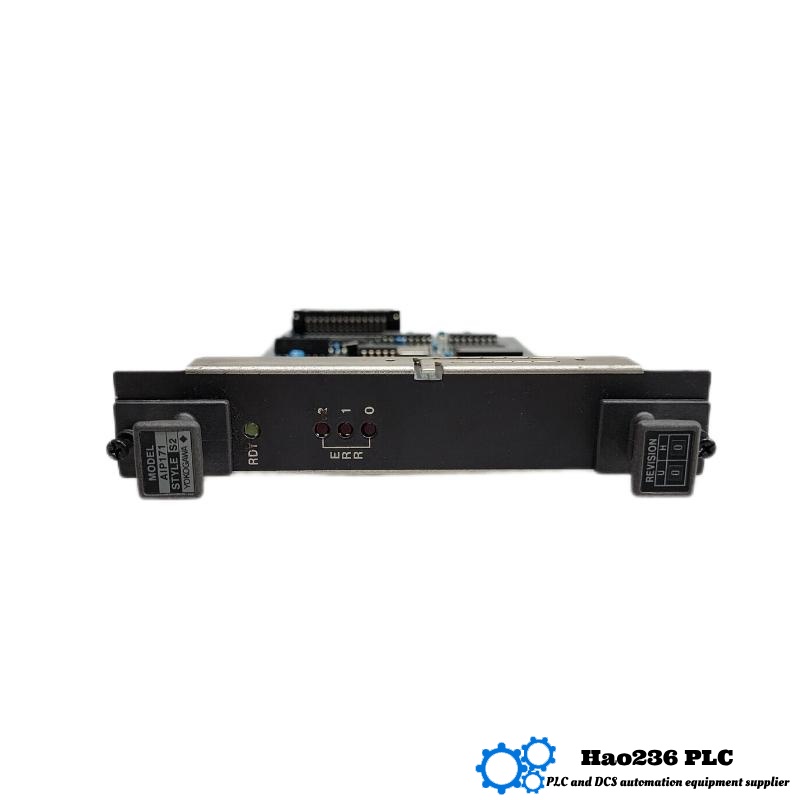
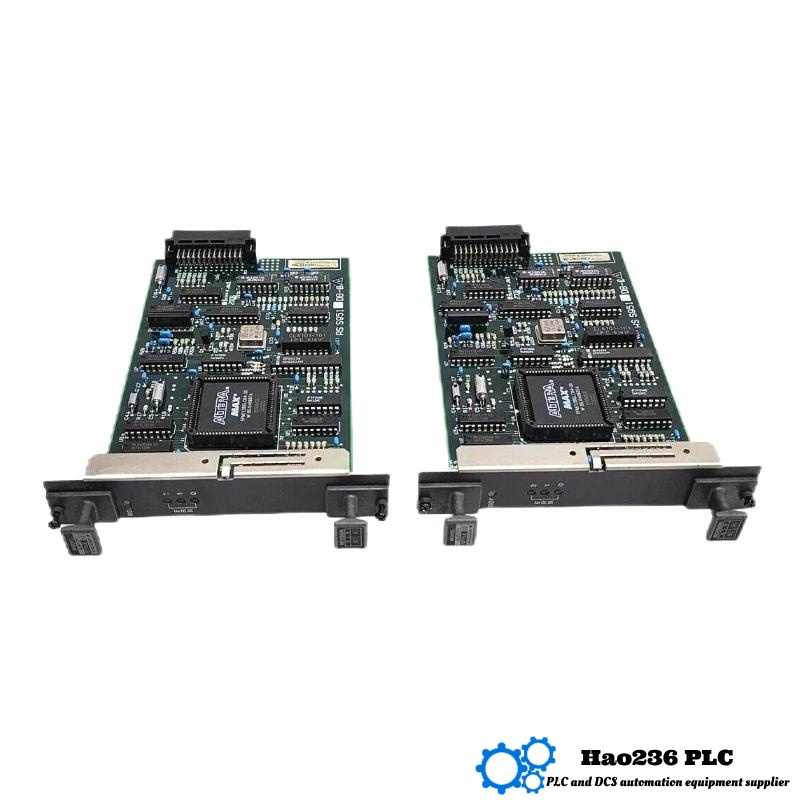
FAQs
Here are 10 questions & answers about AIP171, phrased in a non‑AI style, technical / field oriented.
Q1: What power supply voltage does AIP171 require?
A1: It requires 24 V DC (standard supply in many Yokogawa control cabinets).
Q2: What is the operating temperature range?
A2: Typically ‑20 °C to +60 °C in non‑condensing conditions.
Q3: How heavy is AIP171 & what are its physical dimensions?
A3: Weight is about 0.20 kg. Dimensions are approximately 12.7 cm wide × 17.8 cm high × 2.5 cm deep.
Q4: What communication interfaces does it support?
A4: It supports V‑Net, RS‑485; some listings also include possible RS‑232 or Ethernet in certain versions.
Q5: What is the module’s role in network communication?
A5: It acts as a transceiver control module or repeater / relay of signals between V‑Net repeaters and transceivers, helping maintain network integrity and reach.
Q6: Can it be used for redundant communication networks?
A6: Yes—some configurations support redundancy (pairing modules) to improve reliability in case of module or link failure.
Q7: What is the acceptable storage temperature for the module?
A7: Storage temperature is around ‑20 °C to +70 °C in many listings.
Q8: How good is its diagnostic or status indication capability?
A8: It includes status or diagnostic capability in many versions, enabling detection of communication faults or module status visually or via system monitoring.
Q9: Are there special mounting requirements?
A9: It is card/module style; mounted in racks or DCS cabinets; attention to ventilation and ambient conditions helps ensure long life.
Q10: What is the maximum distance / performance capability for communication?
A10: Data rate is reportedly up to 10 Mbps in some listings; the transceiver link helps extend range of V‑Net communication through repeaters. Exact maximum distance depends on cable type, network design, and environmental conditions.
Related Products
Copyright @ 2026 Automations
XML|Links:
No:77501