Frequently Asked Questions (FAQ)
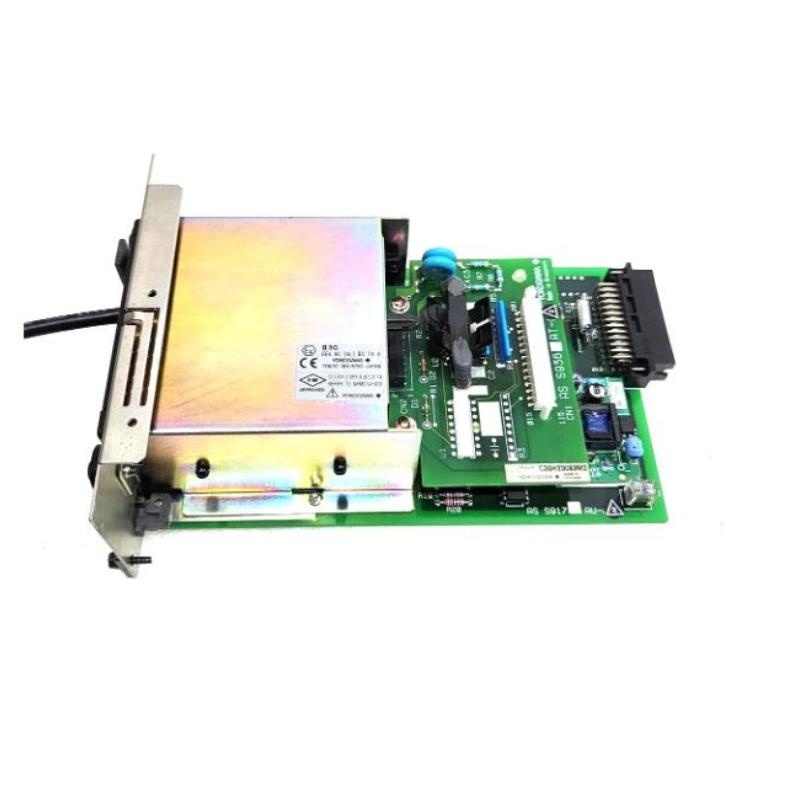
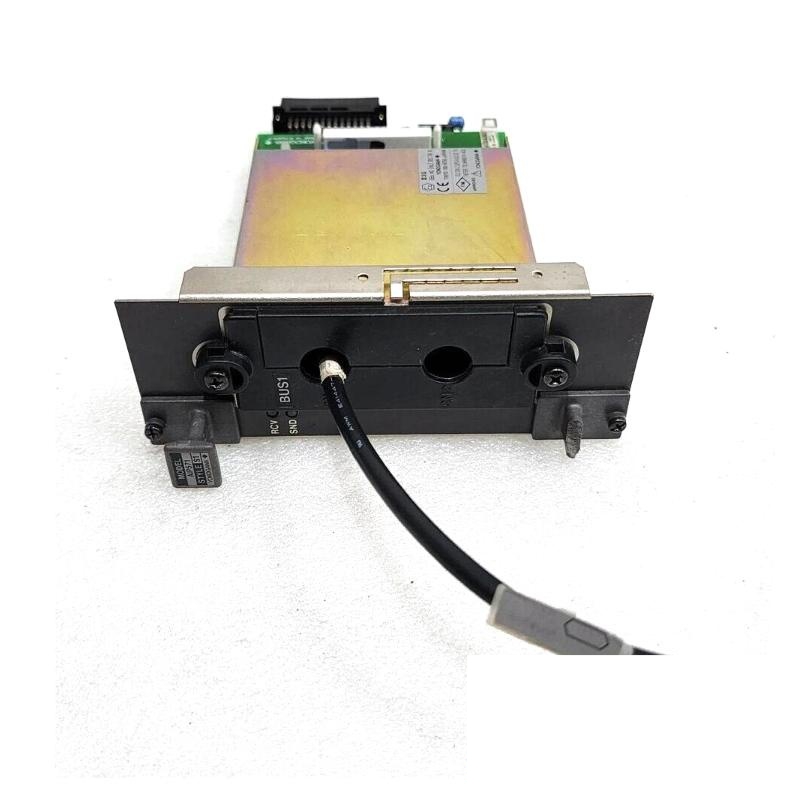
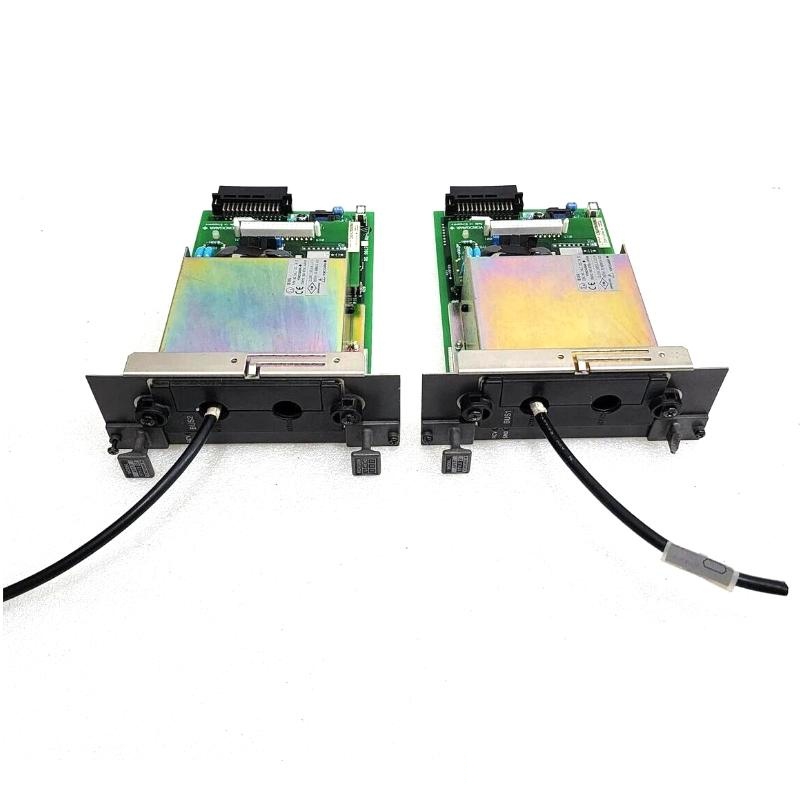
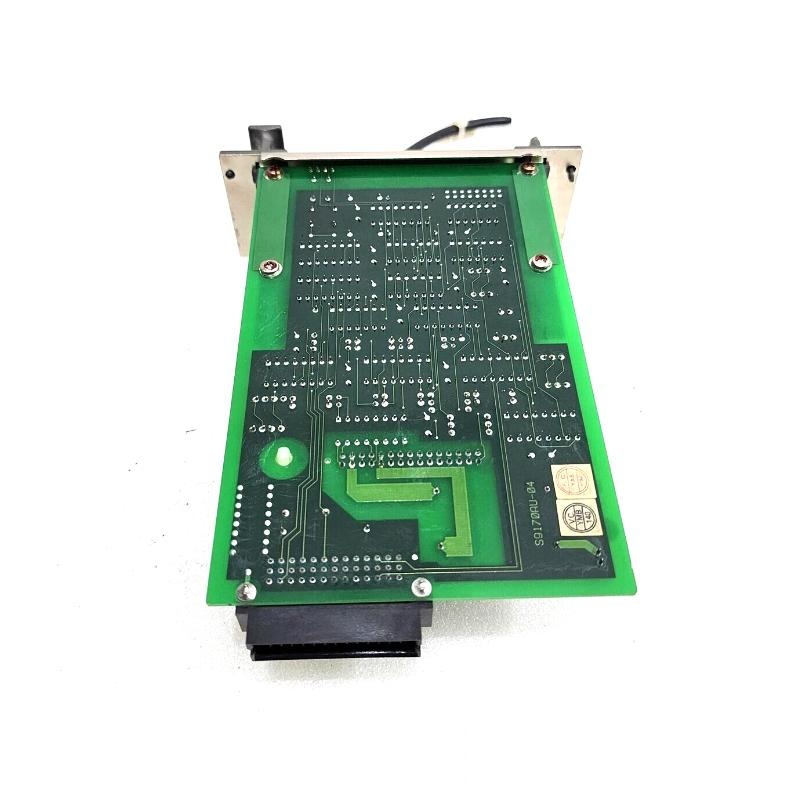
Q1: What does the AIP571-S2 module do?
A1: The AIP571-S2 module serves as an electric transceiver for RIO I/O communication, enabling high-speed data transfer between field devices and distributed control systems.
Q2: What is the communication protocol used by the AIP571-S2?
A2: The AIP571-S2 uses the Remote I/O (RIO) protocol for communication, making it ideal for integration in large-scale industrial applications.
Q3: How is the AIP571-S2 powered?
A3: The module operates on 24V DC power with a ±20% tolerance.
Q4: What industries can benefit from using this module?
A4: Industries such as power plants, oil refineries, and manufacturing plants can benefit from the reliable and efficient data communication provided by this module.
Q5: What is the maximum operating temperature of the AIP571-S2?
A5: The module can operate in temperatures ranging from -20°C to +60°C, making it suitable for most industrial environments.
Q6: Can the AIP571-S2 be used in hazardous environments?
A6: While the module has an IP20 rating, it is best suited for use in environments where physical hazards like dust and water are not present.
Q7: How does the AIP571-S2 integrate with Yokogawa systems?
A7: The module integrates easily with Yokogawa’s DCS and control systems, allowing seamless data communication and monitoring across the entire network.
Q8: How long is the warranty for the AIP571-S2?
A8: The module typically comes with a standard 1-year warranty, which can be extended depending on the purchasing terms.
Q9: How many I/O points can the AIP571-S2 support?
A9: The AIP571-S2 is part of Yokogawa’s I/O module series and supports a variety of I/O points depending on the configuration and integration with other modules.
Q10: What type of devices can be connected to the AIP571-S2?
A10: The module is designed to interface with a wide range of field devices that use the RIO communication protocol, including sensors, actuators, and controllers.
Related Products
Copyright @ 2026 Automations
XML|Links:
No:77501