





FAQ – Frequently Asked Questions
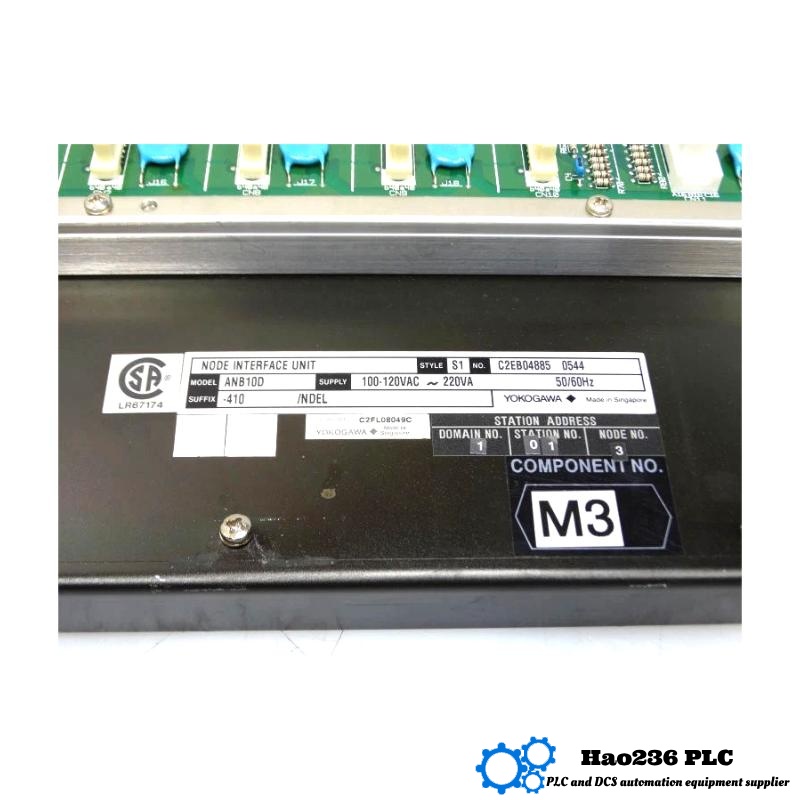
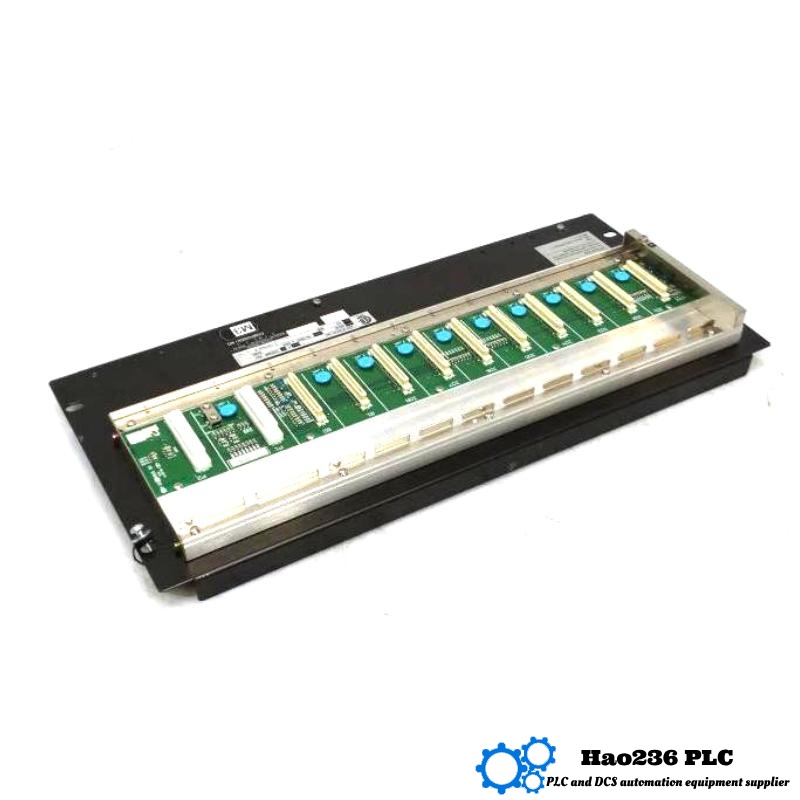
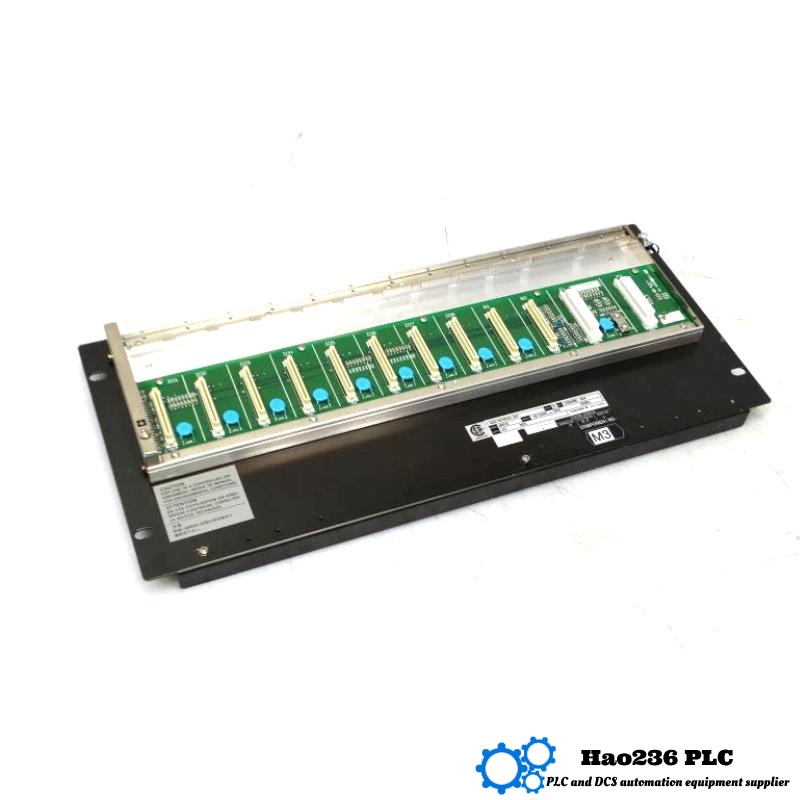
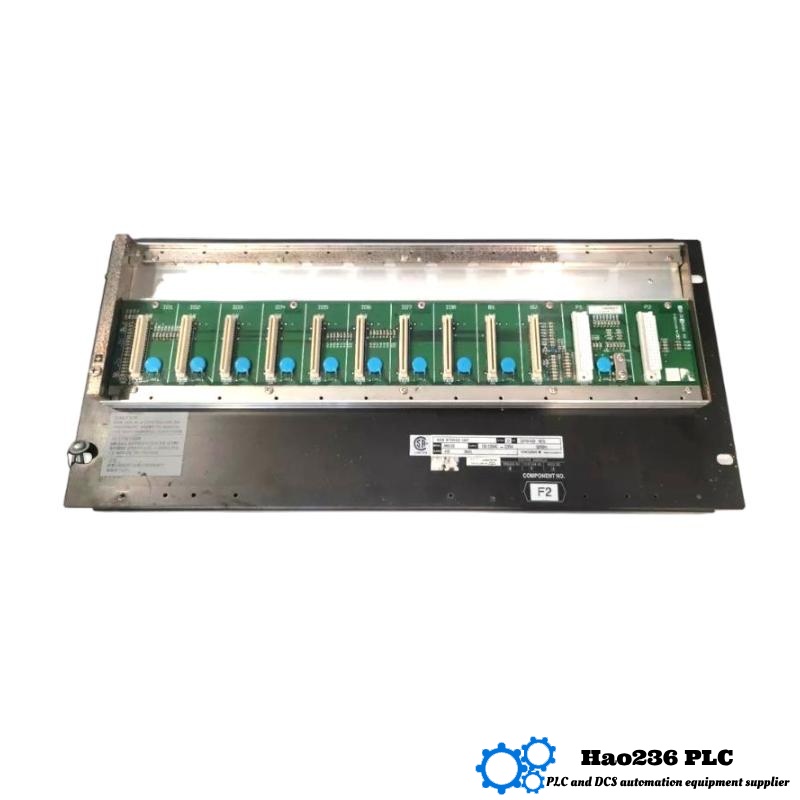
Q1: What is the purpose of the ANB10D-410/NDEL in an industrial control system?
A1: The ANB10D-410/NDEL functions as a communication interface node that links I/O subsystems with the main controller over the ESB (Ethernet System Bus), ensuring high-speed and reliable data transmission in Yokogawa’s DCS environment.
Q2: What type of communication protocol does this unit use?
A2: It uses Ethernet-based communication within Yokogawa’s proprietary ESB protocol framework, supporting fast data rates of up to 100 Mbps for real-time process control.
Q3: Is the ANB10D-410/NDEL compatible with all Yokogawa DCS systems?
A3: The unit is fully compatible with Yokogawa’s CENTUM VP and CENTUM CS 3000 systems and is designed to operate as part of the ESB subsystem architecture.
Q4: What kind of power input does the ANB10D-410/NDEL require?
A4: It requires a 24V DC power supply and has an average power consumption of approximately 50 watts during operation.
Q5: How is the ANB10D-410/NDEL typically mounted?
A5: This unit is rack-mounted and fits into a standard 19-inch industrial rack cabinet, making it suitable for centralized control room installations.
Q6: What is the supported operating temperature range?
A6: The unit is designed to operate in temperatures ranging from 0°C to 55°C and can be stored in environments between -20°C and 70°C.
Q7: Can the ANB10D-410/NDEL withstand dusty environments?
A7: It has an IP20 environmental rating, providing basic protection against solid objects such as fingers and limited dust ingress, but it is intended for clean cabinet installations.
Q8: Does the unit support redundancy or hot-swapping?
A8: Yes, the ESB network and related hardware can be configured for redundancy, ensuring continuous operation even if one unit fails. However, the ANB10D-410/NDEL itself should be powered down for replacement.
Q9: What are typical industrial applications for this module?
A9: It is commonly used in oil & gas, chemical, power generation, and water treatment plants where robust, real-time distributed control is critical.
Q10: What maintenance is required for the ANB10D-410/NDEL?
A10: Minimal maintenance is needed; periodic inspection for dust accumulation, proper airflow, and cable integrity is generally sufficient to ensure long-term reliability.