Frequently Asked Questions (FAQ)
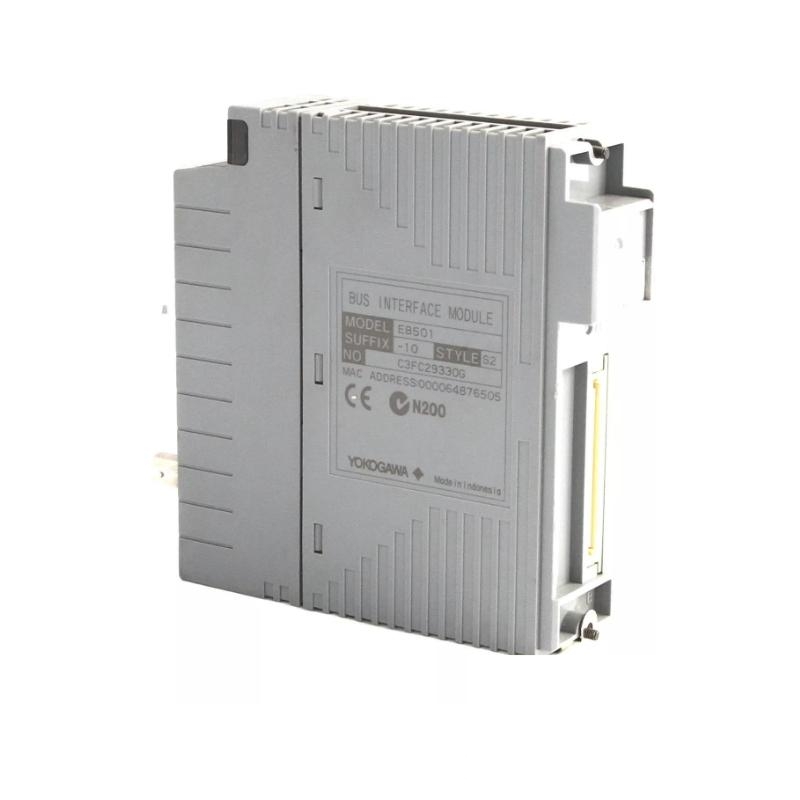
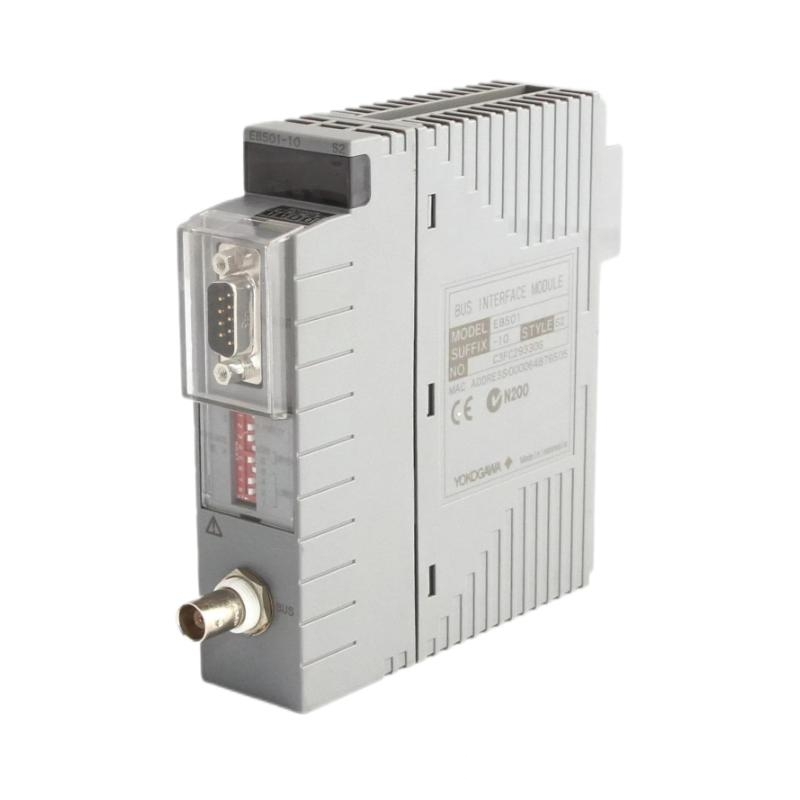
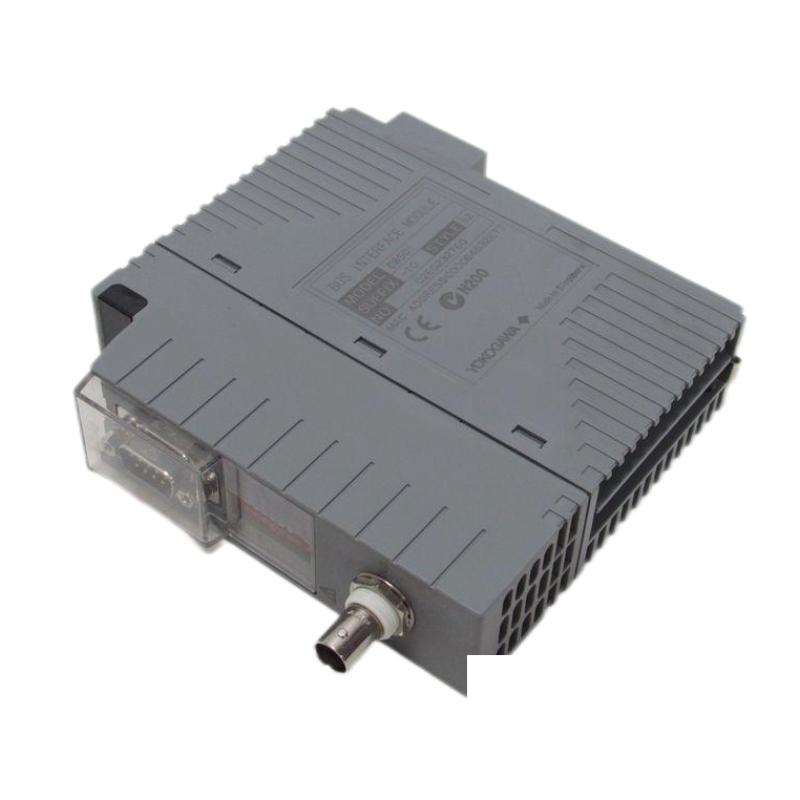
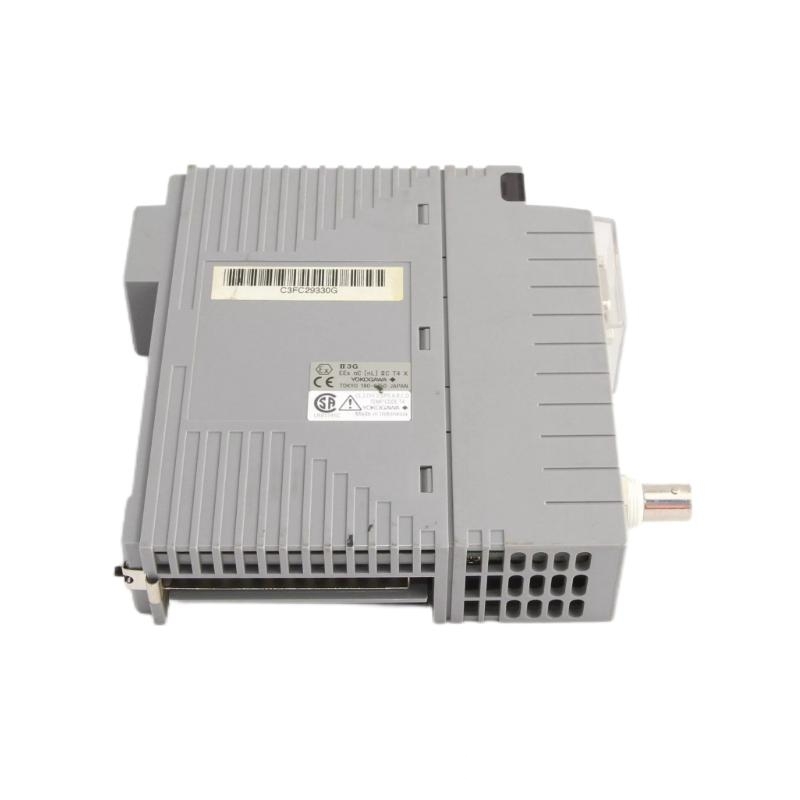
Q1: What does the EB501-10 module do?
A1: The EB501-10 serves as a bus interface module, enabling seamless communication between field devices and the central control system in industrial automation setups.
Q2: In which industries can I use the EB501-10?
A2: The EB501-10 is used in industries such as power generation, oil & gas, chemical manufacturing, petrochemical processing, and manufacturing automation.
Q3: What is the power supply requirement for the EB501-10?
A3: The module operates on a 24V DC power supply, which is standard in many industrial control systems.
Q4: How does the EB501-10 improve communication in a control system?
A4: By utilizing high-speed communication protocols, the EB501-10 ensures fast and reliable data transmission between devices, facilitating real-time control and monitoring.
Q5: Can the EB501-10 be used in harsh environments?
A5: Yes, the EB501-10 is designed for durability and reliability, making it suitable for use in harsh industrial conditions.
Q6: What is the maximum operating temperature for the EB501-10?
A6: The EB501-10 can operate within a temperature range of -10°C to +60°C, allowing it to function in a variety of environments.
Q7: How easy is it to install the EB501-10?
A7: The EB501-10 can be easily installed on a DIN rail, making it a convenient solution for various system configurations.
Q8: What diagnostic features does the EB501-10 include?
A8: The module features LED indicators that assist with system diagnostics, making it easy to identify issues and reduce downtime.
Q9: How flexible is the EB501-10 in terms of system integration?
A9: The EB501-10 can be integrated with a wide range of Yokogawa systems and third-party devices, offering flexibility in system design and implementation.
Q10: What is the lifespan of the EB501-10?
A10: The EB501-10 is designed for long-term reliability, ensuring a long operational life in industrial environments with minimal maintenance.
Related Products
Copyright @ 2026 Automations
XML|Links:
No:77501