FAQ (10 Common Questions)
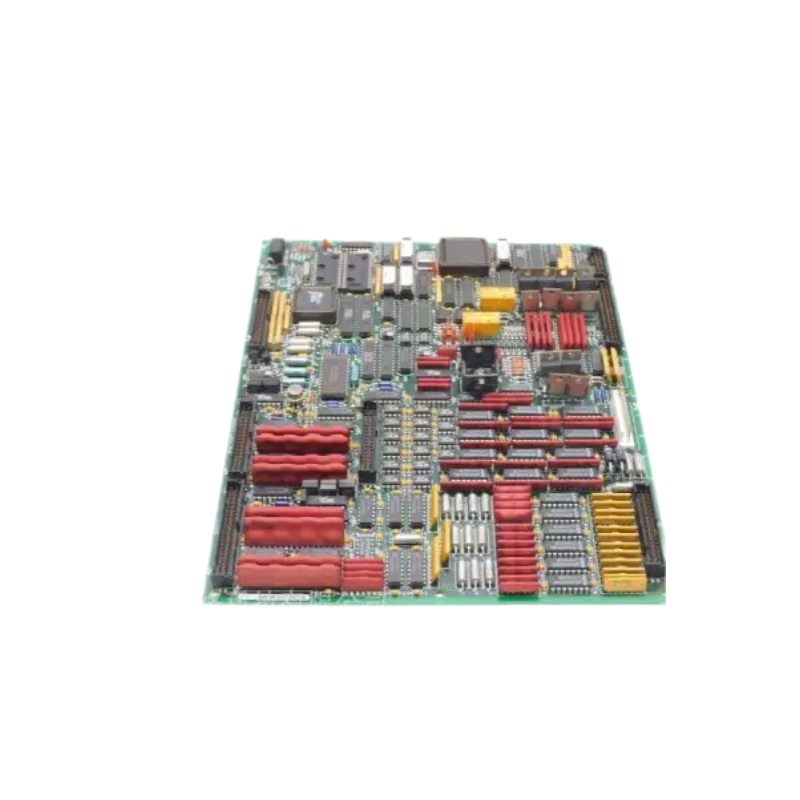
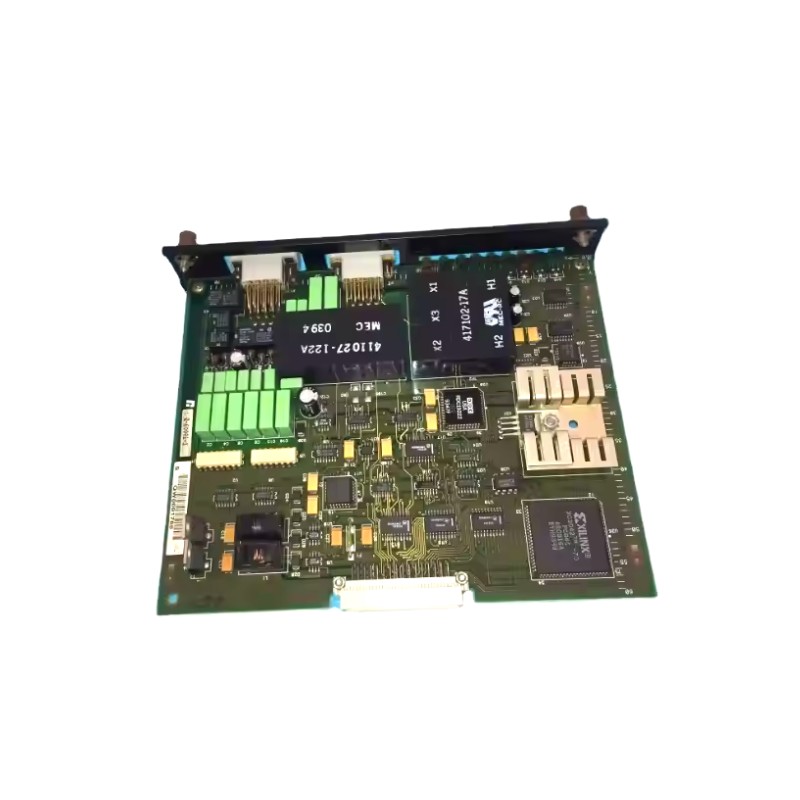
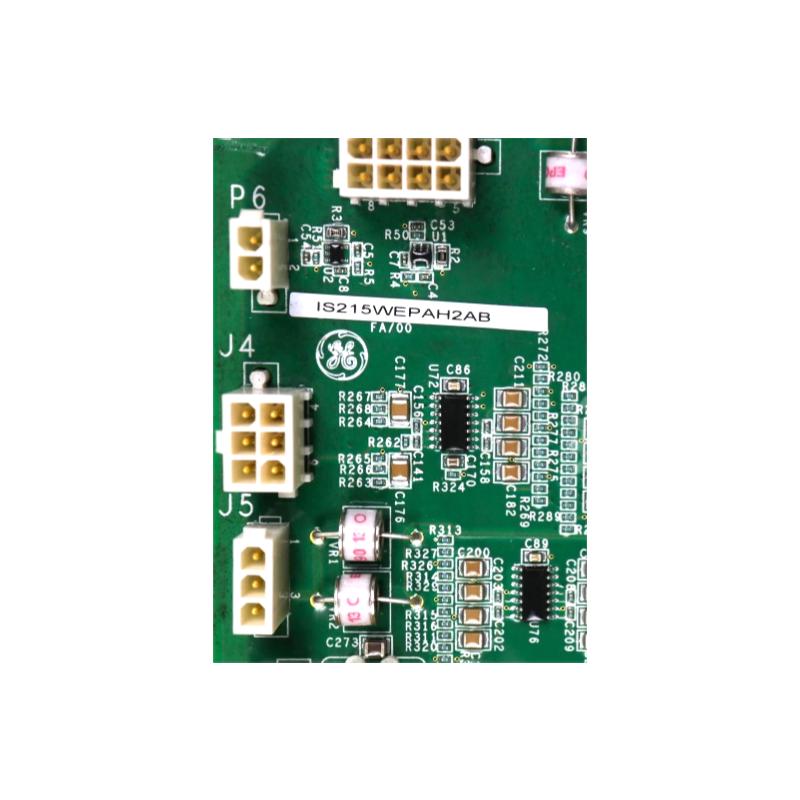
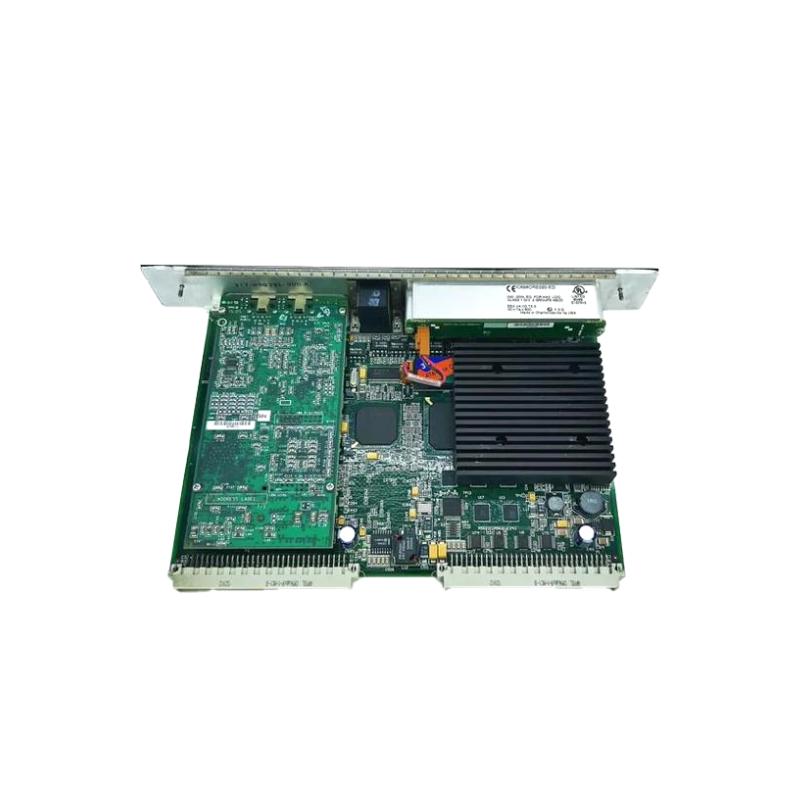
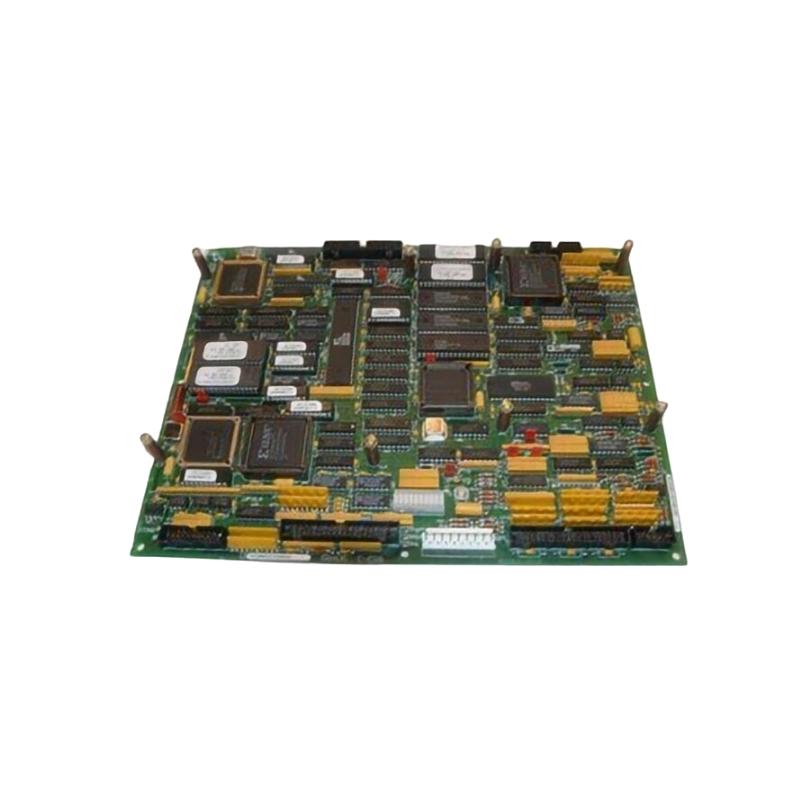
Q1: What is the primary use of the IS215WEPAH2AB module?
A1: It controls the pitch axis of wind turbine blades, adjusting their angle to optimize power generation and reduce mechanical load.
Q2: Can it be used in offshore environments?
A2: Yes. It is designed to withstand salt, humidity, and vibration—ideal for offshore wind farms.
Q3: What are its physical dimensions and weight?
A3: Approx. 200 × 150 × 50 mm and 1.2 kg (may vary by version).
Q4: What communication interfaces are supported?
A4: Ethernet, RS-232, and RS-485 interfaces for integration with upper-level systems.
Q5: Is it reliable under extreme temperature and humidity?
A5: Yes. Operating temperature range is –20 °C to +70 °C (extended to –40 °C for some models) with up to 95 % humidity tolerance.
Q6: Does it support redundancy or hot-swap?
A6: Yes. The module supports redundant configurations (e.g., TMR) and can be replaced in modular fashion without full system shutdown.
Q7: Which GE systems are compatible with this module?
A7: Primarily the GE Mark VIe and Mark VIeS control platforms.
Q8: How does it improve turbine life expectancy?
A8: By accurately controlling blade pitch, it minimizes stress on mechanical components, extending turbine lifespan and reducing service costs.
Q9: Does it have diagnostic capabilities?
A9: Yes. Built-in diagnostics and LED indicators provide status feedback and fault localization.
Q10: What should be checked before purchase?
A10: Confirm version, physical size, function set (redundancy, interface, certification), and compatibility with your control system.
Related Products
Copyright @ 2026 Automations
XML|Links:
No:77501