FAQ (10 Questions & Answers)
Q1: What is the primary role of the IS220PPROS1B?
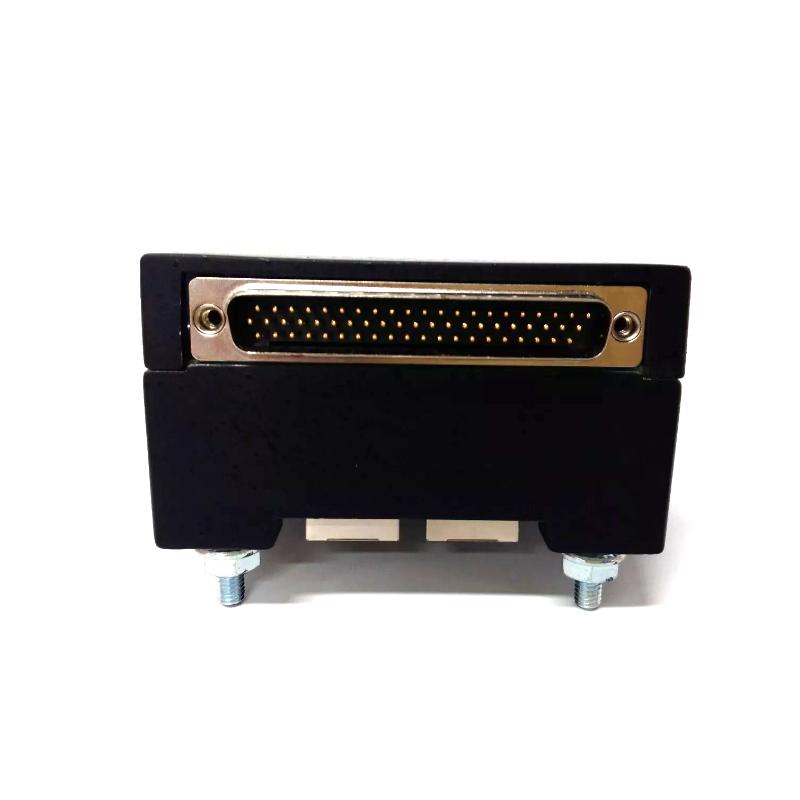
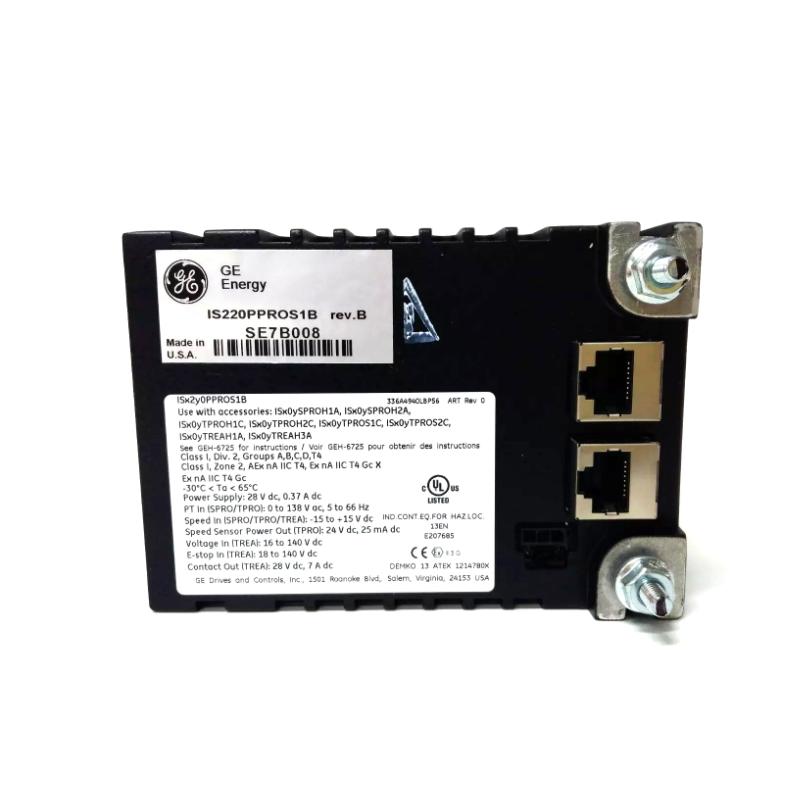
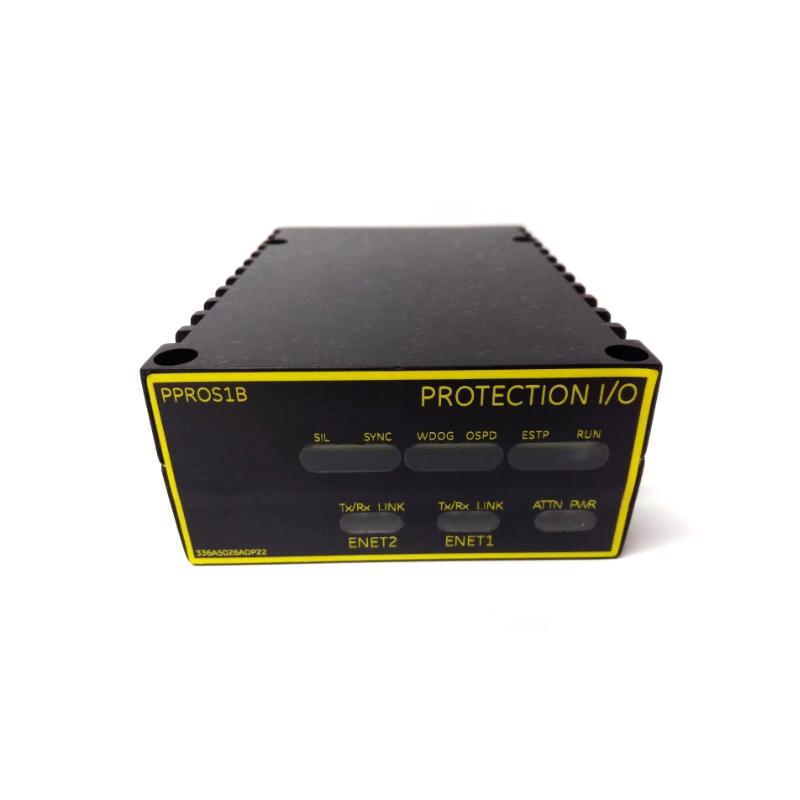
A1: It serves as a backup turbine protection I/O pack, providing independent trip logic, overspeed and synchronisation protection for turbines.
Q2: What supply voltage does the module require?
A2: Typically about 28 V DC (some variants ~24 V DC) for the module’s internal circuits.
Q3: What are its typical dimensions and weight?
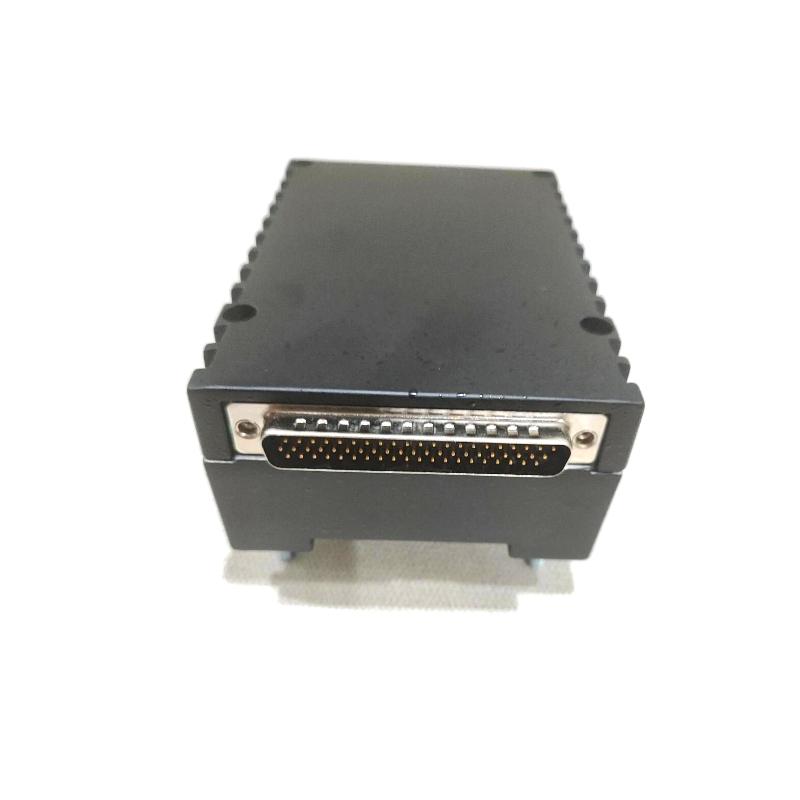
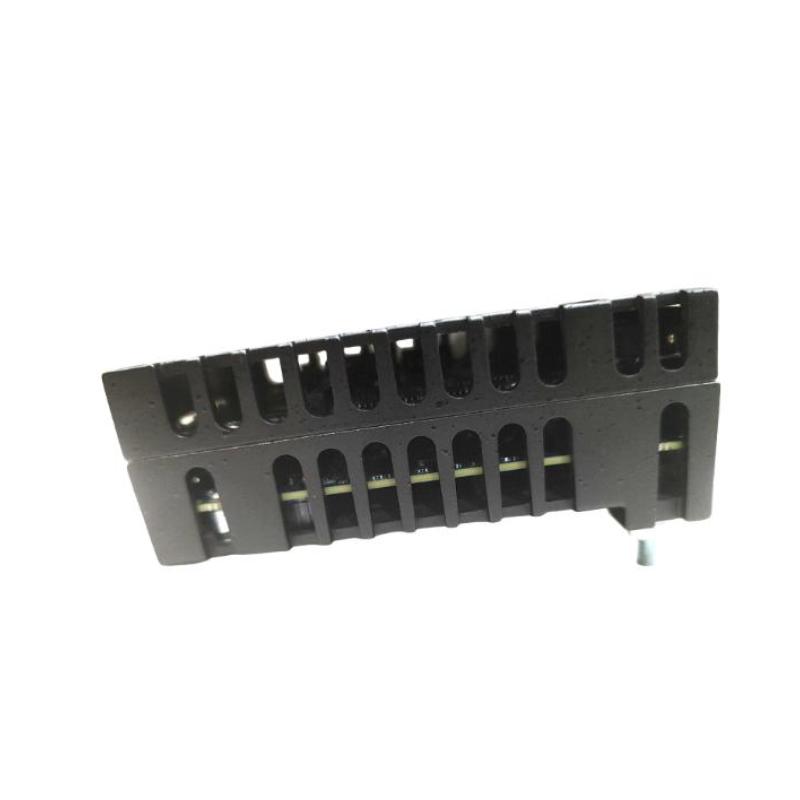
A3: Dimensions vary by revision, but approximately 143–231 mm in length, and weight around 0.45 kg to ~1.1 kg.
Q4: What operating temperature range does it support?
A4: Designed for industrial use from roughly –30 °C up to +65 °C or +70 °C, with storage capability to +85 °C.
Q5: Is the module compatible with redundancy architectures?
A5: Yes — it supports dual network ports and is used in TMR (triple modular redundant) protection configurations.
Q6: Which applications is this module used for?
A6: Gas or steam turbines, power‑generation control systems, oil & gas platforms, industrial plants requiring independent emergency trip logic.
Q7: What is the difference between this and a generic I/O pack?
A7: This module is purpose‑built for turbine trip protection, with independent logic, redundancy, and integration to turbine trip boards rather than general I/O tasks.
Q8: Does it support hazardous locations?
A8: Yes — some variants of the module have certification for hazardous zones (e.g., Zone 2, Group IIC) as required in turbine/control environments.
Q9: How does network redundancy work in this pack?
A9: It features two Ethernet ports; if one network path fails, the other remains active, maintaining I/O availability for trip logic.
Q10: What are the maintenance benefits of this module?
A10: Plug‑in design allows quick module swaps, built‑in diagnostics and LED indicators help identify faults, and its compatibility with the IS220 rack system ensures ease of replacement.
Related Products
Copyright @ 2026 Automations
XML|Links:
No:77501