FAQ (Frequently Asked Questions)
Q1: What is the main purpose of the IS420UCECH1B module?
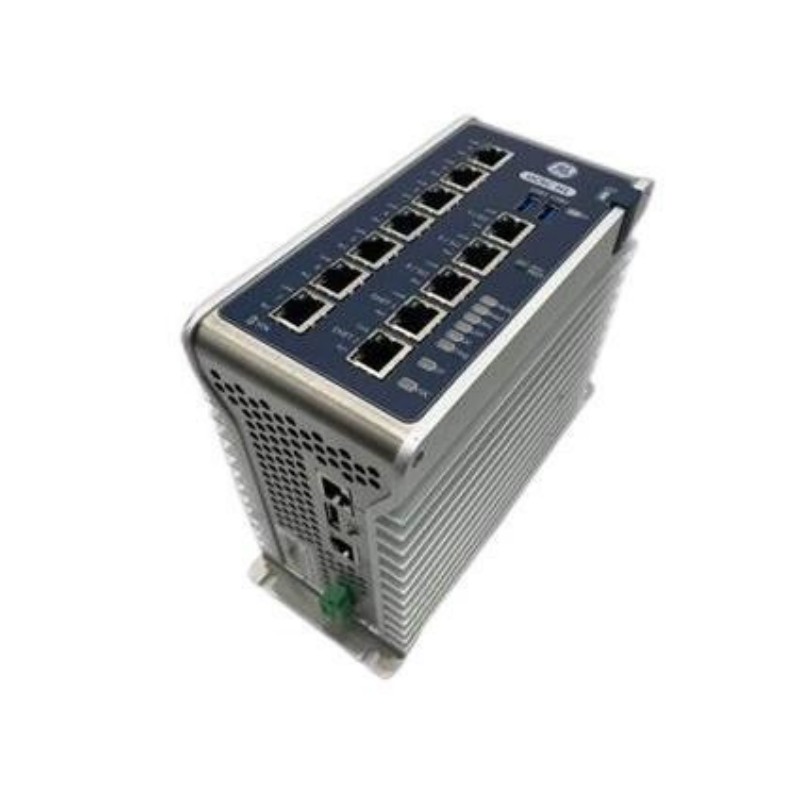
A1: It functions as an embedded controller/expansion card within the Mark VIe system, providing processing, communication and I/O expansion capabilities.
Q2: What is the supply voltage required?
A2: Typically 24 V DC nominal, with support for redundant power inputs in application.
Q3: What are the physical dimensions and the weight?
A3: Roughly 127 mm × 178 mm × 76 mm; weight around 1.30 kg.
Q4: What ambient temperature range does it support?
A4: Operating from approx. –40 °C to +70 °C; storage down to –40 °C to +85 °C.
Q5: What communication ports are available?
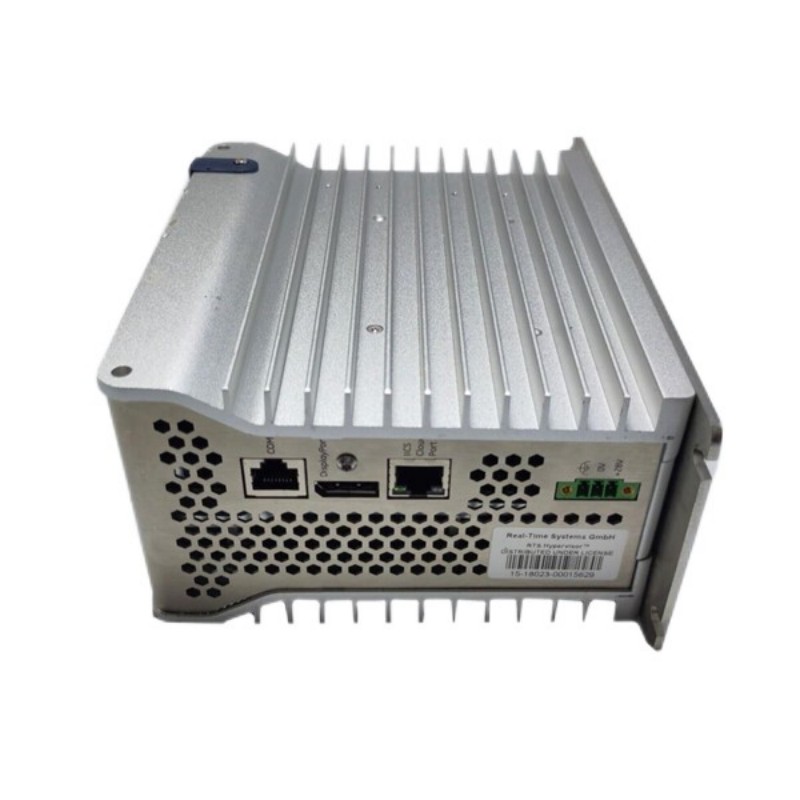
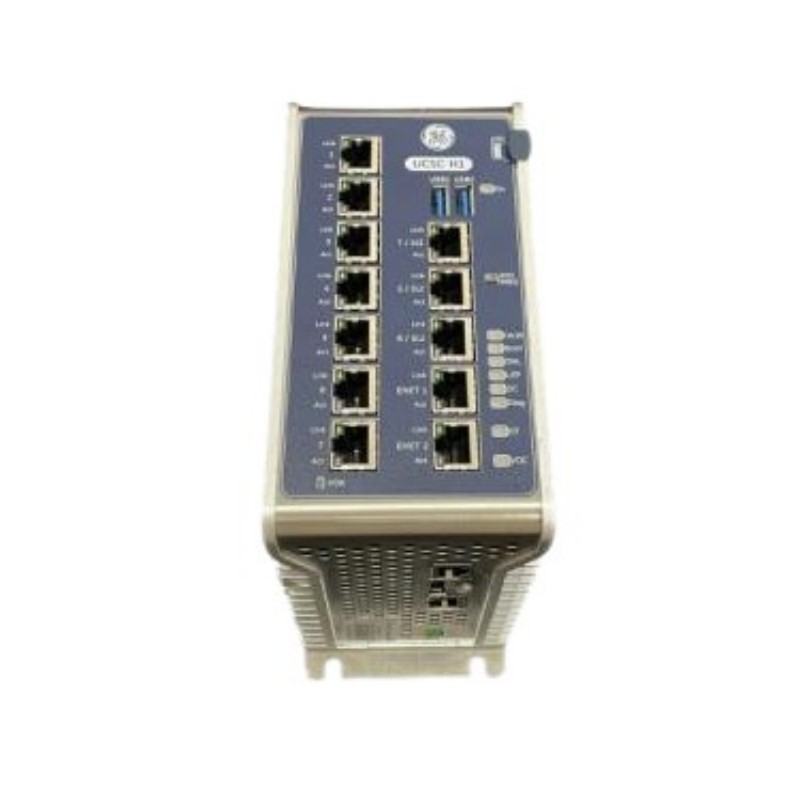
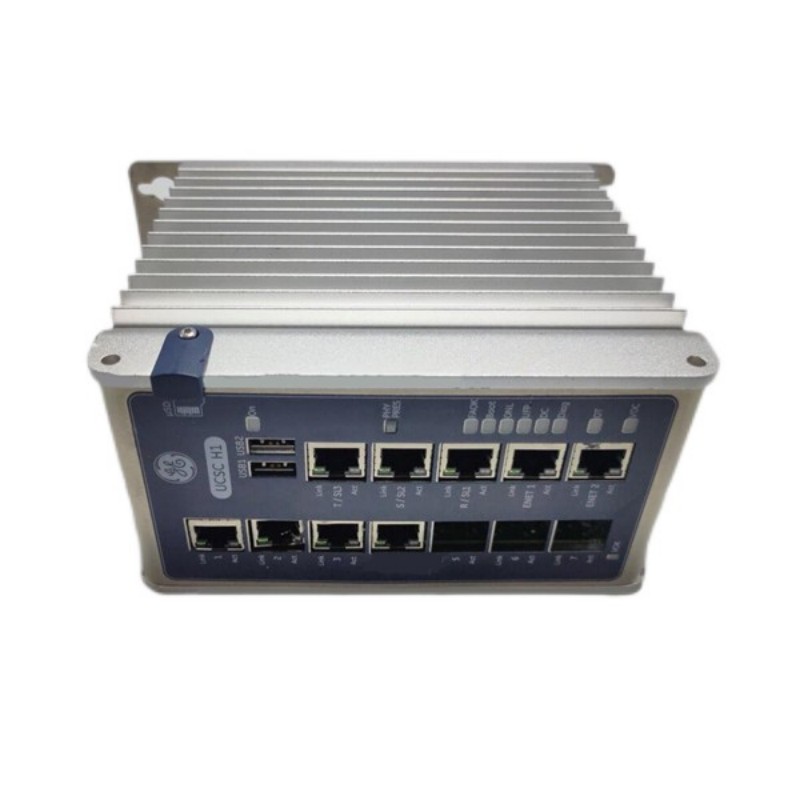
A5: It provides multiple high speed serial link (HSSL) ports (e.g., 12 ports), network Ethernet interfaces and supports I/O expansion.
Q6: Can this module be used in redundant control systems?
A6: Yes — it is designed to support redundant configurations (dual or triple) for high‑availability systems.
Q7: What types of applications is it suited for?
A7: Turbine control (steam, gas, hydro), power‑generation systems, heavy industry automation, or any application requiring real‑time control and expanded I/O connectivity.
Q8: Is the module maintenance‑friendly?
A8: Yes — with fanless design, conformal‑coated board, modular rack installation and diagnostics LEDs, maintenance overhead and downtime are reduced.
Q9: Does it fit into existing Mark VIe/VIeS control racks?
A9: Yes — the module is part of the Mark VIe / VIeS family and is intended for drop‑in or compatible installation in those control systems.
Q10: What is the advantage of upgrading to this module?
A10: It offers improved processing, more communication ports, reduced footprint, higher reliability and integration with modern networks compared to older controllers or expansion boards.
Related Products
Copyright @ 2026 Automations
XML|Links:
No:77501