FAQ (Frequently Asked Questions)
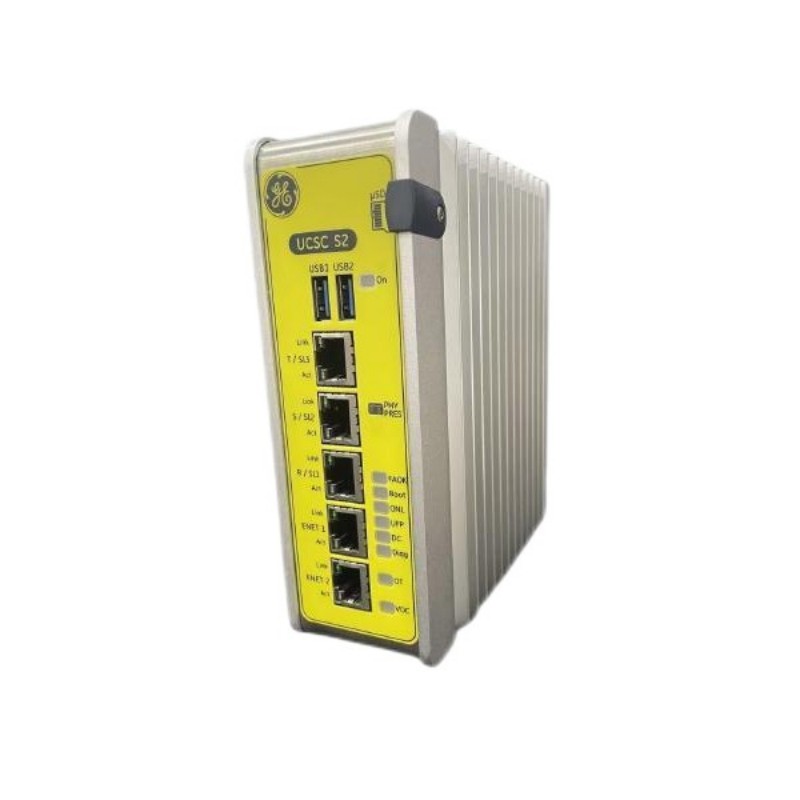
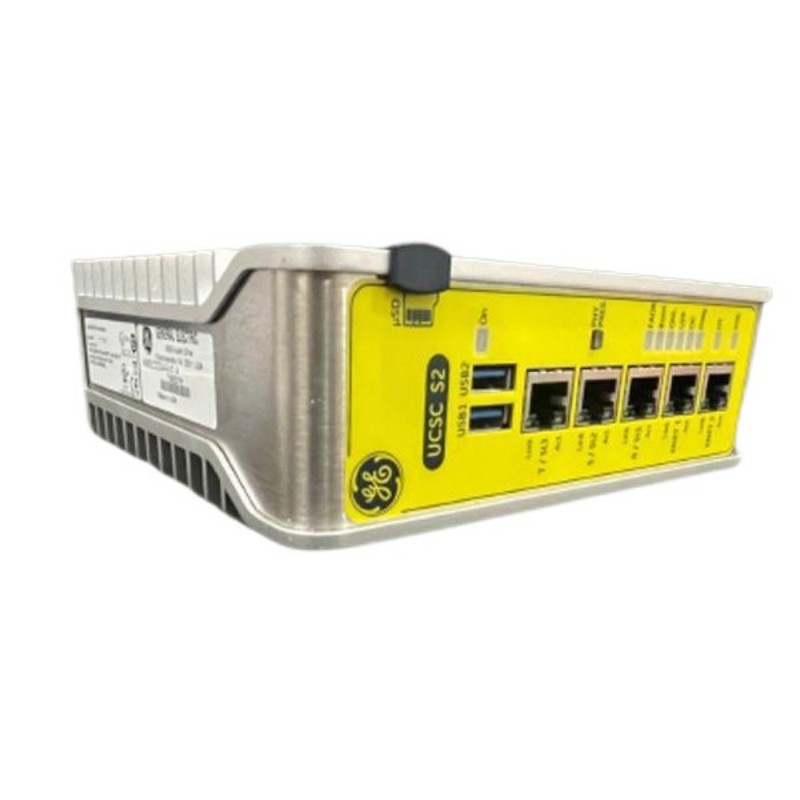
Q1: What is the primary function of the IS420UCSCS2A?
A1: It functions as a dual‑core controller module in the Mark VIe/VIeS system, executing safety‑critical logic, interfacing I/O, and enabling redundant configurations.
Q2: What power supply voltage does this module require?
A2: The nominal supply is 28 V DC, typically within 18‑32 V DC range.
Q3: What are its physical dimensions and weight?
A3: Approx. 168 mm × 150 mm × 55 mm (W×H×D) and weight approx. 1.327 kg.
Q4: What operating temperature range does it support?
A4: –40 °C to +70 °C for operation; storage up to –40 °C to +85 °C.
Q5: What redundancy options are available?
A5: It supports Simplex (single), Dual‑redundant, and TMR (triple modular redundancy) configurations.
Q6: What safety certifications does it meet?
A6: The module is capable of SIL 2 and SIL 3 safety levels as required for safety‑instrumented systems (SIS).
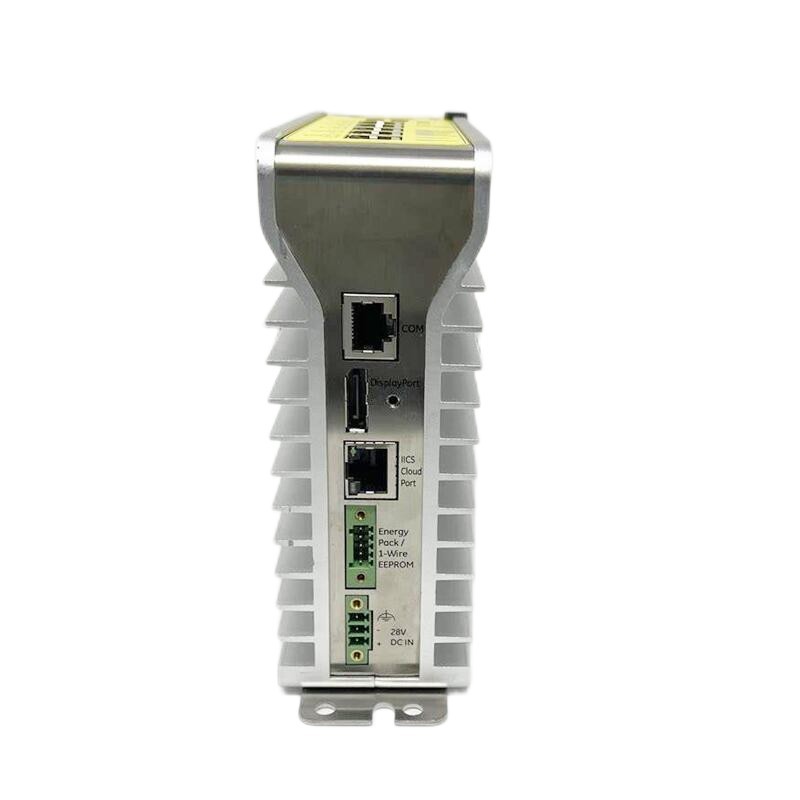
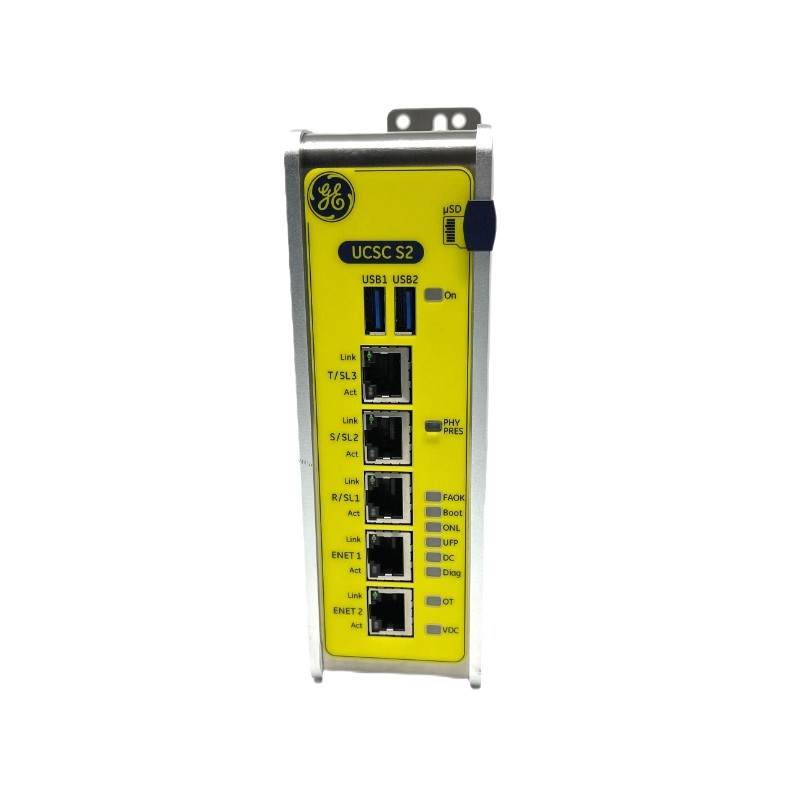
Q7: Which communications/interfaces does it support?
A7: Communications include IONet, PROFINET, High‑Speed Serial Link (HSSL), and Ethernet network interfaces.
Q8: Is it compatible with older Mark VIe control racks?
A8: Yes, it is designed as part of the Mark VIe/VIeS family and is backward/forward compatible with relevant I/O and network modules.
Q9: What maintenance advantages does the module provide?
A9: It uses a fanless, battery‑free design, reducing moving parts, fitted for hot‑swap or drop‑in replacement, thereby lowering downtime and maintenance.
Q10: In which industrial applications is this module most commonly used?
A10: It is used in power‑generation turbines, combined‑cycle plants, wind farms, petrochemical and heavy‑industry automation systems requiring high‑availability, safety‑certified control.
Related Products
Copyright @ 2026 Automations
XML|Links:
No:77501