6. FAQs (Q/A)
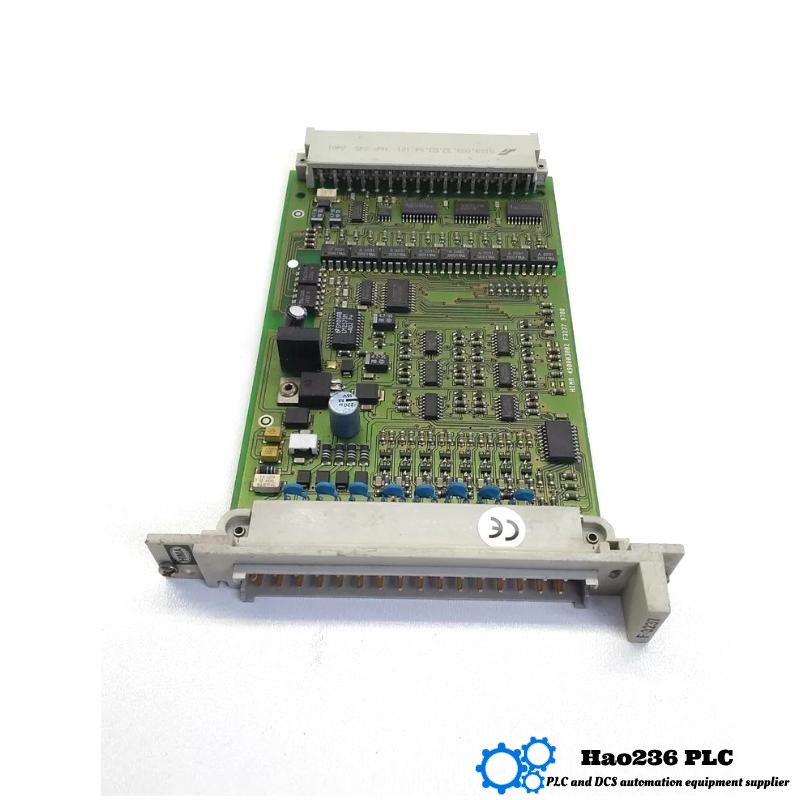
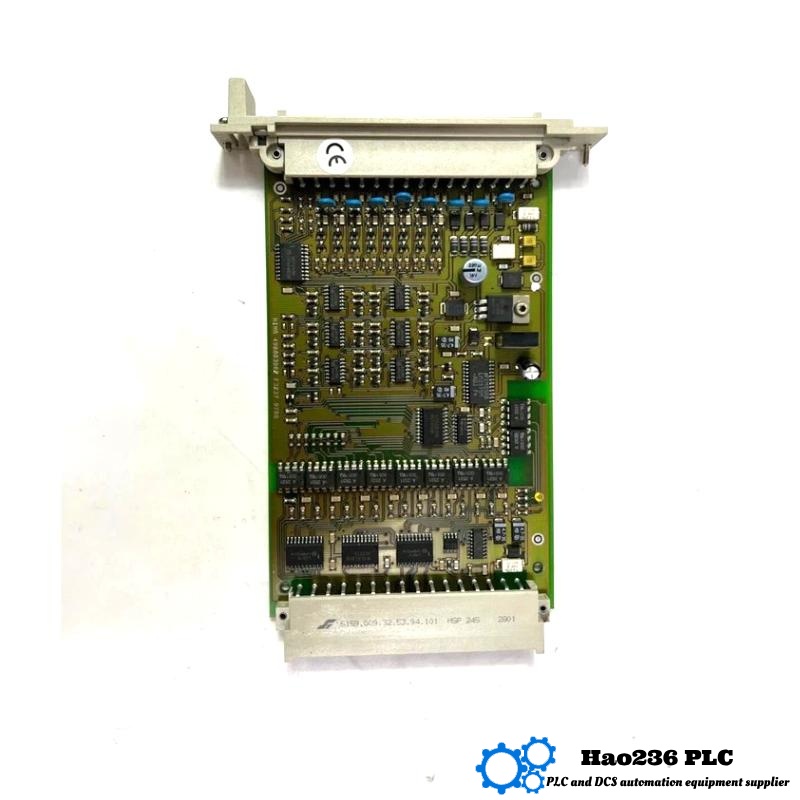
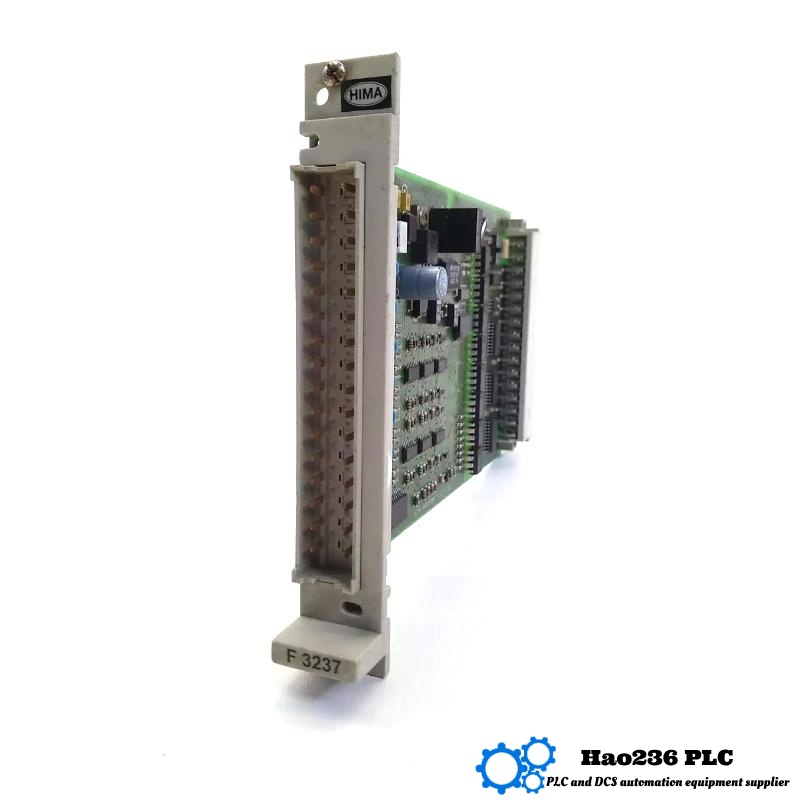
Below are ten common questions (Q) and answers (A) about HIMA F3237, in clear format:
Q1: What kind of sensors can be connected to F3237?
A1: NAMUR proximity switches and resistor‑wired sensors compliant with DIN 19234.
Q2: What happens in case of wire break in the sensor line?
A2: The module detects wire break (below the threshold of ≤ 0.28 mA) and triggers a diagnostic/fault condition.
Q3: What is the threshold for short‑circuit detection?
A3: If input current exceeds ~ 6.5 mA, the module recognises this as a short‑circuit condition.
Q4: What response time can be expected?
A4: Approximately 10 milliseconds from input change to detection / module reaction.
Q5: What are the operating voltage / supply requirements?
A5: The module uses ~ 8.2 V DC for sensor supply; main supply also may include 24 V DC. Power consumption is ~ 90 mA at 5 V, ~ 170 mA at 24 V.
Q6: What is the operating temperature range?
A6: Regular specified range is about 0 °C to +50 °C; storage from −40 °C to +85 °C.
Q7: How many input channels does F3237 support?
A7: It supports 8 digital input channels.
Q8: Can it detect cross‑talk between channels?
A8: Yes. It includes diagnostics for cross‑talk of the input circuits and ensures channels do not interfere.
Q9: What is the line impedance and its significance?
A9: ≤ 50 Ω per the DIN 19234 standard; if impedance is too high, signals may degrade or diagnostics may be less accurate.
Q10: What is the module’s physical size and weight?
A10: Approximate dimensions are 110 mm × 30 mm × 120 mm, and weight about 0.25 kg.
Related Products
Copyright @ 2026 Automations
XML|Links:
No:77501