FAQ (10 Q&A)
Q1: What voltage does the F8621A module use?
A1: It operates on 5 V DC in most versions, as a communication coprocessor module.
Q2: What safety standard is F8621A certified to?
A2: It is certified to SIL 3 under functional safety standards (IEC 61508).
Q3: What are its dimensions and weight?
A3: Typical dimensions are 120 mm × 80 mm × 30 mm, and weight is about 0.20 kg.
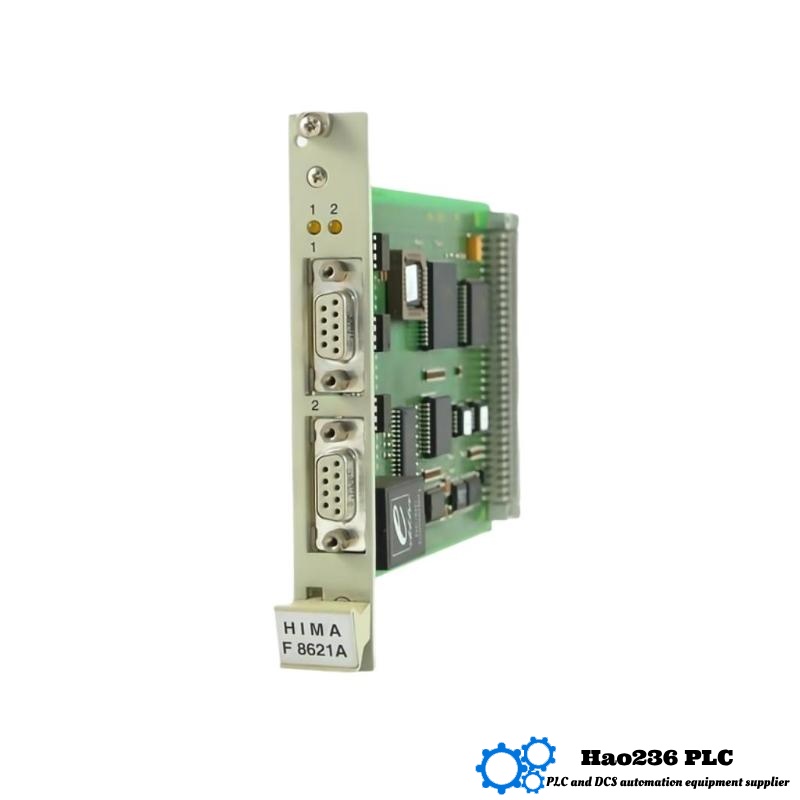
Q4: What communication interfaces does it have?
A4: It has 2 RS‑485 half‑duplex interfaces with galvanic isolation. Baud rates configurable via DIP switches.
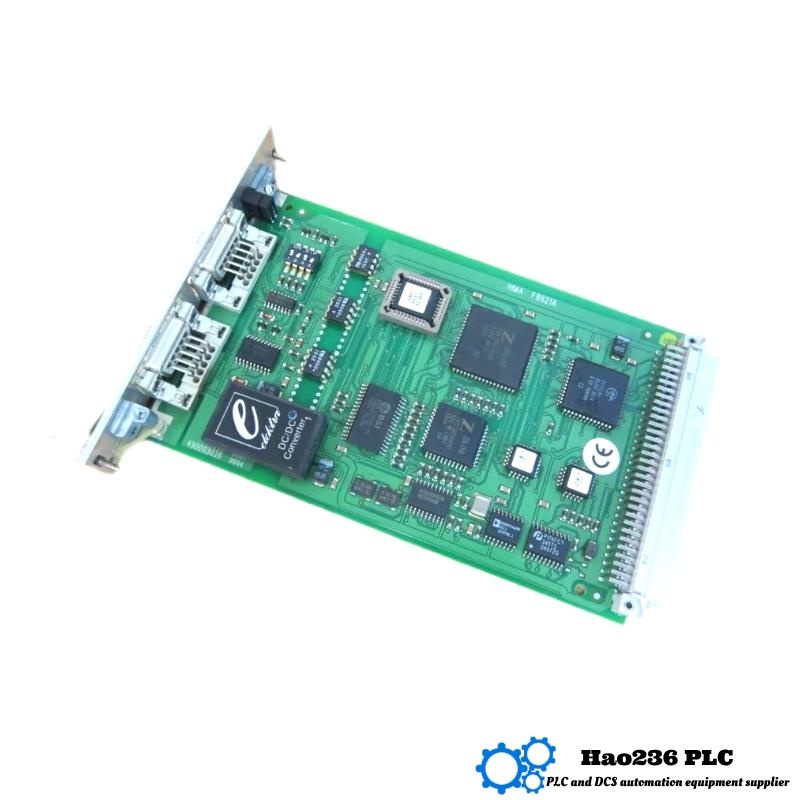
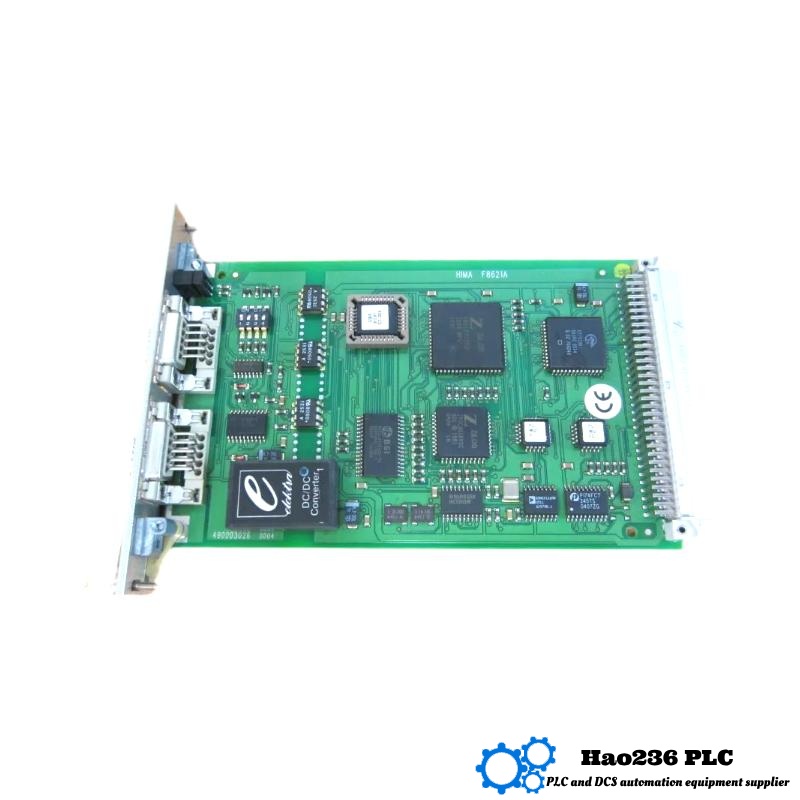
Q5: Does it have its own processor and memory?
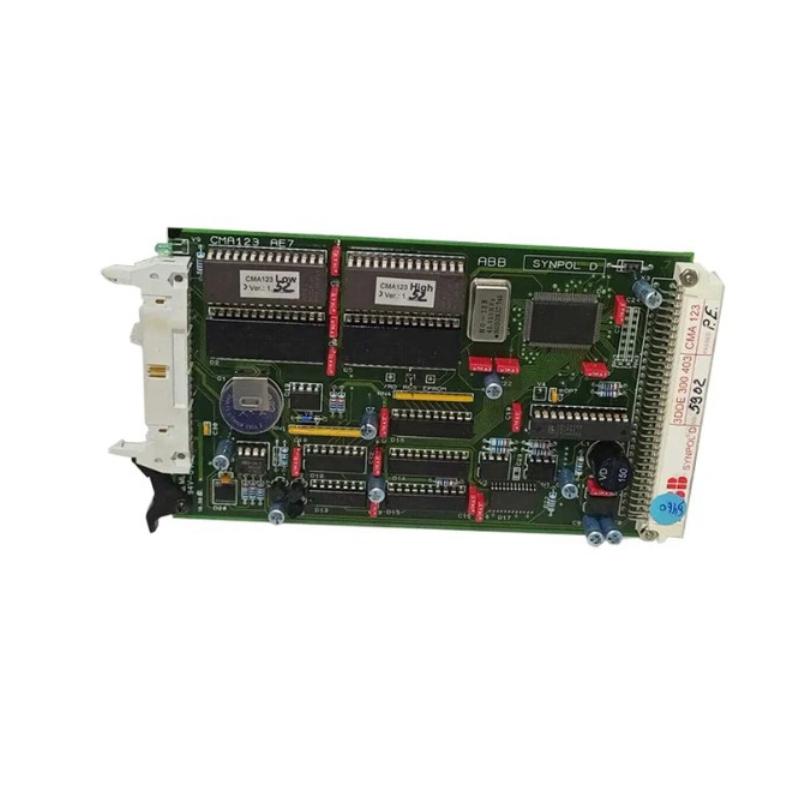
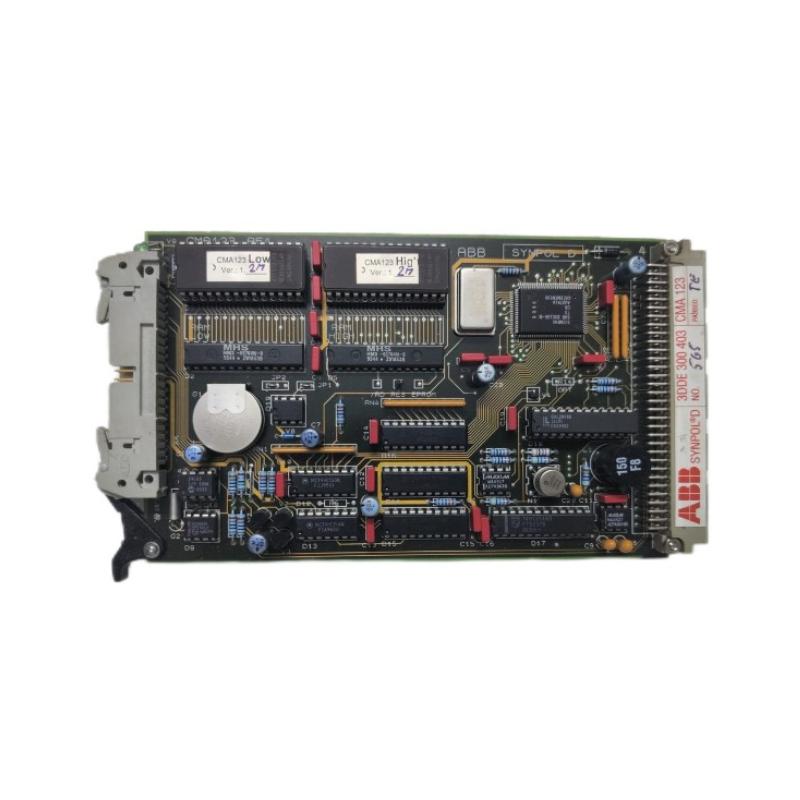
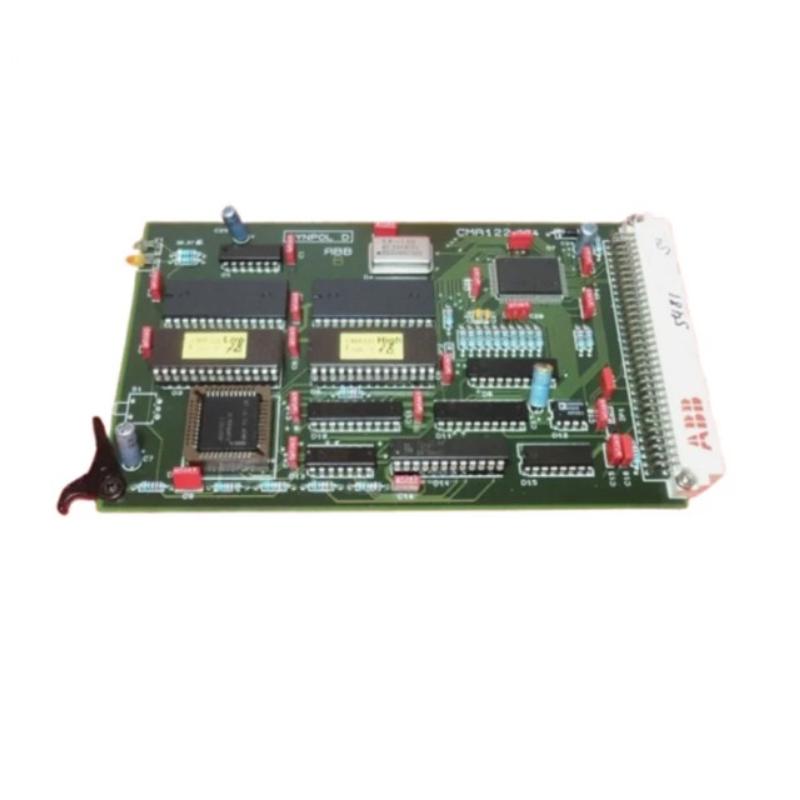
A5: Yes, it uses the HD 64180 microprocessor (10 MHz), with about 384 KB static memory (CMOS‑RAM + EPROM) and dual‑port RAM.
Q6: Is this module hot‑swappable?
A6: It typically resides in a safety rack; whether hot‑swap is supported depends on the overall system architecture; in many safety systems some communication modules are replaceable under certain conditions.
Q7: What is its typical operating temperature range?
A7: Approximately −20 °C to +60 °C; storage up to −40 °C to +85 °C in many listings.
Q8: What diagnostics does it provide?
A8: It offers galvanic isolation, open/short detection, monitoring of communication health, LED indicators, and fault signalling.
Q9: In what industries is F8621A commonly used?
A9: Oil & gas, chemical plants, power generation, process safety, and any environment needing reliable safety communication.
Q10: What is the benefit of using this coprocessor module instead of just using the main CPU?
A10: It offloads communication tasks, reducing load on the main CPU; improves reliability and response by having dedicated interfaces and RAM for communication; improves fault isolation; can improve system determinism and safety.
Related Products
Copyright @ 2026 Automations
XML|Links:
No:77501